What Makes a Pad Site Different from Inline Retail
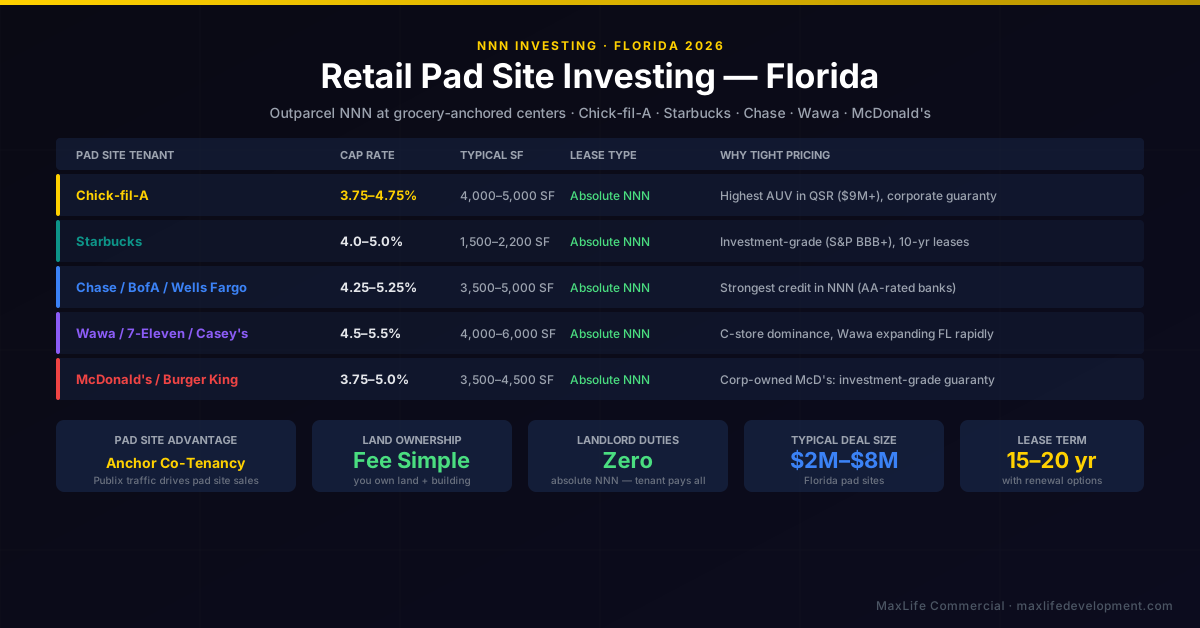
An outparcel (pad site) is a freestanding building on its own parcel, located at the perimeter of a larger shopping center. Unlike inline retail tenants who depend on foot traffic within the center, pad site tenants have direct highway visibility and drive-through access — which is why QSR chains, banks, and coffee brands prioritize outparcels over in-line space.
For the investor, the difference is structural: you own fee simple land and building. The tenant operates under an absolute NNN lease — they pay property taxes, insurance, and all maintenance including roof and structure. The landlord collects checks and does nothing else.
Pad Site Cap Rates by Tenant — Florida 2026
Chick-fil-A
Starbucks
Chase / BofA / Wells Fargo
Wawa / 7-Eleven / Casey's
McDonald's / Burger King
The Publix Co-Tenancy Advantage
Florida is Publix country. With 800+ stores and the highest customer loyalty scores of any grocery chain in the US, a Publix-anchored center generates 25,000–50,000 weekly visits. Every pad site at that center — the Starbucks, the Chick-fil-A, the Chase branch — captures a portion of that captive customer flow.
This co-tenancy is why pad site tenants compete intensely for outparcel locations at grocery-anchored centers. It's also why investors accept 3.75–5.0% cap rates: the traffic-driven performance of these tenants makes default risk negligible, and the investment-grade guarantees make it genuinely bond-like.
The Florida Pad Site Formula
Publix anchor + high-traffic corner + investment-grade tenant + absolute NNN lease = the closest thing to passive income in commercial real estate. The tradeoff is price — the market knows this, and it's priced accordingly at 3.75–5.5%.
Wawa: Florida's Fastest-Growing Pad Site Tenant
Wawa is executing an aggressive Florida expansion plan, opening 50+ locations per year across the state. Their stores are larger (4,000–6,000 SF) than traditional convenience stores, serving as destination locations with fresh food, fuel, and high transaction volume. Wawa's PE-backed expansion creates consistent new NNN inventory at 4.5–5.5% cap rates.
For investors seeking a credit-tenant pad site with more cap rate than a Starbucks or bank branch — but a similarly irreplaceable location — Wawa is one of the most compelling options in Florida NNN today.
Free Consultation
Looking for a Florida CRE Property?
MaxLife Commercial brokers NNN, industrial, retail, and multifamily deals across Central Florida. Tell us your criteria and we'll match you with qualified properties.
Contact Us →Pad Site Underwriting Checklist
Frequently Asked Questions
How do I find retail pad site deals in Florida?
Most high-quality pad sites trade via NNN broker networks — not LoopNet. Chick-fil-A, Starbucks, and bank pad sites are actively marketed by NNN-specialist brokers and often change hands before public listing. Build a relationship with a Florida NNN broker who has direct relationships with major QSR and bank real estate teams.
Are pad sites good 1031 exchange replacement properties?
Yes — they're one of the most popular 1031 replacement categories. The zero-management absolute NNN structure suits sellers of active assets (apartments, shopping centers) who want a passive hold. The 45-day identification window is manageable given the active transaction market.
What's the difference between an absolute NNN and an NNN lease for pad sites?
An absolute NNN lease places all obligations — including roof, structure, and parking lot — on the tenant. A standard NNN lease may reserve roof and structure responsibility for the landlord. Most major brand pad sites (Chick-fil-A, Starbucks, Wawa) use absolute NNN. Verify this in the lease before pricing the asset.
Related Articles
- Buyer GuideHow to Find NNN Properties in Florida
- MultifamilyFlorida Multifamily Investing Guide
- Strategy GuideSale-Leaseback Real Estate Florida
- FinanceCommercial Real Estate Financing Florida