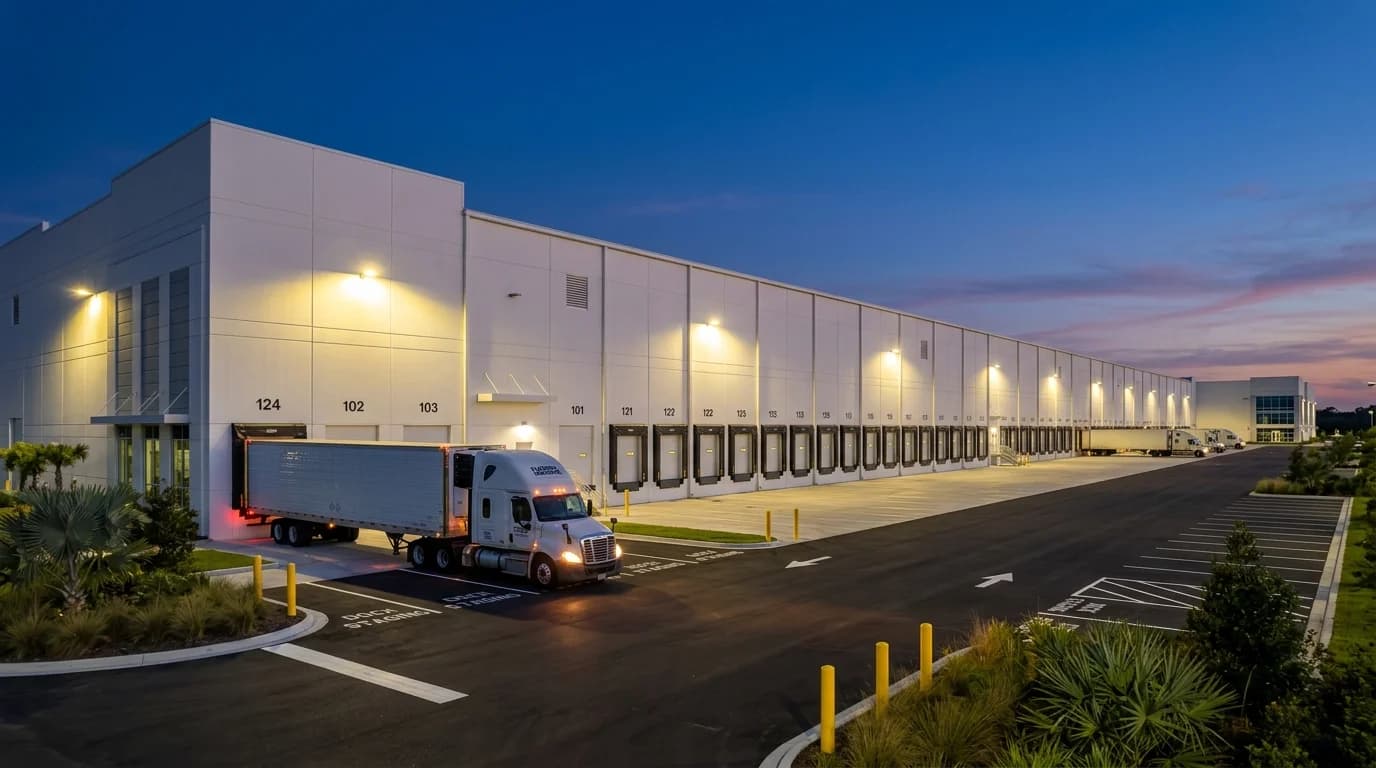
Industrial Due Diligence
Three-Phase Power for
Industrial Property
The spec that decides who can lease your building — and the one buyers check last
Clear height and dock doors get all the attention in industrial underwriting. Electrical service quietly does more damage. A building with the wrong voltage or an undersized service is disqualified from entire tenant categories before the first tour, and the fix carries a six-figure cost and a lead time measured in quarters. This guide covers what the service configurations mean, how much power each tenant type actually needs, how to verify capacity during due diligence, and what an upgrade costs in Florida.
277/480V
Standard service for modern Florida industrial
800 – 4,000A
Typical range from shell warehouse to heavy manufacturing
12 – 24 mo
Recent lead times on large transformers and switchgear
Watch the Walkthrough
Three-Phase Power in Eight Minutes
208V versus 480V, how many amps each tenant type needs, three ways to verify capacity before you underwrite, and what upgrades cost.
What Three-Phase Power Actually Is
Single-phase power — what a house runs on — delivers electricity on one alternating conductor. The voltage rises, falls to zero, reverses, and returns, 120 times a second. For lights and outlets that is invisible. For a motor, it means torque arrives in pulses.
Three-phase power delivers on three conductors, each offset by a third of a cycle. As one phase falls, another is rising, so delivered power never drops to zero. Motors run smoother, cooler, and more efficiently, and the same physical conductors carry substantially more usable power.
The practical consequence for a real estate investor is simple: most motors above roughly 5 to 7.5 horsepower are only manufactured in three-phase. Compressors, chillers, conveyors, presses, pumps, overhead cranes, and commercial HVAC are all three-phase equipment. A building without three-phase service cannot host the tenants that use them.
Reading a Service Spec
An industrial service is quoted as voltage / amperage / phase — for example 277/480V, 2,000A, 3-phase. Voltage sets how hard the power pushes, amperage sets how much flows, and the two together determine capacity.
Capacity math
kVA = Volts × Amps × 1.732 ÷ 1,000
A 480V, 1,200A three-phase service is roughly 1,000 kVA. Continuous load is generally planned at 80% of the service rating, so figure about 800 kVA usable — call it 800 kW at unity power factor. Run this before you accept that a service is “plenty.”
The Four Service Configurations You Will Encounter
Two of these are what modern tenants want. Two are what you inherit in older buildings.
| Service | Found In | Typical Size | What It Means |
|---|---|---|---|
| 120/208V Wye | Small-bay flex, light commercial, older multi-tenant parks | Typically 200 – 800A | Powers standard 120V outlets directly off the same service. Fine for offices, shops, and light assembly — but capacity runs out fast and large motors need step-up equipment. |
| 277/480V Wye | Modern warehouse, distribution, manufacturing, cold storage | Typically 800 – 4,000A | The industrial standard. Drives large motors natively, runs high-bay lighting at 277V, and delivers ~2.3x the kVA of 208V at the same amperage. Requires step-down transformers for 120V receptacles. |
| 480V Delta (3-wire) | Older manufacturing plants, pure motor loads | Varies widely | Ungrounded or corner-grounded legacy configuration serving motor loads only. Workable, but modern tenants usually want a wye service for lighting and controls. |
| 120/240V High-Leg Delta | Pre-1980s buildings, legacy shops | Typically 200 – 600A | Obsolete four-wire configuration with one 208V-to-ground 'wild leg.' Most utilities no longer install it and some will not extend it. Treat as a replacement item, not a usable spec. |
How Much Power Each Tenant Type Needs
Planning ranges for underwriting. Actual requirements depend on the specific equipment list — always ask the tenant for a connected load summary.
| Use | Typical Service | What Drives the Load |
|---|---|---|
| Shell distribution warehouse | 800 – 1,200A @ 480V | LED high-bay lighting, dock levelers, HVAC for the office front |
| Last-mile / parcel sortation | 1,200 – 2,000A @ 480V | Conveyor and sortation systems, battery charging for fleet equipment |
| Light manufacturing / assembly | 1,200 – 2,000A @ 480V | Machine tools, compressed air, process ventilation |
| Food processing | 2,000 – 4,000A @ 480V | Refrigeration, sanitation systems, process equipment running near-continuously |
| Cold storage / freezer | 2,000 – 4,000A @ 480V | Compressor plant dominates the load; freezer space draws far more than cooler space |
| Heavy fabrication / metalworking | 2,500 – 4,000A+ @ 480V | Welders, furnaces, presses, overhead cranes — high peak demand and poor power factor |
| Flex / R&D | 400 – 800A @ 208V or 480V | Office-heavy load with modest shop or lab equipment behind it |
| Fleet EV charging yard | 2,000A+ @ 480V, often more | Each DC fast charger can draw 150–350kW; a small fleet can exceed the entire building's base load |
Note the pattern: the buildings that look identical from the street — two 120,000 SF boxes with 32' clear — can differ by a factor of four in electrical service. That difference is the whole tenant pool.
Verifying Capacity During Due Diligence
“Three-phase available” on a flyer is a marketing claim, not a spec. Here is how to convert it into a fact.
01
Photograph the main switchgear nameplate
The nameplate states the service size, voltage, and phase configuration as installed. This is the single fastest way to confirm what the building actually has versus what the flyer claims.
02
Pull the panel schedule and check spare capacity
A 2,000A service with every breaker position filled and 1,900A of connected load has no room for a new tenant's equipment. Installed capacity and available capacity are different numbers.
03
Request a will-serve or load letter from the utility
This is the utility confirming in writing what it can deliver to that meter. Ask specifically whether the constraint is at the transformer, the feeder, or the substation — the answer changes the cost by an order of magnitude.
04
Confirm the serving utility by parcel
Territory boundaries in Central Florida do not follow municipal lines. Verify whether the site is Duke, FPL, OUC, KUA, Lakeland Electric, TECO, or a co-op before you make any capacity assumption.
05
Check whether the transformer is utility-owned or customer-owned
Customer-owned transformers become the buyer's maintenance and replacement liability. A failed pad-mount is a six-figure surprise with a long lead time attached.
06
Order an electrical capacity study if the deal depends on power
For manufacturing, cold storage, or any conversion play, an electrical engineer's study is cheap insurance relative to discovering the constraint after closing.
07
Ask what the outgoing tenant installed and can remove
Tenant-installed switchgear, bus duct, and transformers are sometimes classified as trade fixtures. Confirm in the lease and the purchase agreement what conveys.
Red Flags That Should Reprice the Deal
- ▸Listing says '3-phase available' — meaning it runs on the street, not into the building. Extending it is the buyer's cost.
- ▸Single-phase service only in an industrial-zoned building. Rules out most manufacturing, cold storage, and shop tenants.
- ▸120/240V high-leg delta service. Obsolete, hard to serve, and effectively a full replacement.
- ▸Service size adequate but the feeder is constrained. The utility can hit the meter but cannot deliver more without a system upgrade.
- ▸Panel schedule near full with no room for expansion. Common in older multi-tenant flex parks where units were added over time.
- ▸No documented capacity beyond a broker's verbal. Get it in writing from the utility or assume it is wrong.
- ▸Customer-owned transformer with no maintenance history. Age, oil testing, and PCB status all matter.
- ▸Power-hungry conversion thesis with no utility application started. The equipment lead time alone can break the pro forma.
What an Upgrade Costs — and How Long It Takes
Planning ranges for underwriting, not quotes. Every utility prices site-specific, and the spread between a straightforward service upgrade and a feeder extension is enormous.
$50K – $250K
Upsizing an existing three-phase service
New switchgear, larger transformer, service conductors, and the electrical permit. Assumes the utility has capacity on the existing feeder.
$150K – $500K+
Extending three-phase to a building without it
Distribution extension, new transformers, poles or underground conduit, and full building-side distribution. Cost scales with distance to the nearest three-phase line.
$1M+
Anything requiring new substation capacity
Large-load interconnections — cold storage campuses, data centers, fleet charging — can trigger substation or transmission work with multi-year schedules.
Contribution in Aid of Construction
Utilities fund infrastructure against expected revenue from the load. If your project's projected consumption does not justify the capital, the utility charges the shortfall as a contribution in aid of construction — a CIAC payment, usually due before construction starts. A speculative building with no signed tenant frequently pays more CIAC than the same building with an executed lease demonstrating load, which is a real argument for sequencing the lease before the upgrade.
The Schedule Is the Bigger Risk
Utility engineering and design typically runs 2–4 months. The binding constraint is equipment: large pad-mounted transformers and switchgear have carried lead times of roughly 12–24 months since the 2021 supply chain disruption, and demand from data centers and electrification has kept them extended. A pro forma that assumes power in 90 days is not a pro forma. Submit the utility application during due diligence, not after closing.
Who Serves Your Site in Florida
Central Florida service territory is unusually fragmented, and boundaries do not follow city or county lines. Confirm the serving utility by parcel before relying on any capacity assumption.
Duke Energy Florida
Much of Orange, Seminole, Lake, Volusia, Polk, and the northern I-4 corridor
Large-load and economic development teams handle industrial interconnection. Start with an application for service to trigger the capacity study.
Florida Power & Light (FPL)
Brevard, most of Osceola outside Kissimmee, and much of South and coastal Florida
Runs a dedicated commercial and industrial account structure. Ask about the feeder, not just the meter, when confirming capacity.
Orlando Utilities Commission (OUC)
City of Orlando and portions of Orange and Osceola
Municipal utility — often faster on engineering response than the investor-owned utilities for in-territory industrial sites.
Kissimmee Utility Authority (KUA)
Kissimmee and surrounding Osceola County areas
Serves the Kissimmee industrial corridor. Territory interleaves with FPL, so confirm by parcel.
Tampa Electric (TECO)
Hillsborough and portions of Polk, Pasco, and Pinellas
Serves the western end of the I-4 industrial corridor and the Tampa port distribution market.
Lakeland Electric, JEA, and rural co-ops
Lakeland; Jacksonville metro; SECO Energy and Clay Electric in rural Lake, Sumter, and North Florida
Co-op territories cover a surprising amount of developable industrial land. Capacity and CIAC policies differ meaningfully from the large utilities.
How Power Shows Up in Value
It Sets the Tenant Pool
Heavy service does not carry a clean rent premium the way clear height does. It works through demand instead. A 24'-clear building with 2,000A at 480V can compete for manufacturing, food processing, and cold storage users that a newer 32'-clear building with 400A cannot touch. When you underwrite releasing risk, the electrical service is what determines how many tenants are actually in the pool.
It Is a Form of Obsolescence
Low clear height is the obsolescence risk everyone underwrites in older industrial. Undersized power belongs in the same category and is easier to miss, because nothing about the building looks wrong. It surfaces when the vacancy runs twice as long as your model assumed.
Where It Becomes the Whole Deal
For some strategies power is not a line item, it is the thesis. Cold storage conversions, data center powered shell, indoor cultivation, and fleet charging depots all live or die on available capacity and interconnection timing. In those deals the utility will-serve letter belongs alongside the survey and the Phase I as a closing condition.
The Excess-Capacity Play
The inverse is a genuine value opportunity. Former manufacturing buildings frequently carry service far heavier than their current use requires — a legacy of the plant that vacated. Buying that capacity at a warehouse price and re-tenanting to a power-intensive user is one of the more durable value-add angles in Florida industrial.
Three-Phase Power FAQ
What is three-phase power, and why do industrial buildings need it?
Three-phase power delivers electricity over three alternating conductors offset from each other, so power flows continuously instead of pulsing to zero 120 times a second the way single-phase does. That matters because motors — compressors, air handlers, conveyors, presses, pumps, lifts — run smoother, cooler, and more efficiently on three-phase, and most motors above roughly 5 to 7.5 horsepower are only manufactured in three-phase. A building without it is limited to office, light retail, and storage uses.
What is the difference between 120/208V and 277/480V three-phase?
Both are three-phase wye services; the difference is voltage, and voltage determines how much power a given amperage delivers. 120/208V is common in small-bay flex and light commercial — it powers standard outlets directly but tops out quickly. 277/480V is the standard for modern warehouse and manufacturing: at the same amperage it delivers roughly 2.3x the capacity, drives large motors natively, and runs high-bay lighting at 277V. A 277/480V building serves a far wider tenant pool.
How many amps does a warehouse need?
It depends entirely on what happens inside. A shell distribution warehouse with LED high-bay lighting, dock equipment, and modest office runs comfortably on 800–1,200A at 480V. Light manufacturing typically wants 1,200–2,000A. Cold storage, heavy fabrication, and food processing routinely require 2,000–4,000A because refrigeration compressors and process equipment dominate the load. Ask what the tenant's equipment actually draws — never assume the existing service is sized for the next user.
How do I verify a building actually has the power it is advertised to have?
Three independent checks. First, read the nameplate on the main switchgear and photograph the panel schedule — that tells you the service size installed. Second, request the utility's service record and a will-serve or load letter confirming what capacity is available at that meter and on that feeder. Third, if the deal depends on power, pay an electrical engineer for a capacity study. A listing that says '3-phase available' may mean it runs down the street, not into the building.
What does it cost to bring three-phase power to a building that does not have it?
Planning ranges only, because every utility quotes site-specific: upgrading an existing three-phase service to a larger one commonly runs $50,000–$250,000. Extending three-phase distribution to a building that has none — new transformers, poles or conduit, possibly a feeder extension — commonly runs $150,000–$500,000+, and a project needing new substation capacity can reach seven figures. Utilities often charge a contribution in aid of construction (CIAC) for the portion not covered by expected revenue. Get a written estimate before you underwrite it.
How long does a power upgrade take in Florida?
Longer than most buyers expect. Utility engineering and design typically runs 2–4 months, and equipment is the real constraint — large pad-mounted transformers and switchgear have carried lead times of roughly 12–24 months since the 2021 supply disruption, and heavy data center and electrification demand has kept them extended. Build the lead time into your lease-up assumptions, and start the utility application during due diligence rather than after closing.
Which Florida utility serves my industrial site?
Central Florida is fragmented. Duke Energy Florida covers much of Orange, Seminole, Lake, Volusia, and Polk. FPL covers Brevard, Osceola outside Kissimmee, and much of South Florida. Municipal utilities — OUC in Orlando, KUA in Kissimmee, Lakeland Electric — serve their own territories, and rural co-ops like SECO Energy cover Lake and Sumter. Territory boundaries do not follow city limits, so confirm the serving utility by parcel before you rely on any capacity assumption.
Does three-phase power actually add value to an industrial building?
Yes, through the tenant pool. Heavy service does not command a line-item rent premium the way clear height does, but it determines who can occupy the building at all. A 24-foot-clear building with 2,000A at 480V can chase manufacturing, food processing, and cold storage tenants that a 32-foot-clear building with 400A cannot. Under-powered buildings re-lease slowly and sell at wider cap rates because half the demand pool is disqualified before the tour.
Live Listings Mentioning Heavy Power
Live Stellar and Space Coast MLS inventory whose remarks mention heavy electrical service.
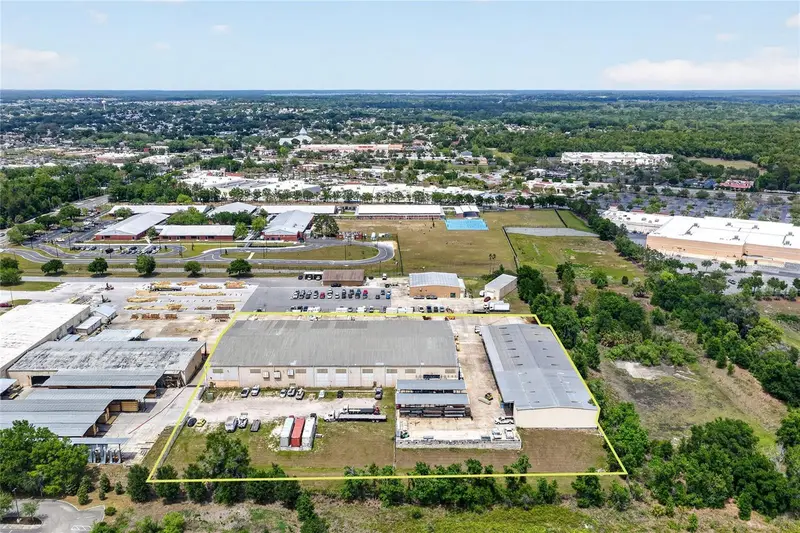
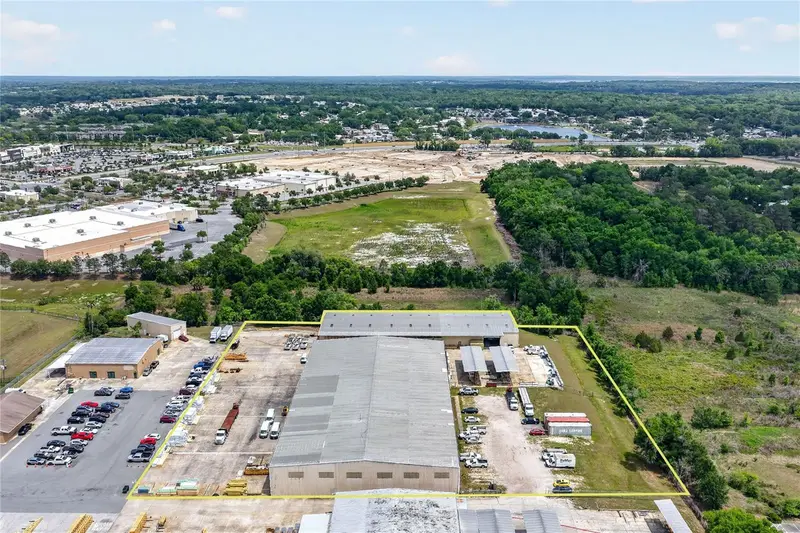

$6.95M
722 Duck Lake Rd
Lady Lake, FL 32159
4.53 ac · Built 1987
Villages Indust Center
MLS #G5111353, GRIZZARD COMMERCIAL REALESTATE.
Listing provided by Stellar MLS
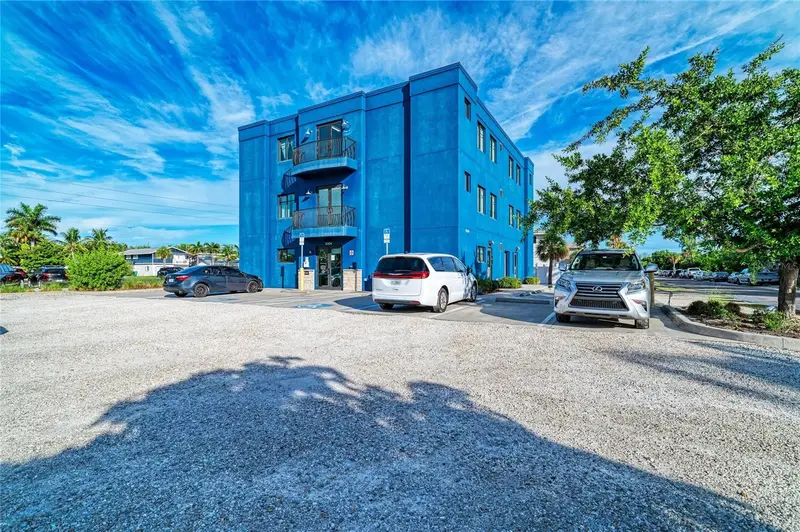
$4.92M
3004 Avenue C
Holmes Beach, FL 34217
8,574 SF · 0.34 ac · Built 2017
Ilexhurst
MLS #A4708163, ISLAND REAL ESTATE-ANNA MARIA.
Listing provided by Stellar MLS
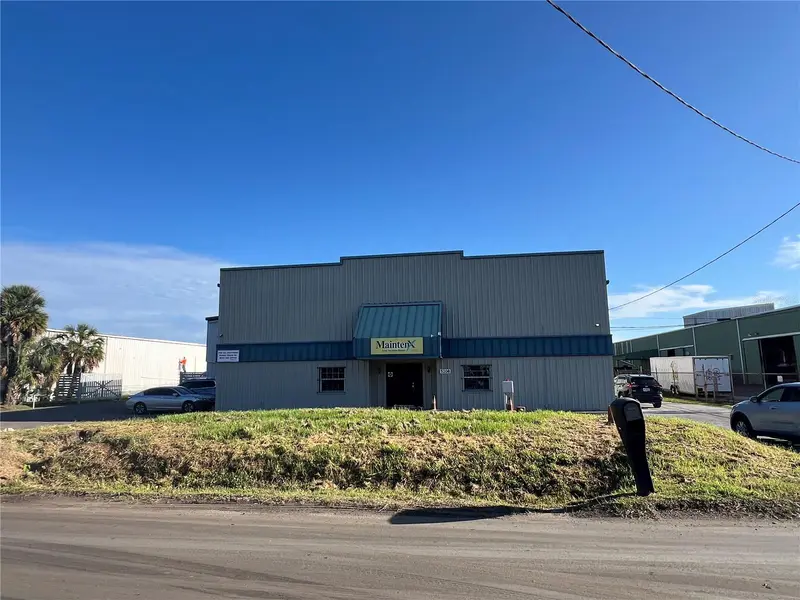
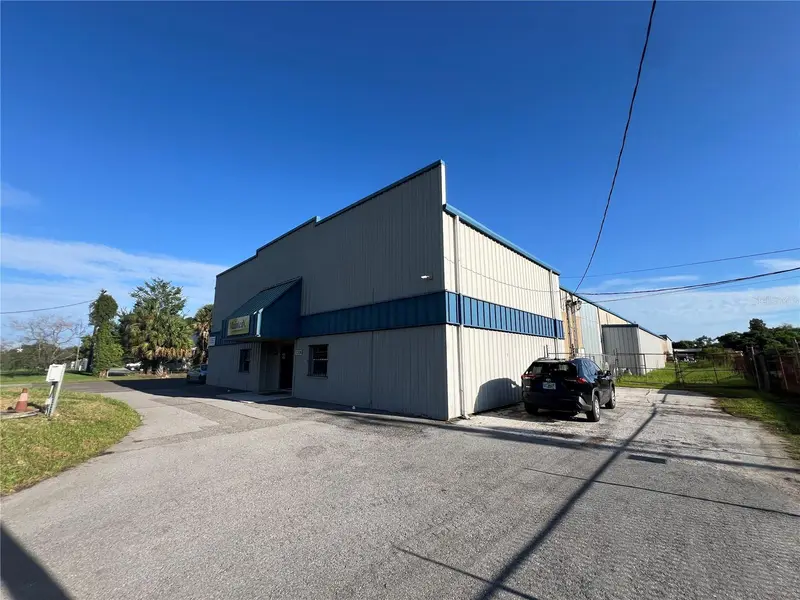
$4.89M
5208 Saint Paul St
Tampa, FL 33619
51,599 SF · 2.14 ac · Built 1979
South Tampa Sub
MLS #T3546015, BAY STREET COMMERCIAL LLC.
Listing provided by Stellar MLS
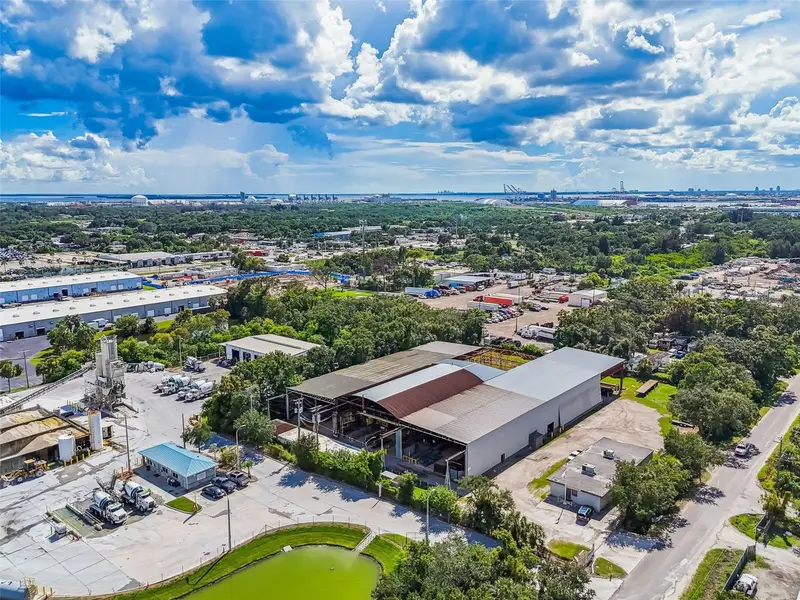
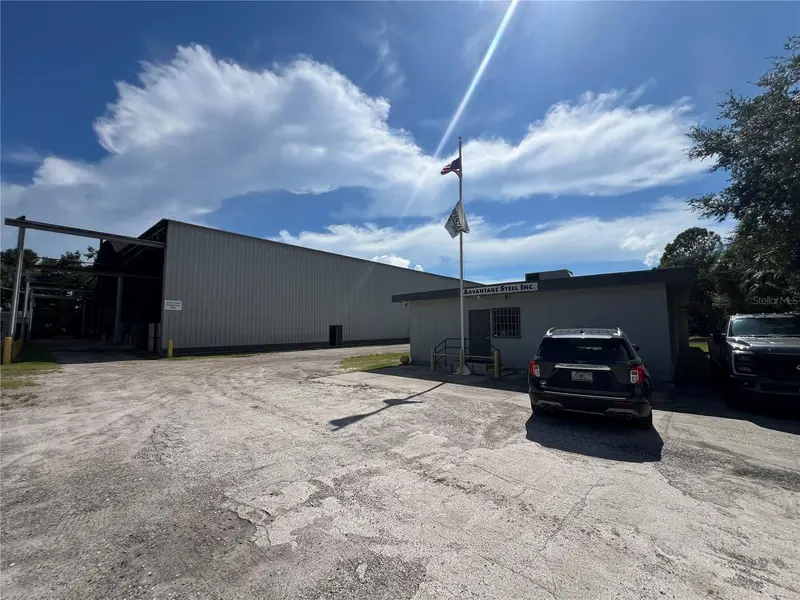
$4.00M
5101 24th Ave S
Tampa, FL 33619
42,594 SF · 2.31 ac · Built 1965
South Tampa Sub
MLS #TB8426427, BAY STREET COMMERCIAL LLC.
Listing provided by Stellar MLS
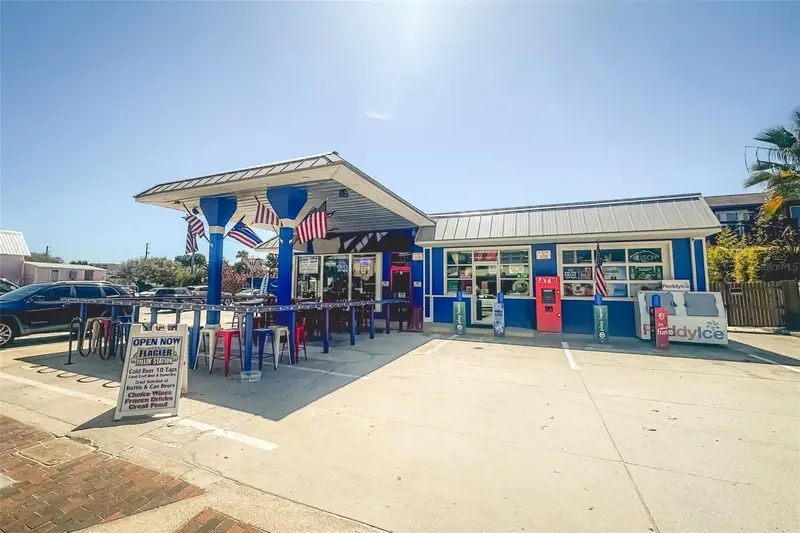
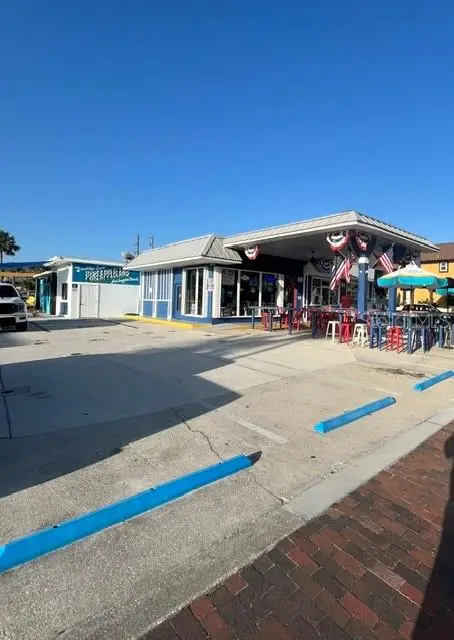
$3.50M
323 Flagler Ave
New Smyrna Beach, FL 32169
2,485 SF · 0.25 ac · Built 1952
New Smyrna Brg&Inv Co
MLS #NS1088705, HAROLD PJ WARNER LLC.
Listing provided by Stellar MLS
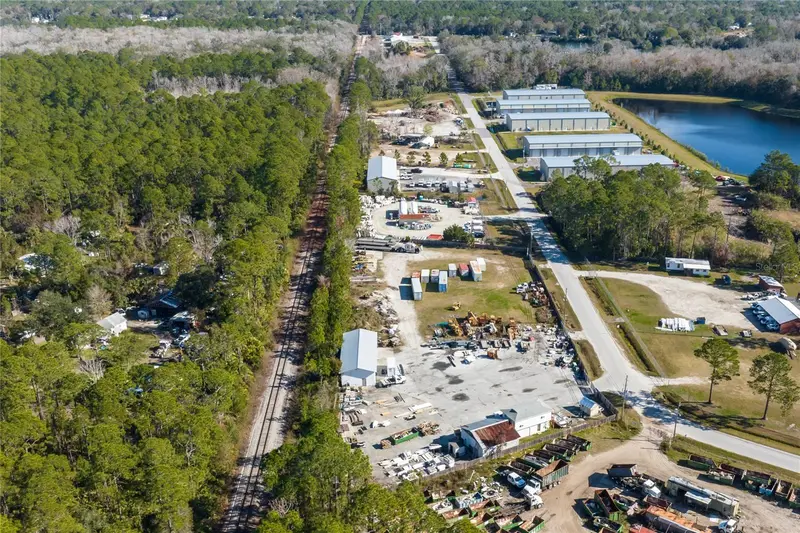
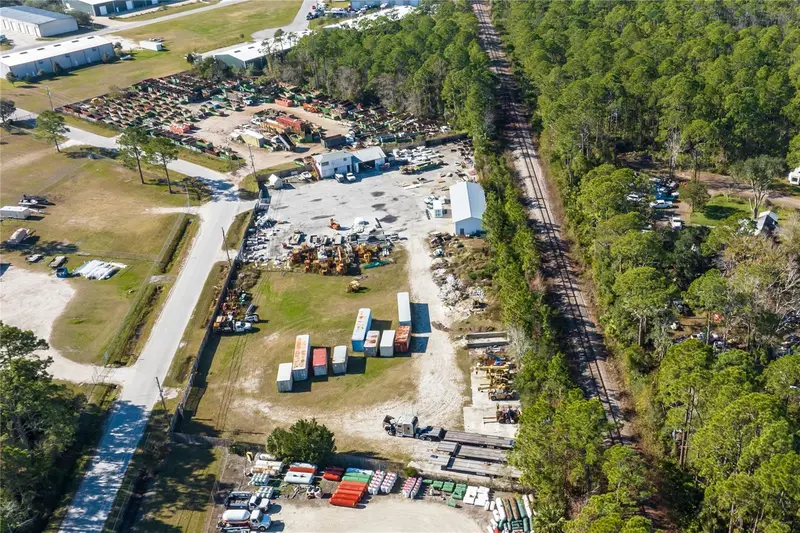
$3.20M
1570-1590 Northwood Dr
St Augustine, FL 32084
2.28 ac · Built 1985
MLS #FC306425, LIGHTHOUSE REALTY ASSOCIATES.
Listing provided by Stellar MLS
These are keyword matches on listing remarks, not verified specs. A remark saying “3 phase available” is exactly the claim this page tells you to check — confirm the service size at the switchgear and the available capacity with the serving utility before you underwrite it.
Listings courtesy of Stellar MLS as distributed by MLS GRID. Data deemed reliable but not guaranteed.
Need the Power Verified on a Deal?
Send us the address and the tenant use you have in mind. We will confirm the serving utility, pull what the building actually has, and tell you what an upgrade would realistically cost and take.
Related Resources
Industrial Properties for Sale
Warehouse, flex, cold storage, and IOS across Florida.
Manufacturing Facilities
The property type where power spec matters most.
Florida Data Centers
Where power moves from a line item to the entire thesis.
Florida Industrial Investing
The full guide to the state's strongest asset class.