Central Florida Developments
Industrial & Logistics
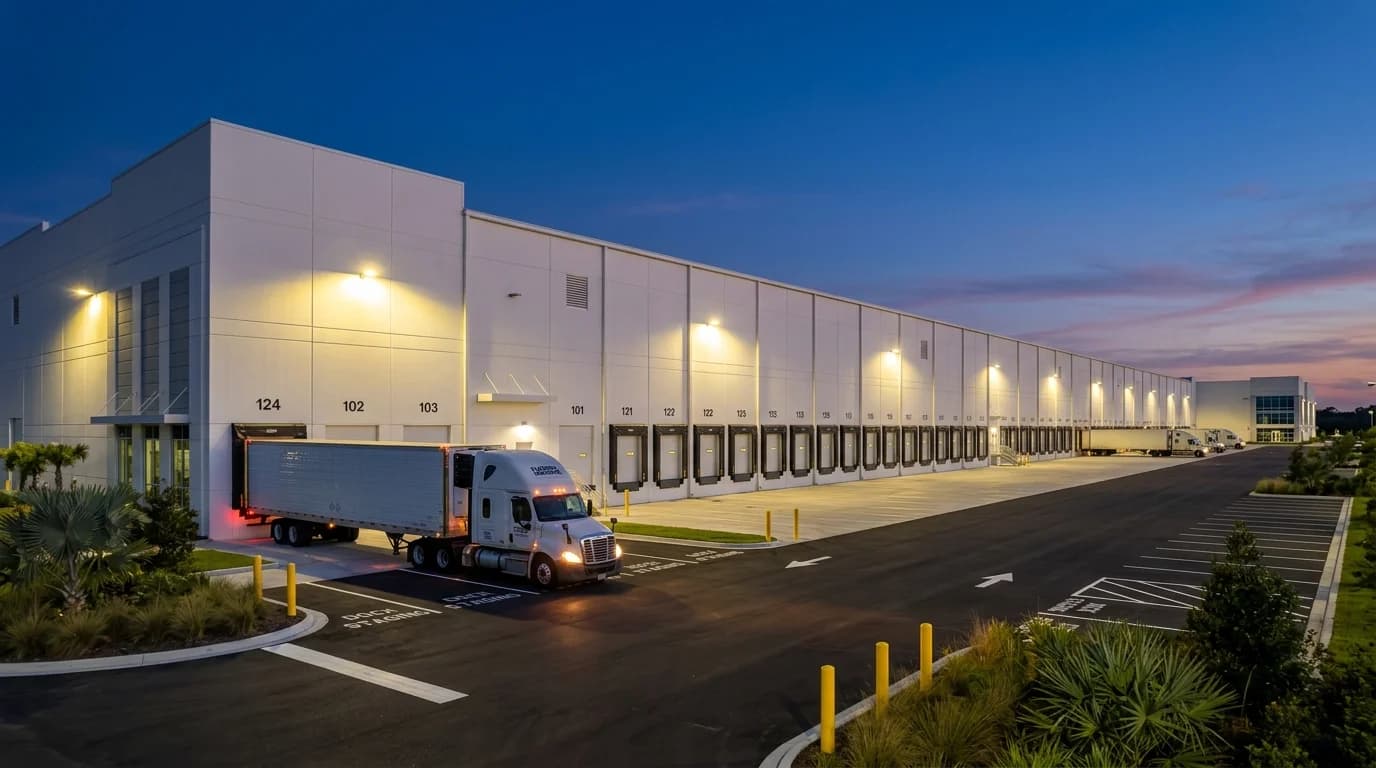
Polk County's I-4 corridor is one of the most active industrial markets in the Southeast. And it's still growing.
By Ryan Solberg, Licensed FL Real Estate Broker (BK3354351) · Updated
Industrial and logistics real estate has been the highest-performing commercial asset class nationally since 2020, and Central Florida's I-4 corridor is one of the primary beneficiaries. The geographic reality is hard to replicate: the I-4 corridor between Orlando and Tampa sits within a one-day drive of 95% of the Florida population, making it one of the most strategically located distribution hubs in the Southeast.
Polk County — anchored by Lakeland and positioned at the midpoint of I-4 between the two major Florida metros — has become a national-scale logistics hub. Amazon, FedEx, Publix, Walmart, and dozens of third-party logistics operators have built major distribution centers in the county. Land constraints are tightening, rents are rising, and the secondary markets of Osceola and Highlands counties are absorbing the overflow.
Last-mile delivery demand adds another layer: as same-day and next-day delivery become baseline consumer expectations, the demand for smaller warehouse facilities positioned inside the Orlando metro footprint has created a distinct urban infill industrial market that commands rent premiums over suburban bulk warehouses.
Key Projects
Polk County I-4 / US-27 Logistics Corridor
Lakeland, Davenport, Haines City — Polk County
Polk County's industrial corridor along I-4 and US-27 is one of the most active logistics real estate markets in Florida. The county hosts Amazon's Florida distribution network anchor, FedEx's regional sort hub, Publix's corporate distribution center, and hundreds of smaller logistics operators. Available industrial land in core Polk County submarkets has become increasingly scarce, driving rents higher and pushing new development to secondary locations in Highlands County and western Osceola. Build-to-suit demand from national tenants remains strong.
CRE Investor Impact
Existing industrial assets in Polk County are trading at cap rates that reflect the market's national recognition — 5.0–6.5% depending on lease term and tenant credit. Value-add opportunities in older vintage buildings remain available for investors willing to upgrade facilities to modern specs. Land for new development is the shortest supply.
Orlando Last-Mile Warehouse Market
Orange, Seminole, and Osceola counties
Same-day and next-day delivery requirements from Amazon, Instacart, DoorDash, and traditional retailers have created demand for smaller warehouse facilities (50,000–200,000 sq ft) positioned inside Orlando's suburban ring — close enough to population centers to enable sub-2-hour delivery windows. This last-mile demand competes directly with existing light industrial stock, driving up rents in older warehouse product that was previously considered functional obsolete. New development of last-mile facilities is occurring along SR-408, SR-528, the OBT corridor, and along US-441.
CRE Investor Impact
Last-mile warehouse properties are among the highest-rent-growth industrial assets in the market. Older light industrial buildings in the suburban Orlando ring that can be repositioned for last-mile use are significantly undervalued relative to their rental income potential. Investors with renovation capital can capture meaningful upside.
Osceola Industrial Infill Development
Kissimmee, Poinciana, St. Cloud — Osceola County
As Polk County land prices rise and Orange County industrial land becomes nearly non-existent, Osceola County has emerged as the overflow industrial submarket for Central Florida. Access to Florida's Turnpike and I-4 makes northern Osceola viable for regional distribution, while the county's lower land costs relative to Orange support new development economics. Light industrial, flex warehouse, and service commercial users — contractors, trades, equipment rental — are driving demand in Kissimmee and Poinciana corridors.
CRE Investor Impact
Osceola industrial land represents the best current value in Central Florida for industrial investors. The rent premium over Polk County is modest, but the appreciation trajectory as land constraints tighten mirrors what Polk County went through 5 years ago. Early movers in Osceola industrial have a structural advantage.
Investor Takeaway
Industrial real estate in Central Florida's I-4 corridor has structural tailwinds that show no near-term sign of reversing: population growth, e-commerce penetration, and supply chain regionalization all benefit the corridor. The highest near-term returns are in last-mile Orlando infill and Osceola County value-add — where cap rates still reflect older pricing before the full extent of the demand shift was recognized.
Frequently Asked Questions
Why is Polk County a national-scale logistics hub?
Polk sits at the midpoint of I-4 between Orlando and Tampa, within a one-day drive of roughly 95% of Florida's population, with highway connections to I-75 and I-95 and the CSX Integrated Logistics Center inland port in Winter Haven. Amazon, FedEx, Publix (headquartered in Lakeland), and dozens of 3PLs anchor the corridor.
What is last-mile warehouse space and why does it command premium rents?
Last-mile facilities are smaller warehouses (roughly 50,000–200,000 sq ft) positioned inside the metro ring so operators can hit sub-2-hour delivery windows. Because the location is the product, suitable infill sites are scarce — which pushes rents in last-mile product above comparable suburban bulk warehouse space.
Where is the best industrial value in Central Florida right now?
Osceola County infill and older light-industrial buildings in Orlando's suburban ring that can be repositioned for last-mile use. Osceola offers the corridor's lowest land basis with Turnpike and I-4 access, mirroring where Polk County was five years ago.
Sources & Further Reading
Related Resources
Live Listings Near Industrial & Logistics
Active commercial inventory along the I-4 industrial spine — live from Stellar MLS, straight through MaxLife.
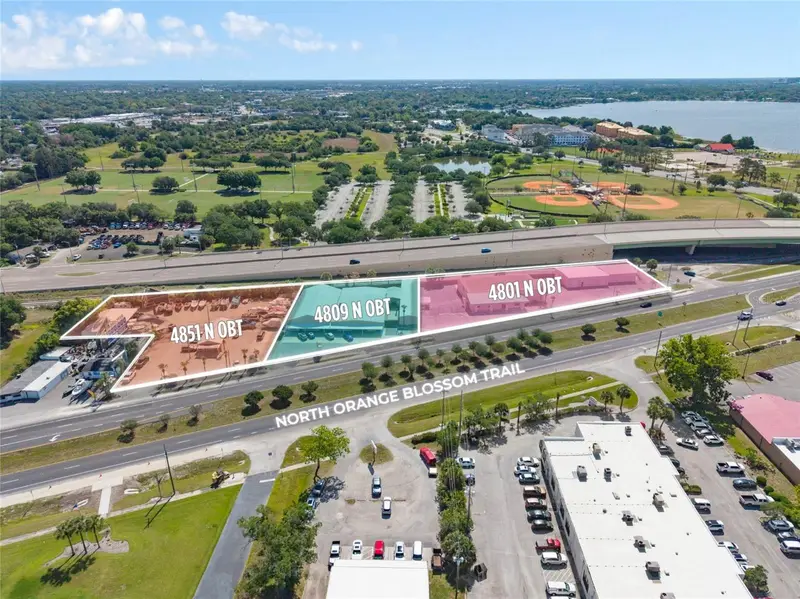

$7.50M
4809 N Orange Blossom Trl
Orlando, FL 32810
36,048 SF · 2.54 ac · Built 1960
MLS #O6418001, RE/MAX ASSURED.
Listing provided by Stellar MLS

$6.95M
1101 Albright Rd
Sanford, FL 32771
13,675 SF · 5.09 ac · Built 1985
A F G Vegetable Tr
MLS #O6437446, SLOANE REALTY, LLC.
Listing provided by Stellar MLS
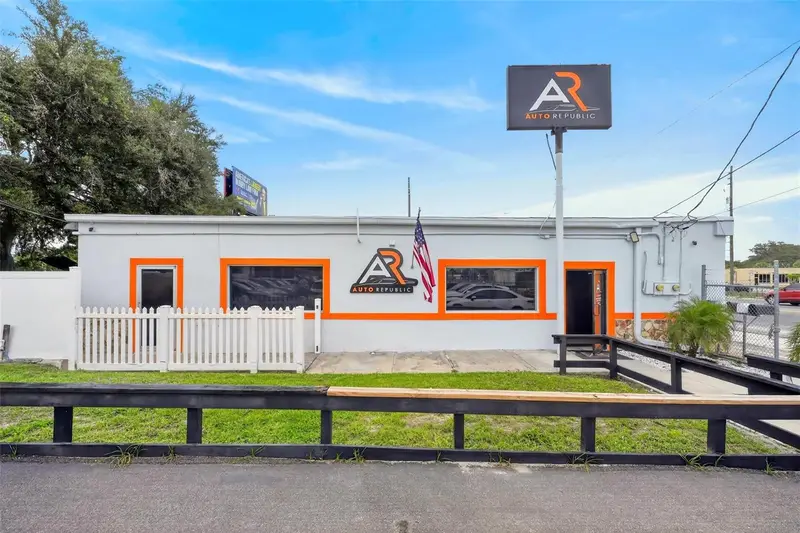
$5.00M
2906 N Orange Blossom Trl
Orlando, FL 32804
8,864 SF · 0.77 ac · Built 1946
Weissinger
MLS #O6430133, MARKET CONNECT REALTY LLC.
Listing provided by Stellar MLS

$4.50M
145 Ronning Way
Longwood, FL 32750
19,200 SF · 2.02 ac · Built 2006
Acreage & Unrec
MLS #O6117629, COMMERCIAL REAL ESTATE PROF IN.
Listing provided by Stellar MLS
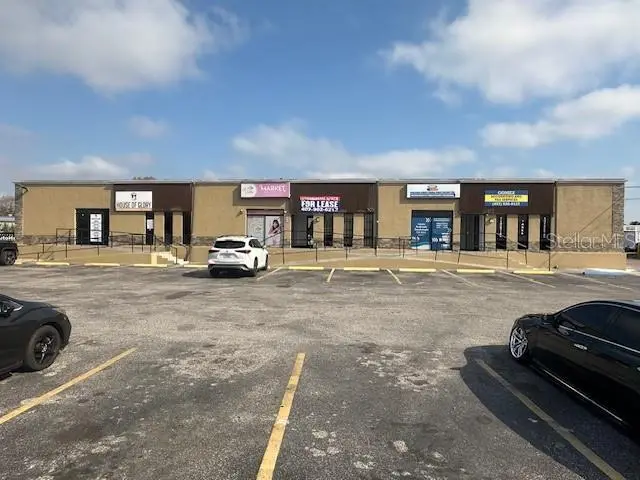
$4.50M
1011 W Lancaster Rd
Orlando, FL 32809
19,138 SF · 1.93 ac · Built 1953
Prosper Colony 22-23-29
MLS #G5062021, FORTUNE REALTY OF CLERMONT.
Listing provided by Stellar MLS
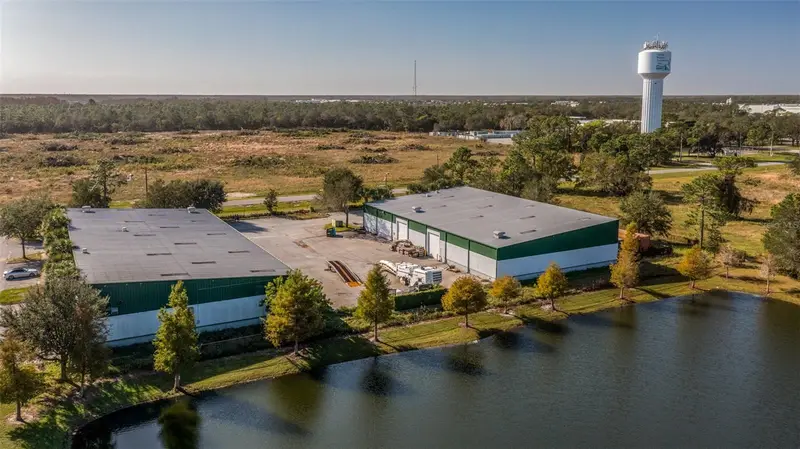
$3.95M
1770 Business Center Ln
Kissimmee, FL 34758
25,200 SF · 2.1 ac · Built 2009
Poinciana Commercenter 1
MLS #TB8482389, KELLER WILLIAMS INTERNATIONAL LIFESTYLES.
Listing provided by Stellar MLS
Listings courtesy of Stellar MLS as distributed by MLS GRID. Data deemed reliable but not guaranteed.
Want to invest in Central Florida CRE?
We source commercial real estate opportunities across the corridors and submarkets these projects are reshaping. Tell us your criteria and we'll send matching opportunities.