Motorsports Real Estate
Racetracks & Motocross Tracks in Florida
Oval tracks, road courses, drag strips, motocross tracks, and go-kart facilities — Florida leads the South in year-round motorsports
Florida is home to some of the most iconic motorsports venues in North America — Daytona International Speedway, Sebring International Raceway, Homestead-Miami Speedway, and Gainesville Raceway among them — and county governments are now actively building their own. Polk County opened Central Florida's only county-operated motocross track at Bone Valley ATV Park in November 2025. Volusia County voted 7-0 in April 2025 to purchase 356 acres on SR-44 for $4.63M to develop a motocross and off-road facility. Palm Beach County issued an RFP for a motorsports complex in 2024 after staff found no regulatory fatal flaw in the proposed site. The majority of Florida motorsports real estate, though, is privately held and changes hands off-market — spanning community motocross tracks to 400+-acre road course complexes, nearly all operating as going-concern businesses. Valuations are driven by operating income, not market cap rates. One critical pre-purchase step: every Florida county sets its own zoning standards for motorsports uses — minimum acreage, setbacks, noise requirements, and conditional use permit criteria vary dramatically county to county with no statewide uniform standard. There is no state-level operating license for motocross or racetracks (Florida's Chapter 550 covers only pari-mutuel wagering), but DEP fuel tank registration and an Environmental Resource Permit for stormwater are required at the state level. Site selection without county-specific zoning diligence is the most common and costly mistake buyers make in this category.

From the Track
Inside Florida Supercross — 450 Main Event, Orlando
Year-round riding weather and a deep grassroots fan base are exactly why Florida motocross and off-road facilities pencil. Here's the energy that fills the gates — the 450 main event under the lights in Orlando.
Typical Deal Size
$500K – $50M+
Community MX track to full road course
Common Cap Rate
8.0% – 12.0%+
Stabilized operations; many trade on revenue multiples
Avg. Land Area
20 – 400+ acres
Motocross pad to full NASCAR-style oval
Motorsports Facility Types
Florida's motorsports real estate market spans five distinct facility types, each with its own operating model, land requirement, and buyer pool.
Motocross / Off-Road Track
Gate-fee and membership-based. Year-round in Florida. Training facilities, amateur race programs, and camping add revenue layers.
Drag Strip
NHRA-affiliated and independent strips. Gainesville Raceway hosts a national event. Concessions, test-and-tune days, and bracket racing drive revenue.
Road Course
Sebring-style endurance and HPDE (high-performance driver education) venues. Revenue from track days, racing schools, club events, and professional race weekends.
Oval / Dirt Track
Weekly local oval and dirt track racing — admission, concessions, sponsorship. Community-anchored with loyal fan bases.
Go-Kart / Indoor Karting
Electric indoor karting (K1 Speed, Andretti Karting) and outdoor tracks. High-margin F&B, corporate events, and birthday parties.
Multi-Use Motorsports Park
Combined road course, drag strip, motocross, and camping on a single campus. Revenue diversification and year-round activation. Highest complexity and highest barriers to entry.
Why Florida Motorsports Real Estate
Florida has structural advantages that no northern motorsports market can match.
Year-Round Riding & Racing Weather
Florida's climate allows 12-month track operation — no winter shutdown. Northern tracks are dark 4–5 months a year, which fundamentally limits revenue and investor returns.
Largest Motorcycle Ownership Base in the South
Florida consistently ranks among the top 5 states for registered motorcycles and off-road vehicles, providing deep grassroots demand for motocross, trail riding, and track day programs.
Iconic Venue History
Daytona, Sebring, and Homestead-Miami are globally recognized brands. Regional tracks benefit from a motorsports-aware population that understands and supports local venues.
Tourism & Destination Events
Florida's tourism infrastructure supports destination race weekends, club rentals, and motorsports tourism that northern markets can't attract year-round.
Population Growth = New Riders
1,000+ people move to Florida every day. New residents from motorsports-active states (Texas, Carolinas, Midwest) bring their racing habits and equipment.
Powersports Dealer Network
Florida's dense network of Yamaha, Honda, KTM, and Polaris dealerships sustains rider pipelines for motocross and off-road tracks — a strong local feeder system.
County Governments Are Building Tracks
Polk County opened Central Florida's only county-operated motocross track (Bone Valley ATV Park's Bone Yard, November 2025). Volusia County voted 7-0 in April 2025 to purchase 356 acres for a public motocross and off-road facility. Palm Beach County issued an RFP for a motorsports complex in 2024. Public investment at this scale signals genuine, durable demand — not a niche.
Racetrack / Motocross Track Investing: Pros & Cons
Motorsports real estate rewards operators with deep industry knowledge and the patience for a going-concern acquisition.
Why Buy
Year-Round Revenue Potential
Florida's climate removes the seasonal revenue cliff that limits northern track returns. A well-run Florida track can activate 48–50 weekends a year.
High Barriers to Entry
Noise ordinances, permitting, land availability, and local opposition make new track development nearly impossible in established markets. Existing venues carry irreplaceable entitlement value.
Multiple Revenue Streams
Gate fees, memberships, track day rentals, racing schools, corporate events, camping, concessions, fuel sales, and trackside storage each contribute to total revenue.
Passionate, Sticky Community
Motorsports enthusiasts are unusually loyal — members and regulars at a well-run track return for decades and recruit others. Community-driven tracks have very low marketing costs.
Land Appreciation Optionality
Large-acreage motorsports parcels in Florida growth corridors often appreciate in underlying land value independent of track operations, providing a downside floor.
NNN Leaseback Potential
Established operators sometimes sell their real estate and lease it back on long-term NNN agreements — particularly larger go-kart chains and multi-use parks.
What to Watch
Operational Complexity
Track surface maintenance, safety infrastructure, timing systems, flagging staff, emergency services, and noise monitoring require experienced management and continuous capital.
Noise & Neighbor Opposition
Encroaching residential development is the #1 long-term threat to established tracks. Noise ordinances, HOA complaints, and political pressure have forced closures of operating venues.
Insurance & Liability
Motorsports liability insurance is specialized and expensive. Participant waivers are essential but not absolute protection. Insurance cost is a material operating line item.
Purpose-Built / Limited Reuse
Track infrastructure — pavement, barriers, timing loops, runoff areas — has very limited reuse value outside of motorsports. Repurposing depends almost entirely on land value.
Lender Conservatism
Traditional CRE lenders are often uncomfortable with motorsports operations. Expect specialty lending, higher LTV constraints, and personal guarantees from operators.
Environmental Exposure
Fuel storage, tire rubber accumulation, and oil/lubricant use on track surface and in pit areas create environmental risk. Phase I ESA is mandatory.
Who Racetrack / Motocross Track Is Best Suited For
Owner-Operators
Motorsports Veterans
Experienced motorsports professionals or serial operators acquiring a track as their operating business.
Why It Fits
The most common buyer. Track knowledge, community connections, and operator credibility are essential for success.
Land / Redevelopment Investors
Entitlement Play
Investors in high-growth Florida corridors targeting track parcels for eventual residential or commercial redevelopment.
Why It Fits
Large-acreage track land in growth paths can appreciate dramatically on a 5–10 year hold even if the track underperforms operationally.
Private Equity / Roll-Up Platforms
Portfolio Scale
PE groups aggregating go-kart, motocross, or HPDE assets into branded platforms.
Why It Fits
Indoor karting (Andretti, K1 Speed model) and multi-use parks are the most institutional-scale motorsports categories.
Hospitality & Events Groups
Destination Venues
Hospitality operators adding motorsports venues to their destination event portfolio.
Why It Fits
Corporate karting, track day programs, and branded racing experiences are growing corporate entertainment categories.
Motorsports Track Underwriting Checklist
Motorsports real estate underwriting is part CRE analysis, part going-concern business valuation.
Track Day Count & Utilization
Annual event days, gate counts, and revenue per event. Florida benchmark: well-run regional track 35–48 event weekends/year.
Membership & Season Pass Base
Recurring membership revenue is the most predictable cash flow. A stable membership base signals community health.
Noise Compliance & Permits
Review existing sound ordinance compliance history, neighbor complaint logs, and permit conditions. Future noise regulation risk is the single largest long-term threat.
Track Surface & Safety Infrastructure
Pavement condition, armco barrier and tire wall condition, run-off areas, and timing infrastructure. Deferred maintenance is expensive.
Environmental
Phase I ESA mandatory. Fuel storage tanks, pit lane contamination, and rubber accumulation are the primary risk areas.
Insurance History
Review incident history, claims, and current policy terms. Motorsports liability is specialized — understand the coverage and exclusions before closing.
County Zoning & Minimum Acreage
Every Florida county sets its own standards with no statewide uniform rule. Examples: Hillsborough County requires sports/recreation facilities to set back at least 500 feet from residentially zoned or developed property (LDC Article VI, §6.11). Marion County distinguishes motorized tracks (ATV, motocross, go-kart) from non-motorized training-only tracks — the latter are permitted in agricultural zones (A-1/A-2/A-3), while motorized uses are separately regulated. Orange County routes applications through the Board of Zoning Adjustment, which recommends to the BCC, with criteria in Chapter 38, §38-78. Brevard County has historically required significant minimum acreage for motorsports CUP approval. Pull the specific county LDC and consult a local land use attorney before making an offer on any site.
Ancillary Revenue
Concessions, fuel, trackside storage rentals, camping, and event venue income. Diversified revenue tracks hold value better through economic cycles.
Browse Live Business & Assembly Building Listings
The MLS files racetrack / motocross track under its business & assembly building class, so this is the live inventory closest to what you're after. Tell us the specifics and we'll source the rest off-market.
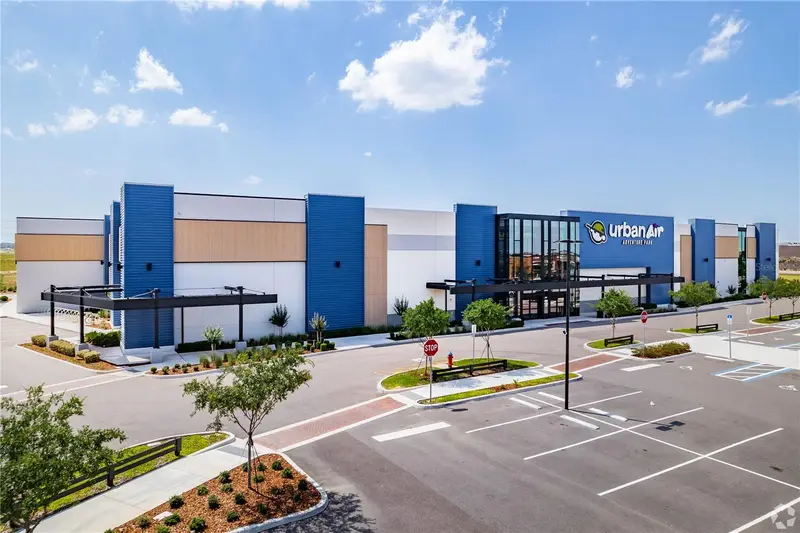
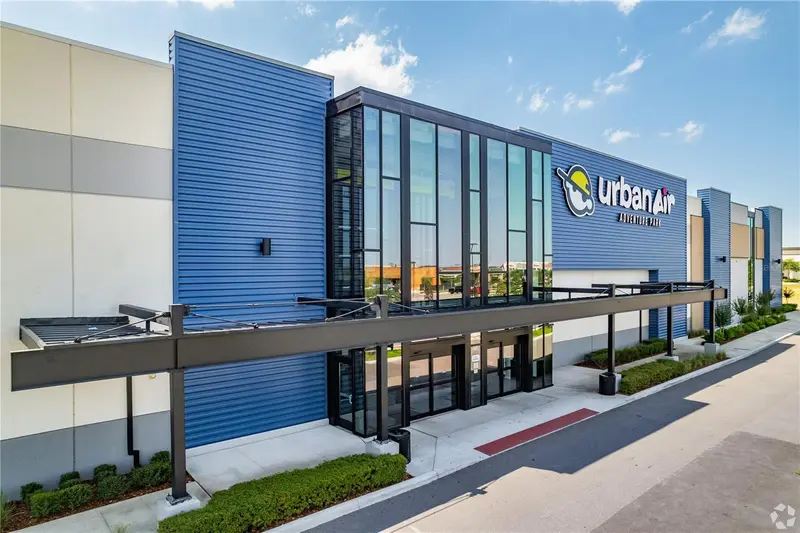

$18.90M
5758 Hamlin Groves Trl
Winter Garden, FL 34787
9.16 ac · Built 2023
Hamlin Southwest
MLS #O6386379, COLDWELL BANKER REALTY.
Listing provided by Stellar MLS
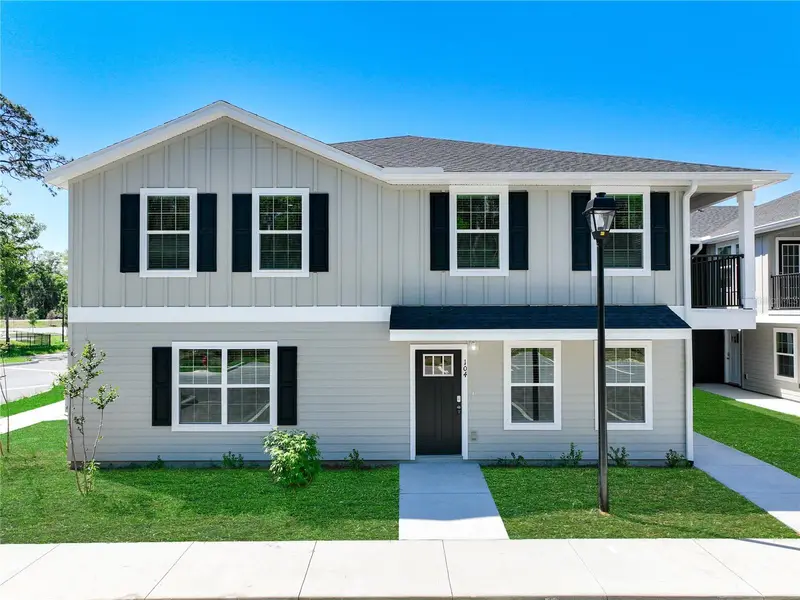
$12.50M
3821 Sw 43rd Ct
Ocala, FL 34474
7.07 ac · Built 2025
MLS #OM709317, SUNCOAST PROPERTY MANAGEMENT L.
Listing provided by Stellar MLS

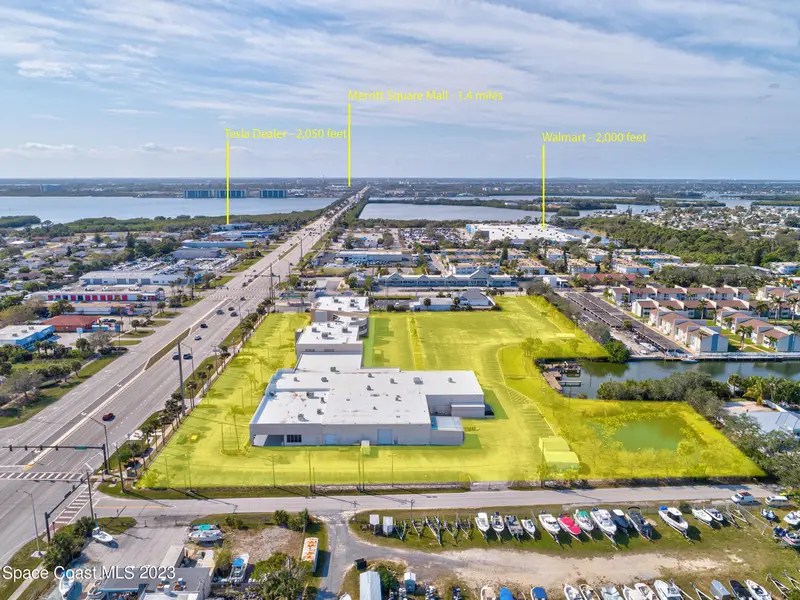
$10.00M
1850 E Merritt Island Causeway, Merritt Island, Fl 32952
Merritt Island, FL 32952
63,125 SF · 6.92 ac · Built 2003
MLS #975630, Perrone Realty, LLC.
Listing provided by Space Coast MLS (Space Coast Association of REALTORS®)
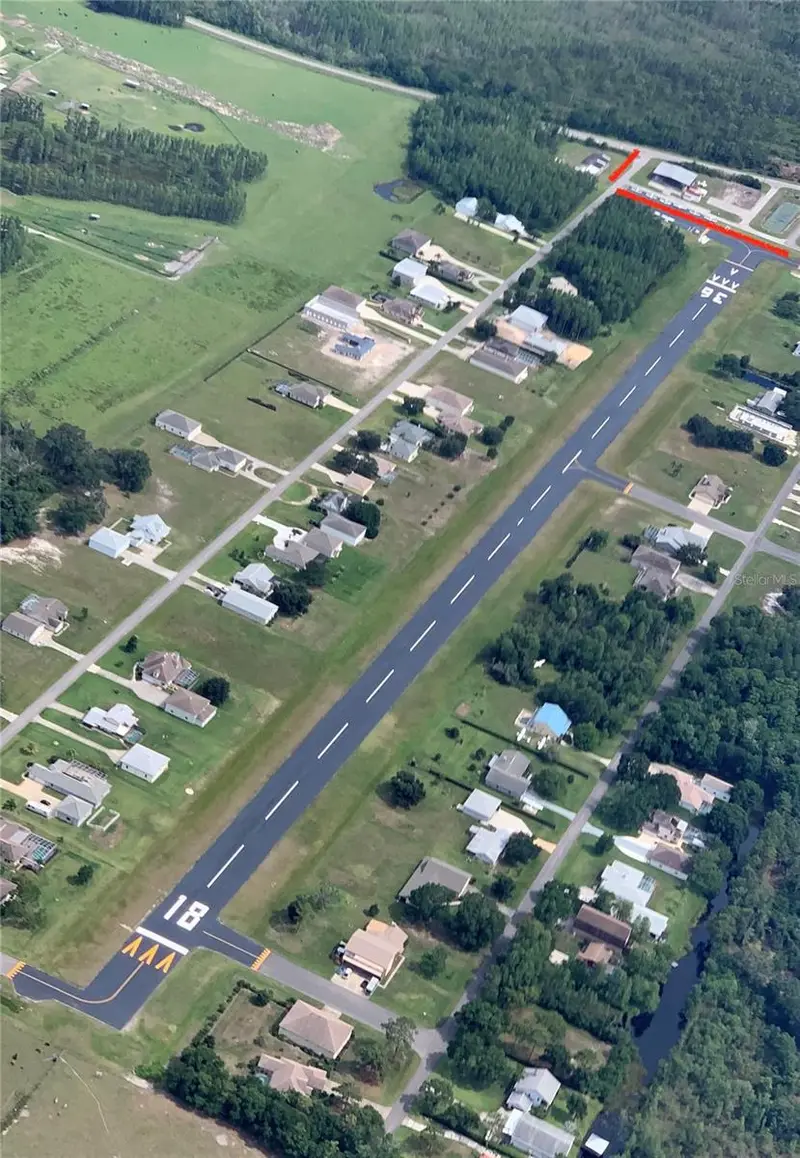
$9.90M
11500 Pilot Country Dr
Spring Hill, FL 34610
10,000 SF · 33.5 ac · Built 1998
Pilot Country Estates
MLS #TB8511456, BOB HATTON REALTY INC.
Listing provided by Stellar MLS
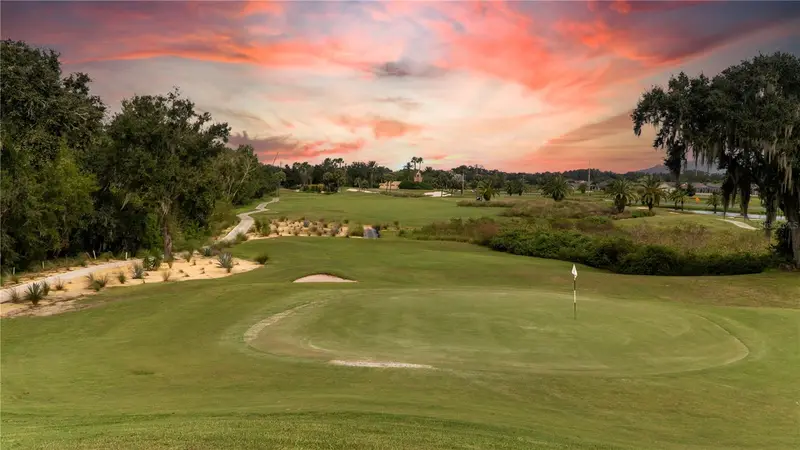
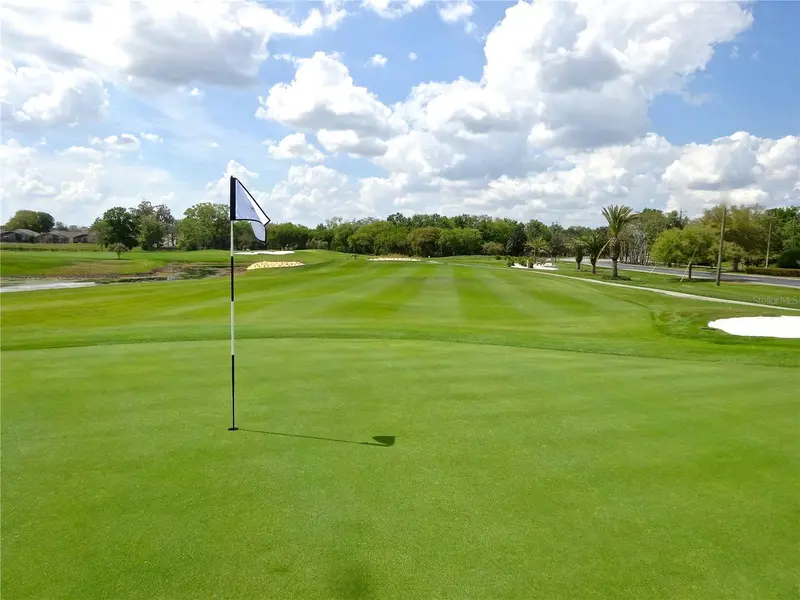
$8.72M
200 Eagle Ridge Dr
Davenport, FL 33837
3,784 SF · 202.72 ac · Built 1994
Ridgwood Lakes Village 3a
MLS #O6426961, AFFINITY REALTY LLC.
Listing provided by Stellar MLS
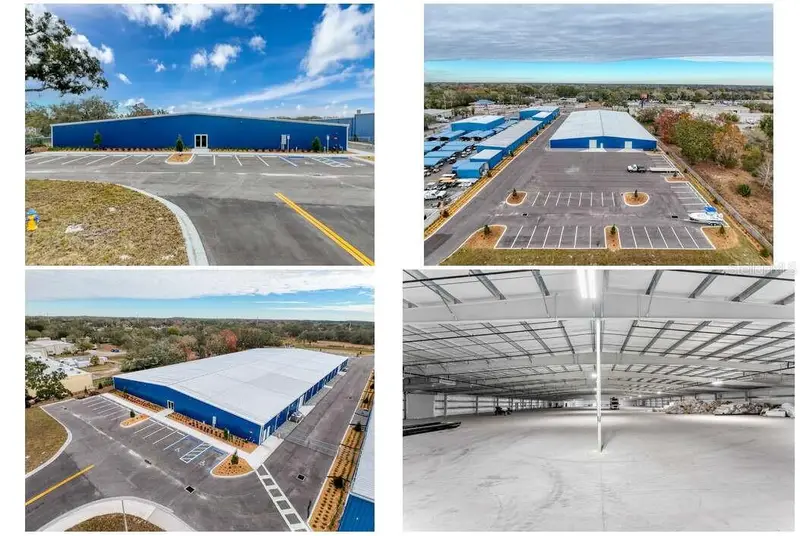
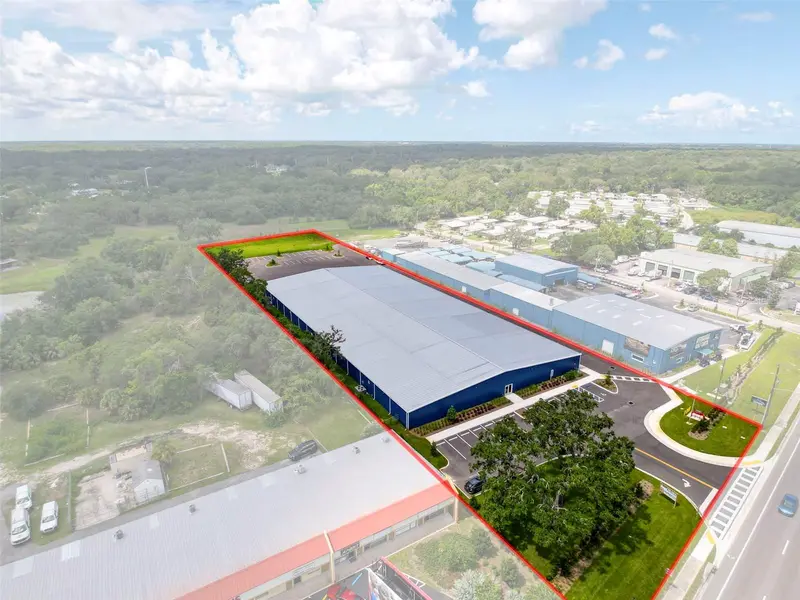
$7.90M
10012 State Road 52
Hudson, FL 34669
4.05 ac · Built 2024
Forest Acres
MLS #W7872144, FLORIDA LUXURY REALTY INC.
Listing provided by Stellar MLS
Listings courtesy of Stellar MLS as distributed by MLS GRID. Data deemed reliable but not guaranteed.
Browse Active Listings
Find Motorsports Property Listings
Most Florida motorsports real estate trades off-market through operator networks. Public listings are a starting point.
Crexi
Tech-forward CRE marketplace
Growing inventory of Florida special-purpose listings.
LoopNet
Largest CRE listings network
The biggest pool of specialty listings in Florida.
BizBuySell
Operating business listings
Business-for-sale listings for owner-operators.
The best racetrack and motocross opportunities rarely hit public markets. For off-market opportunities, tell us what you're looking for.
Frequently Asked Questions
Florida Racetrack & Motocross FAQ
Common questions about buying, operating, and investing in Florida motorsports real estate.
Are there racetracks and motocross tracks for sale in Florida?
Yes — Florida has an active motorsports real estate market, though most deals move off-market. The category spans community motocross tracks (20–80 acres), drag strips, regional road courses, oval and dirt tracks, go-kart complexes, and large multi-use motorsports parks. We track both on-market listings and off-market opportunities across the state.
How much does a motocross track cost in Florida?
Prices range from $500K–$3M for basic community motocross tracks with modest facilities, up to $5M–$15M+ for established regional MX parks with tracks, training programs, camping, and amenities. Pricing is driven primarily by land area, operating income, facilities quality, and permitting/zoning status.
What is the biggest risk when buying a racetrack?
Noise and neighbor encroachment is the most significant long-term risk. Residential development has crept up around many established Florida tracks over the decades, and complaints can trigger noise ordinance enforcement or political pressure to close. Before buying, verify sound compliance history, review any pending complaints, and assess the direction of surrounding development.
Can a racetrack qualify for a 1031 exchange?
Yes — racetrack and motorsports real estate qualifies as like-kind property for 1031 exchange purposes. The real property component (land, track surface, buildings) is exchangeable. If you're buying a going-concern business with real estate, work with a qualified intermediary and tax advisor to properly allocate between exchangeable real property and personal property/business value.
Does Florida have a minimum acreage requirement for a motocross or racetrack?
There is no statewide Florida minimum — every county sets its own standards through its land development code. Acreage minimums, setback requirements, noise thresholds, and conditional use permit criteria vary dramatically from one county to the next. Some counties have historically required substantial minimum acreage for motorsports conditional use approvals; others have approved smaller parcels with the right buffering and noise mitigation. This is one of the most common places buyers get tripped up: they find a parcel, fall in love with the location, and only discover after due diligence that the county requires significantly more land or imposes conditions the site can't meet. Always pull the target county's LDC and consult a local land use attorney before making an offer on any site.
What permits and licenses does a Florida racetrack or motocross track need?
At the state level, there is no Florida operating license for general motorsports or motocross — Florida Statute Chapter 550 (pari-mutuel wagering) covers only horse racing, greyhound racing, and jai alai, not motorsports. However, two state-level obligations apply to nearly every facility: (1) any fuel storage tanks must be registered with Florida DEP under F.A.C. Rule 62-761.400 and F.S. §376.303; and (2) any new construction creating impervious surface requires an Environmental Resource Permit (ERP) for stormwater management under Chapter 62-330, F.A.C. At the county level, expect a conditional use permit or special exception from the county, a local business tax receipt, a food service license if selling concessions, and potentially a special event permit for large ticketed events. All permits should be verified as transferable before closing on any existing facility.
How is a racetrack valued for sale?
Most racetracks trade as going-concern businesses rather than traditional CRE investments. Valuation is primarily income-based — a multiple of EBITDA (typically 4–7x for stable operations) or a cap rate applied to NOI. The underlying real estate provides a land-value floor. Larger, well-established venues with institutional revenue diversity may command higher multiples. Pure real estate investors should model the track as a business acquisition and plan for operational involvement or a strong management team.
Are go-kart tracks a good investment in Florida?
Indoor electric go-kart centers (K1 Speed, Andretti Karting model) have been one of the strongest-performing entertainment real estate categories over the past decade. They combine high-margin F&B, corporate events, and birthday parties with a recurring racing audience. Outdoor go-kart tracks are more operator-dependent but benefit from Florida's year-round weather. The most institutional deals in motorsports real estate are in the indoor karting category.
What environmental permits does a Florida motorsports facility need from DEP?
Two Florida DEP requirements apply to nearly every facility. First, any fuel storage tanks — underground or above-ground — must be registered with Florida DEP under F.A.C. Rule 62-761.400 and Florida Statute §376.303. Second, if new construction creates impervious surface (track pavement, parking, buildings), an Environmental Resource Permit (ERP) for stormwater management is required under Chapter 62-330, F.A.C. Florida's ERP framework requires an 80% reduction in total suspended solids (TSS), or 95% for sites in watersheds containing Outstanding Florida Waters. Florida operates its own delegated NPDES stormwater program — facilities use the Florida DEP permit rather than the federal EPA MSGP. Phase I and Phase II environmental site assessments are also standard practice given the fuel, oil, and tire-rubber exposure common to motorsports operations.
Is This You?
Quick Fit Check
If you nod "yes" to three or more of these, motorsports real estate may belong in your investment strategy.
You have motorsports operational experience or a strong management team partner.
You want a going-concern business acquisition with real estate as the underlying asset.
You're targeting a large-acreage Florida land position with long-term appreciation optionality.
You want a high barrier-to-entry community asset with a loyal, recurring customer base.
You can underwrite noise risk and have evaluated the surrounding development trajectory.
Looking for Motorsports Real Estate in Florida?
Tell us what you're looking for — facility type, acreage, budget, and target region — and we'll surface current Florida racetrack, motocross track, and motorsports facility opportunities.
Related Resources
Special Purpose Properties in Florida
Racetracks and motocross tracks are part of the broader specialty CRE category — see all niche asset types.
Learn more →Land for Sale in Florida
Large-acreage motorsports parcels often sell on land value before or after track operations.
Learn more →Amusement & Entertainment Properties
Go-kart tracks and family motorsports centers overlap with the entertainment property category.
Learn more →