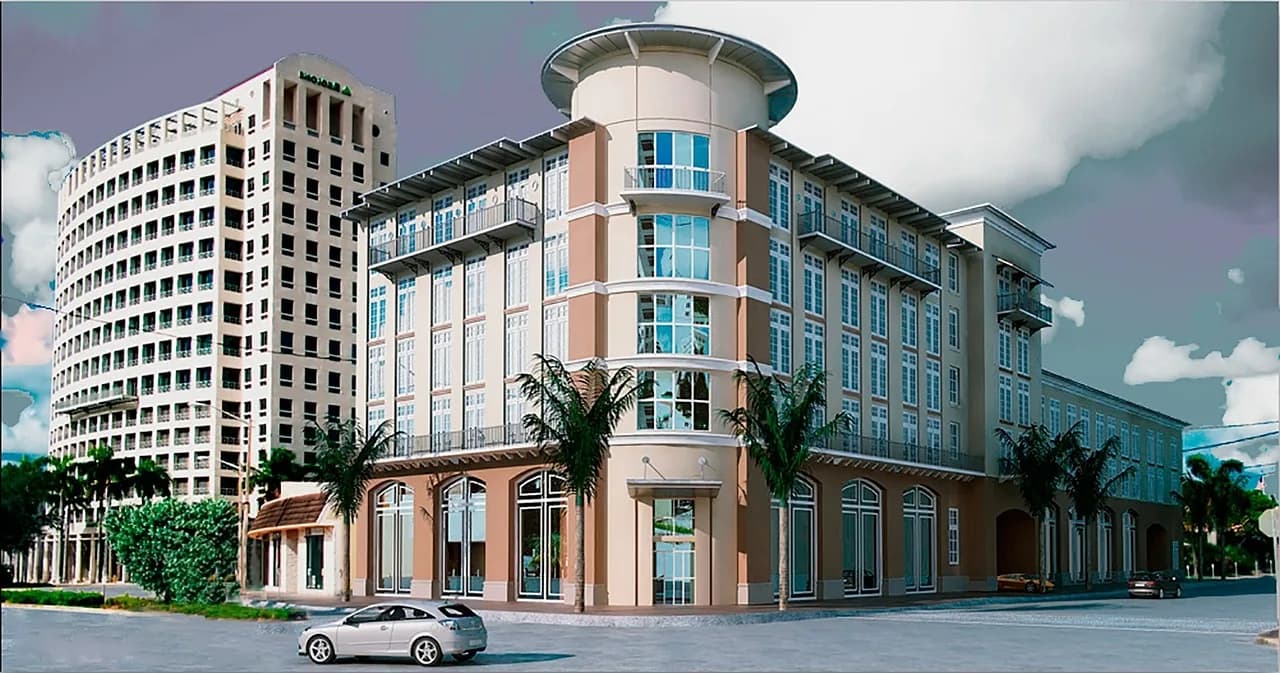
Hospitality Real Estate
Hotels & Motels
From value-add conversions to premium acquisitions — Orlando's hotel market offers diverse entry points for hospitality investors.
Orlando's hotel market is driven by one of the world's most resilient tourism engines. Walt Disney World, Universal Studios, Orange County Convention Center, and annual sports tournaments generate consistent visitor volumes that keep occupancy rates healthy across all market segments.
Hotel investments in Orlando range from budget-focused value-add conversions (motels repositioned as extended-stay or boutique hotels) to premium acquisitions of established brands in high-barrier-to-entry locations. The cap rate spread between value-add plays (6.5–8%) and stabilized premium properties (4.5–6%) attracts different investor profiles, but all benefit from Orlando's structural tourism demand.
Key dynamics: Visitor volume is cyclical with seasonal peaks (holidays, summer, conventions) but never disappears. Labor costs remain manageable vs. national metros. Competition is concentrated near theme parks, while secondary markets (downtown, airport corridor, I-Ride extension) offer lower acquisition prices and undervalued upside.
Investment Opportunities
Value-Add Motel Conversions
Older 2-3 star motels in secondary locations (downtown, airport approach, US-192 corridor) purchased at $60–120K per key, renovated (cosmetic or minor structural), and repositioned as extended-stay, budget extended-stay, or niche brands. Lower acquisition cost makes $5–10M portfolios feasible for mid-market investors. IRR: 15–25% over 5-year hold.
Investment Thesis
Motels are being replaced by brand hotels in prime locations but remain viable in secondary markets where land is cheaper and tenant mix is more flexible. A well-executed repositioning generates NOI lift through operational efficiency, higher nightly rates, and occupancy gains.
Stabilized Brand Hotels
Established Marriott, IHG, Hilton, or independent 3-4 star hotels in Class A locations (near theme parks, I-Drive, airport) with long-term franchise agreements. Institutional quality with predictable cash flows. Acquisition price: $15–50M+. Lower IRR but lower risk and easier institutional financing.
Investment Thesis
Premium hotels near Orlando's attractions are fully leased (franchises signed, brands secured) with professional management. Lower downside risk, slower appreciation, but stable income and refinance optionality.
Extended-Stay / Hybrid Concepts
Conversion from hotel to extended-stay (Residence Inn model) or hybrid hotel/short-term rental. Extended-stay properties command 10–15% rent premiums while reducing operational complexity (fewer housekeeping cycles, higher per-night revenue). Positioned to capture remote workers + traditional leisure.
Investment Thesis
Post-pandemic remote work + tourism demand creates dual income streams. Extended-stay has lower churn than short-term vacation rentals and attracts both leisure and business travelers. Repositioning cost is $2–5M per property.
Key Takeaway
Orlando's hotel market offers the rare combination of recession-resistant demand (tourism never stops), proven asset class (long track record, predictable ops), and diverse cap rate tiers (4.5–8%) accommodating different investor profiles and risk tolerances. Value-add motels attract mid-market investors; stabilized brands attract institutions. Both benefit from Orlando's structural position as a top-5 US tourism destination.
Related Resources
Want to invest in Orlando hospitality real estate?
We source hospitality opportunities across Orlando — from value-add motels to institutional resorts. Tell us your investment criteria and we'll match you with properties that fit your risk profile and return expectations.