Why Due Diligence Matters
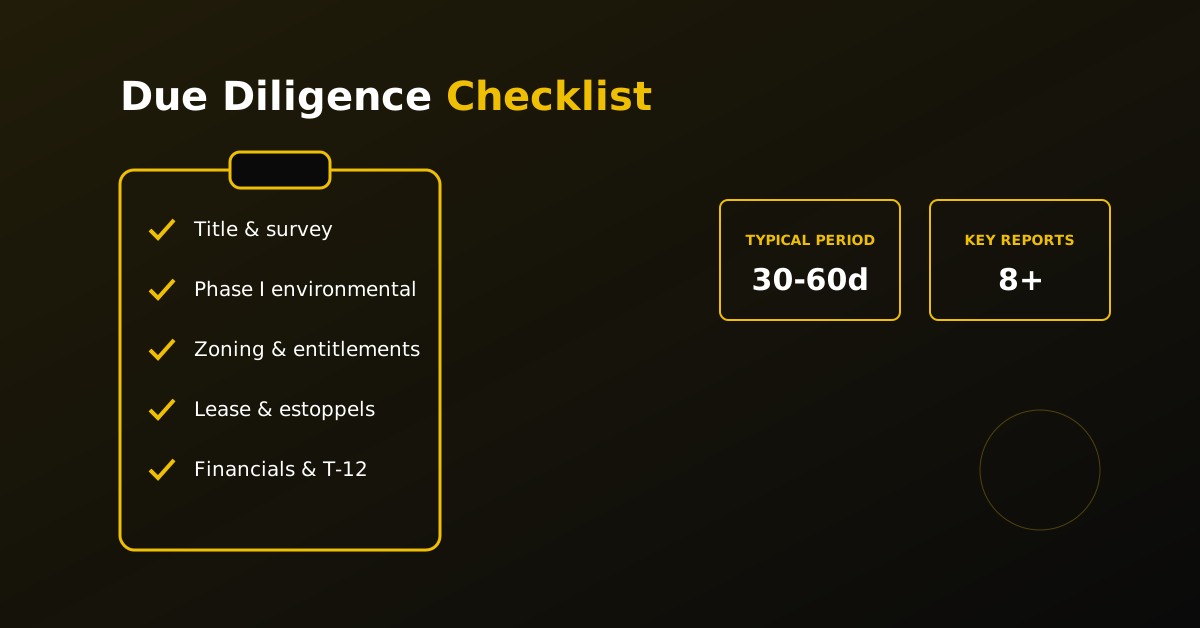
Due diligence is the investigation period between signing a purchase contract and closing on the property. It's your opportunity to verify every assumption, uncover hidden issues, and confirm that the deal is everything the seller represented it to be. In commercial real estate, this period typically ranges from 30 to 60 days.
Skipping or rushing due diligence is one of the most expensive mistakes a buyer can make. Environmental contamination, title defects, lease issues, or zoning restrictions discovered after closing can turn a good deal into a costly liability. This checklist covers the essential areas every commercial property buyer should investigate.
Watch the Guide
1. Physical Inspection
A thorough physical inspection evaluates the condition of the building, its systems, and the site itself. Even for NNN properties where the tenant handles maintenance, you need to understand the physical condition of what you're buying.
- •Roof condition, age, and remaining useful life — roof replacement is one of the most expensive capital expenditures
- •HVAC systems, including age, maintenance history, and capacity
- •Structural integrity — foundation, walls, load-bearing elements
- •Parking lot and site drainage — paving condition, striping, ADA compliance
- •Plumbing and electrical systems — age, code compliance, capacity
- •Exterior and interior finishes — signs of deferred maintenance or water damage
2. Environmental Assessment
Environmental due diligence protects you from inheriting contamination liability. Under federal law, property owners can be held responsible for environmental cleanup regardless of who caused the contamination.
Phase I ESA
A Phase I Environmental Site Assessment is a records review and site inspection that identifies potential environmental concerns. This is standard for virtually every commercial transaction and typically costs $2,000 to $5,000.
Phase II ESA
If the Phase I identifies recognized environmental conditions (RECs), a Phase II involves soil and groundwater sampling to determine whether actual contamination exists. Costs vary widely based on scope.
In Central Florida, common environmental concerns include former gas station sites, dry cleaners, agricultural chemical use, and proximity to known contamination plumes. Properties near wetlands may also trigger additional regulatory review.
3. Title, Survey & Legal Review
Title and survey work confirms that the seller has clear ownership and that the property boundaries, easements, and encumbrances are understood before closing.
- Title CommitmentReview the title commitment for liens, judgments, easements, and any restrictions that could affect your use of the property.
- ALTA SurveyAn updated survey shows exact boundaries, building footprint, setbacks, easements, encroachments, and flood zone designation.
- Deed ReviewConfirm the legal description matches the survey, verify the vesting deed, and check for any deed restrictions or covenants.
- HOA / Association DocsIf applicable, review any property owner association documents for restrictions, assessments, or approval requirements.
4. Lease & Financial Analysis
For income-producing properties, the lease is the backbone of your investment. Every term, clause, and obligation needs to be reviewed carefully — ideally by a real estate attorney.
- •Lease term remaining and renewal options — how long is the income guaranteed?
- •Rent escalation schedule — fixed increases, CPI adjustments, or percentage rent
- •Tenant responsibilities — confirm what expenses the tenant covers (NNN, NN, or modified gross)
- •Landlord obligations — identify any carve-outs for roof, structure, or capital expenditures
- •Assignment and subletting provisions — what happens if the tenant wants to transfer the lease?
- •Termination clauses and co-tenancy provisions — conditions under which the tenant can break the lease
Beyond the lease itself, request at least three years of operating statements, rent rolls, CAM reconciliations, tax bills, and insurance declarations. Verify that the actual income and expenses match what was represented in the offering memorandum.
5. Zoning & Entitlements
Zoning verification confirms that the current use of the property is legally permitted and that your intended use (if different) would be allowed. In Central Florida, zoning regulations vary significantly between municipalities and counties.
- •Confirm the current zoning designation and that the existing use is conforming
- •Review the Comprehensive Plan and Future Land Use Map for the area
- •Check for any pending zoning changes or overlay districts that could affect the property
- •Verify setbacks, height restrictions, parking requirements, and signage regulations
- •If the use is non-conforming (grandfathered), understand the limitations on expansion or rebuilding
- •For vacant land, confirm that the intended use is permitted and review the entitlement timeline
6. Insurance & Closing Preparation
The final stage of due diligence involves confirming insurance requirements and preparing for a smooth closing.
- Insurance ReviewObtain property insurance quotes and verify flood zone status. If the property is in a flood zone, factor in the cost of flood insurance. Confirm the tenant carries adequate liability coverage.
- Estoppel CertificatesRequest estoppel certificates from all tenants confirming the lease terms, rent amount, security deposits, and any outstanding landlord obligations.
- Tenant Financial HealthFor non-credit tenants, request financial statements or tax returns to assess the tenant's ability to fulfill the lease obligations.
- Closing Document ReviewReview all closing documents with your attorney, including the deed, bill of sale, assignment of leases, and any seller representations and warranties.
Need Help With Due Diligence?
MaxLife Commercial guides buyers through every step of the due diligence process on commercial properties across Central Florida. Don't leave anything to chance.
Contact Us