
Downtown Orlando Commercial Real Estate
Investment opportunities in Orlando's urban core. Office, multifamily, ground-floor retail, and adaptive reuse properties in the CBD, Creative Village, and surrounding neighborhoods.
By Ryan Solberg · FL Real Estate Broker License BK3354351
Creative Village
Key Project
SunRail
Transit
Urban Core
Market Type
Growing
Outlook
Downtown Orlando: The Urban Core of Central Florida's Largest Metro
Downtown Orlando serves as the central business district and urban heart of the Orlando metropolitan area, a region of over 2.7 million residents. The downtown core encompasses roughly two square miles of dense commercial, residential, and institutional development centered around Orange Avenue, Church Street, and the Lake Eola district. For commercial real estate investors, Downtown Orlando offers a distinctly urban investment environment that contrasts with the suburban and tourism-driven submarkets that characterize much of the metro.
The downtown market has undergone a meaningful transformation over the past decade. What was once primarily a nine-to-five office district has evolved into a mixed-use urban center with a growing residential population, an expanding dining and entertainment scene, and a concentration of civic and cultural institutions. This evolution has been accelerated by major redevelopment projects — most notably Creative Village — and by the expansion of SunRail commuter rail service, which has improved downtown's connectivity to suburban employment and residential centers.
For investors evaluating the Orlando market, Downtown Orlando represents an opportunity to acquire commercial properties in a supply-constrained urban environment with improving fundamentals. The downtown core benefits from zoning and development patterns that limit horizontal sprawl and concentrate demand in a compact geography, which supports occupancy, rent growth, and property values over time. Investors who understand urban commercial real estate dynamics will find a submarket with meaningful upside as downtown's residential population and employment base continue to grow.
Creative Village: Redefining Downtown Orlando's Western Core
Creative Village is the most significant urban redevelopment project in Downtown Orlando's history and a transformative catalyst for the entire western portion of the downtown core. The 68-acre mixed-use development occupies the former Amway Arena site and is anchored by the UCF Downtown campus, which brings thousands of students and faculty into the urban core on a daily basis. Valencia College's downtown campus operates alongside UCF, creating an academic hub that generates consistent foot traffic and demand for housing, food and beverage, and commercial services.
EA Sports' decision to locate its headquarters at Creative Village has added a major private-sector anchor to the development. The technology and gaming giant's presence brings high-income employment to downtown and signals to other technology companies that Orlando's urban core is a viable and attractive location for creative and technology-focused businesses. The combination of a major university campus and a marquee corporate headquarters creates a demand profile that supports Class A office, urban multifamily, and ground-floor retail investment in the immediate area.
The ripple effects of Creative Village extend well beyond the development's boundaries. Adjacent neighborhoods including Parramore, the North Quarter, and the Church Street district are experiencing increased development interest and investment as the Creative Village ecosystem matures. Commercial properties within walking distance of Creative Village benefit from the project's demand generation, and investors who can identify undervalued assets in these adjacent areas are positioned to capture appreciation as the redevelopment's influence expands. The integration of Creative Village with the broader downtown grid through streetscape improvements and pedestrian connections is creating a more cohesive urban environment that supports commercial property values across the district.
Property Types and Investment Strategies
Office investment in Downtown Orlando spans a range of quality tiers and investment strategies. Class A office towers along Orange Avenue and in the CBD core attract major law firms, financial institutions, and corporate tenants seeking a prestigious downtown address. Class B office buildings offer value-add investors the opportunity to renovate common areas, upgrade building systems, and reposition properties to capture tenants priced out of Class A space. Medical office space is an emerging niche in downtown, driven by healthcare providers seeking to serve the growing urban residential population.
Urban multifamily investment is one of the most active sectors in Downtown Orlando. The growth of downtown's residential population — driven by young professionals, university students, and empty nesters seeking an urban lifestyle — has created strong demand for rental apartments. New Class A multifamily developments have been absorbed quickly, and the limited supply of developable land in the downtown core constrains future competition. Value-add opportunities exist in older apartment buildings and converted properties where renovation can bring rents to current market levels.
Ground-floor retail and restaurant space is a critical component of downtown's commercial real estate market. The growth of the residential population and the daily influx of office workers and university students create a consumer base that supports a diverse tenant mix of restaurants, coffee shops, boutique retailers, and service providers. Retail properties along Orange Avenue, Church Street, and in the Thornton Park and Lake Eola districts command premium rents and attract tenants who value the foot traffic and visibility of a downtown location.
Adaptive reuse represents a distinctive investment strategy in Downtown Orlando. The urban core contains older commercial and industrial buildings that are candidates for conversion to residential, office, or mixed-use formats. Adaptive reuse projects benefit from the character and location of existing structures while creating modern commercial spaces that command premium rents. Investors with experience in renovation and repositioning can generate attractive returns by converting underutilized downtown buildings into productive commercial assets. The city's historic preservation incentives and downtown development policies can further enhance the economics of adaptive reuse projects.
Investment Outlook and Connectivity
Downtown Orlando's investment outlook is shaped by several converging trends that favor long-term value creation. The continued maturation of Creative Village, the expansion of downtown's residential population, and the city's commitment to urban infrastructure improvements are all positive demand drivers for commercial real estate. The SunRail commuter rail system connects downtown to suburban employment centers in Seminole, Volusia, and Osceola counties, expanding the labor pool for downtown employers and the customer base for downtown retailers and restaurants.
SunRail's role in downtown's commercial real estate market extends beyond simple transit connectivity. The downtown SunRail stations at Church Street and LYNX Central create transit-oriented development nodes where commercial property values benefit from the accessibility premium associated with rail access. Properties within walking distance of SunRail stations are more attractive to tenants and residents who value the ability to commute without a car, and this preference is reflected in stronger occupancy and rent performance.
Compared to suburban Orlando submarkets, Downtown Orlando offers investors a different risk-return profile. Initial yields may be slightly lower, but the supply constraints inherent in an urban core — limited developable land, zoning density limits, and the high cost of vertical construction — create a structural supply discipline that protects property values and supports long-term rent growth. Investors who take a five-to-ten-year perspective on downtown acquisitions are well-positioned to benefit from the ongoing urbanization trend that is reshaping how Central Floridians live and work.
Downtown Orlando also benefits from its role as the civic and cultural center of the region. The Dr. Phillips Center for the Performing Arts, Amway Center, and a growing roster of cultural institutions and events draw visitors to downtown on evenings and weekends, supporting restaurant and entertainment tenants and creating a vibrant urban environment that enhances commercial property appeal. For investors comparing downtown to other Orlando submarkets like <a href="/markets/lake-nona-commercial-real-estate">Lake Nona</a> or <a href="/markets/international-drive-commercial-real-estate">International Drive</a>, the downtown core offers a fundamentally urban investment thesis with strong institutional tailwinds and improving market dynamics.
Property Types in Downtown Orlando
Class A & B Office
Urban Multifamily
Ground-Floor Retail & Restaurant
Adaptive Reuse & Conversion
Medical Office
Mixed-Use Development
Why Invest in Downtown Orlando
Creative Village brings UCF, Valencia College, and EA Sports HQ to the urban core
SunRail commuter rail enhances connectivity and creates transit-oriented development premiums
Supply-constrained urban environment limits new competition and supports rent growth
Growing downtown residential population drives demand for retail, dining, and services
Adaptive reuse opportunities in older buildings offer value creation through repositioning
Civic and cultural institutions generate evening and weekend foot traffic beyond office hours
Downtown Orlando Market Spotlight Video
Get Downtown Orlando Deal Alerts
Be the first to know about commercial real estate opportunities in Downtown Orlando. Sign up for off-market deal access.
Market Insights
Research and analysis for commercial real estate investors
Downtown Orlando Cap Rates by Property Type
Current cap rate ranges for retail, office, industrial, multifamily, and NNN properties.
Orlando Commercial Real Estate Trends 2026
Cap rates, submarkets, and investment strategies across the Orlando metro.
Entertainment District Investment Guide
Disney, Universal, and I-Drive corridor opportunities for CRE investors.
Brevard County Investment Outlook
Space Coast growth drivers and commercial real estate opportunity areas.
Recent Closings in Downtown Orlando
Verified commercial transactions closed by MaxLife Commercial in Orange County.
AutoZone — 801 S Goldenrod Rd
Orlando, Orange County
$950,000
Tenant: AutoZone (NYSE: AZO)
Absolute NNN ground lease — 17-year tenant occupancy, corporate guarantee, 41,000 VPD on Goldenrod Rd corridor. 4 × 5-year renewal options remaining.
Live Commercial Listings in Downtown Orlando
Active commercial inventory in Downtown Orlando — for sale, live from Stellar MLS.
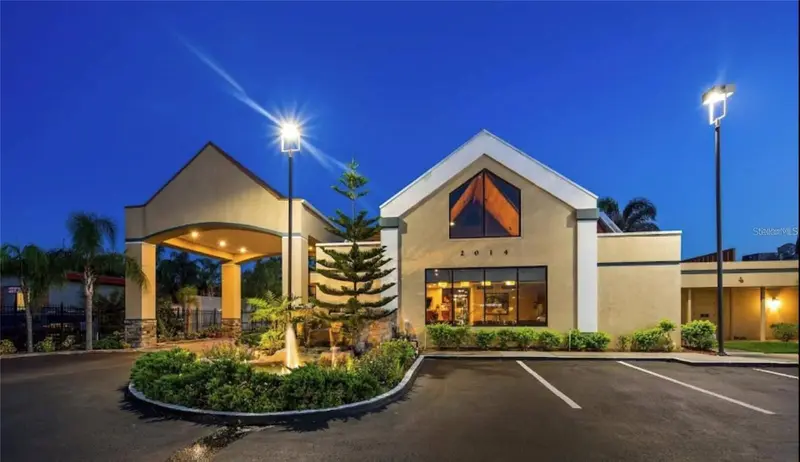

$8.50M
2014 W Colonial Dr
Orlando, FL 32804
62,369 SF · 2.79 ac · Built 1967
MLS #O6448580, LJL REAL ESTATE, INC..
Listing provided by Stellar MLS
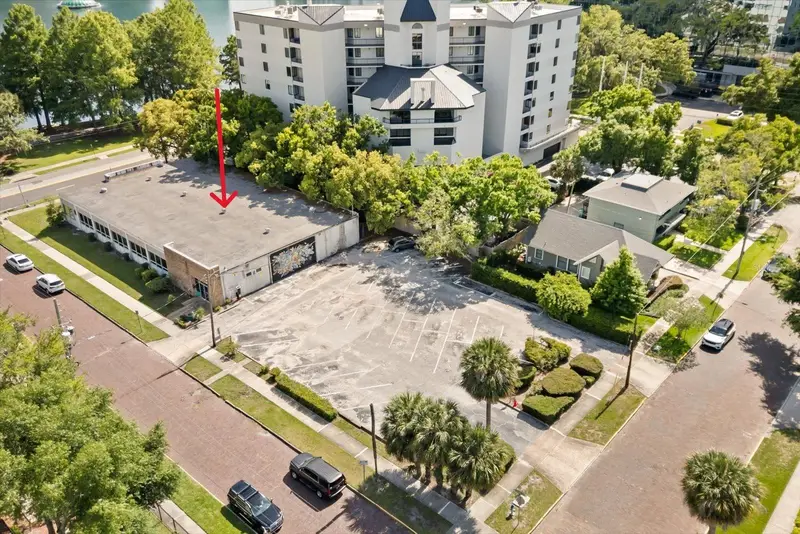
$5.99M
421 E Robinson St
Orlando, FL 32801
9,479 SF · 0.68 ac · Built 1965
Hillmans First Add
MLS #O6311604, DOVER INTERNATIONAL CO., INC..
Listing provided by Stellar MLS
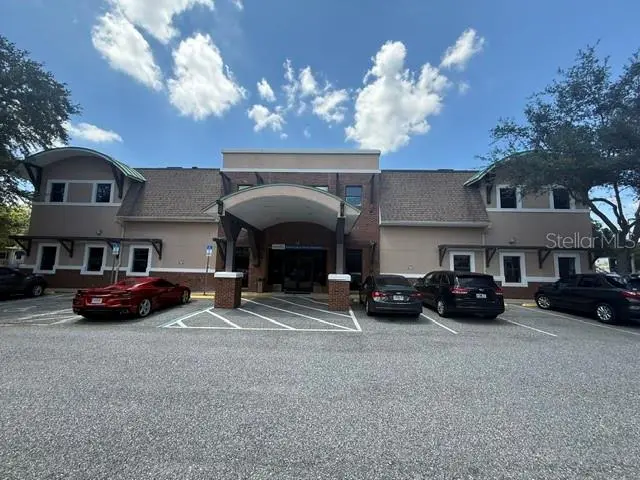
$5.40M
1115 E Ridgewood St
Orlando, FL 32803
11,200 SF · 0.64 ac · Built 2013
MLS #O6436074, FLORIDA REALTY INVESTMENTS.
Listing provided by Stellar MLS
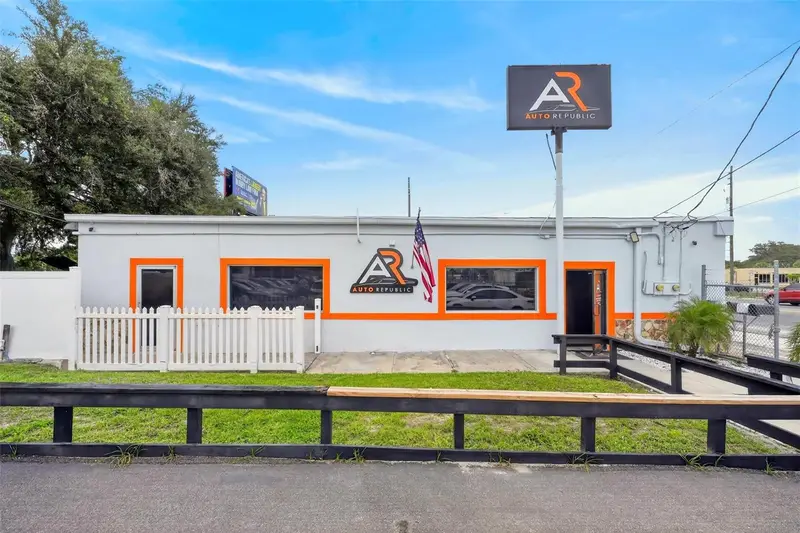
$5.00M
2906 N Orange Blossom Trl
Orlando, FL 32804
8,864 SF · 0.77 ac · Built 1946
Weissinger
MLS #O6430133, MARKET CONNECT REALTY LLC.
Listing provided by Stellar MLS
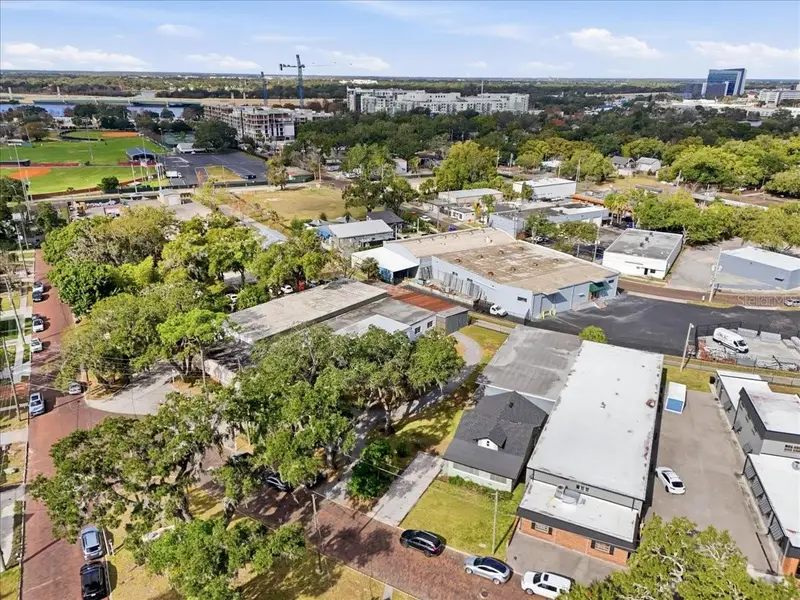
$3.95M
1022 Wilfred Dr #Sealed Bid!
Orlando, FL 32803
0.19 ac · Built 1957
Mount Vernon Heights
MLS #O6377000, COMMERCIAL REAL ESTATE PROF IN.
Listing provided by Stellar MLS
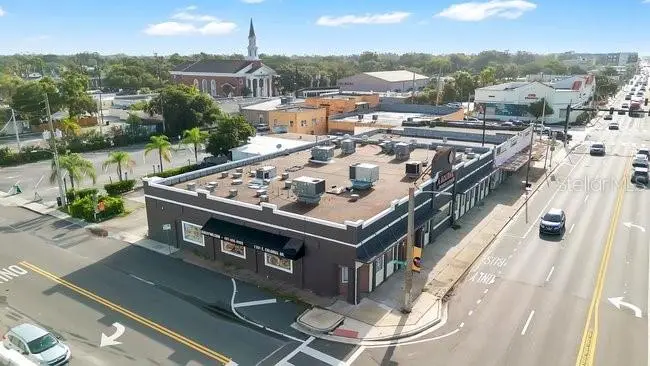
$3.85M
1101 E Colonial Dr
Orlando, FL 32803
8,163 SF · 0.35 ac · Built 1926
Overstreet Oak Hill Sub
MLS #O6425026, PRIMEFIT PROPERTIES LLC.
Listing provided by Stellar MLS
Listings courtesy of Stellar MLS as distributed by MLS GRID. Data deemed reliable but not guaranteed.
Downtown Orlando Specialist
Ready to Invest in Downtown Orlando?
Schedule a free consultation with our Downtown Orlando commercial real estate team.
Downtown Orlando Investment Consultation
Tell us your investment goals and we'll identify the right Downtown Orlando opportunities for you.