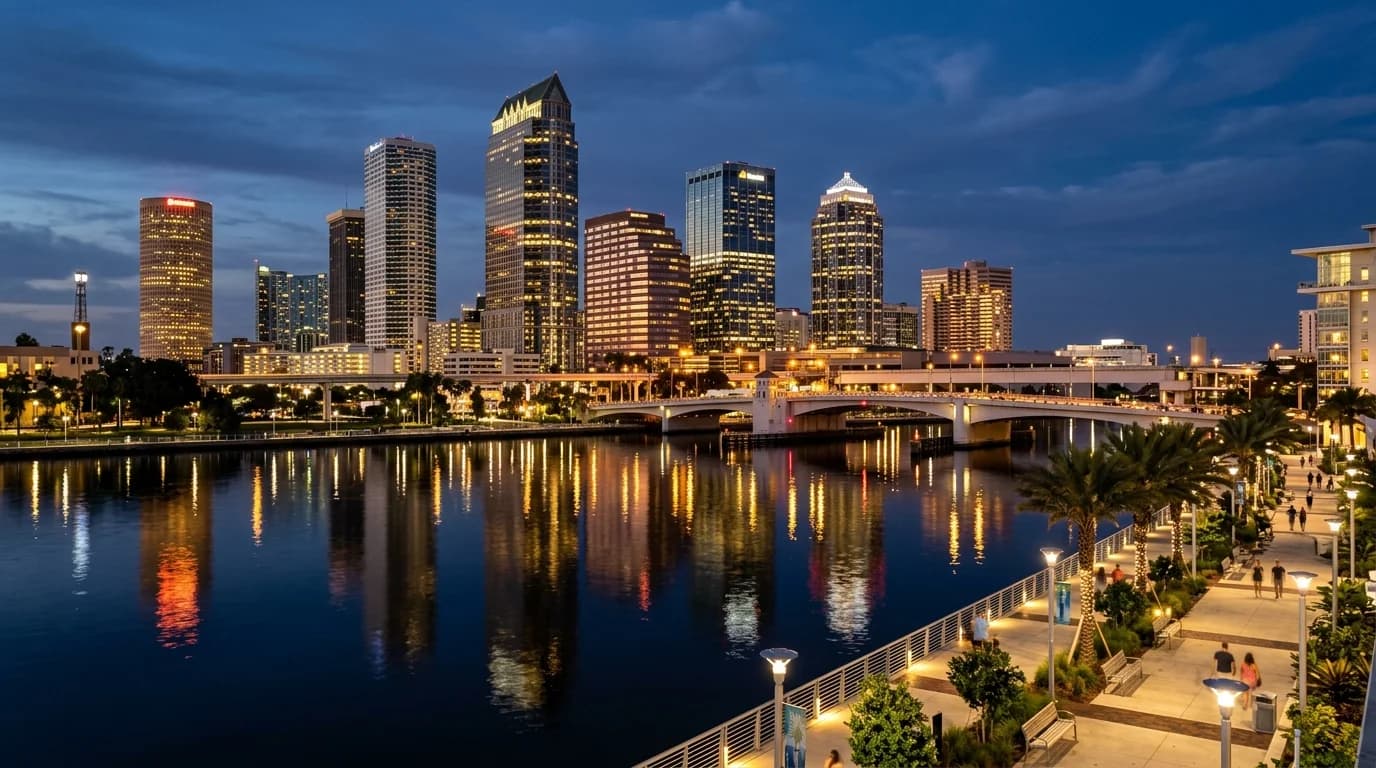
Tampa Bay Commercial Real Estate Market
Florida's second-largest metro and one of the strongest commercial real estate markets in the Southeast. Retail, office, industrial, multifamily, and NNN investment properties across Hillsborough, Pinellas, and Pasco counties.
By Ryan Solberg · FL Real Estate Broker License BK3354351
3.2M+
Metro Population
#1 FL Port
Port Tampa Bay
2nd in FL
Market Size
Strong
Outlook
Why Tampa Bay Is a Top-Tier Florida CRE Market
Tampa Bay is Florida's second-largest metropolitan area and one of the most dynamic commercial real estate markets in the Southeast. With a metro population exceeding 3.2 million across Hillsborough, Pinellas, Pasco, and Hernando counties, Tampa Bay combines the scale of a major metro with the growth trajectory of a Sun Belt boomtown. Domestic in-migration, corporate relocations, and a diversified employment base have driven sustained demand across every major commercial property type.
The region's economy has moved well beyond its tourism and port roots. Financial services anchor Tampa's urban core, with Raymond James, Citigroup's Tampa hub, and a growing fintech ecosystem. Healthcare is a dominant employer through BayCare, Tampa General, AdventHealth, and Moffitt Cancer Center. Technology and cybersecurity clusters have emerged around USF and MacDill Air Force Base's CENTCOM and SOCOM commands. This diversification translates into resilient office, medical, and multifamily demand.
Tampa Bay's appeal to investors is reinforced by Florida's tax environment, favorable regulatory climate, and the region's strategic position at the western terminus of the I-4 corridor. The Port of Tampa Bay is Florida's largest port by tonnage, supporting industrial and logistics demand, while Tampa International Airport consistently ranks among the most efficient large airports in the country.
Key Commercial Property Types in Tampa Bay
Office demand in Tampa Bay centers on the Westshore business district — the largest office submarket in Florida — and downtown Tampa, where a wave of new Class A construction has been absorbed by financial, legal, and tech tenants. Medical office remains one of the strongest-performing sectors, driven by BayCare, Tampa General, and the Moffitt Cancer Center expansion in Pasco County. St. Petersburg's Innovation District and downtown core have attracted creative and professional services tenants seeking an urban alternative to Tampa.
Retail fundamentals in Tampa Bay are among the strongest in Florida. Grocery-anchored centers along major corridors like Dale Mabry, Gandy Boulevard, and US-19 benefit from dense population and consistent consumer spending. Tourist-oriented retail in Clearwater Beach and along the Gulf coast supports premium rents. National NNN tenants remain active expansion candidates throughout the metro.
Industrial and logistics properties have seen outsized appreciation as Tampa Bay solidifies its role as Florida's Gulf-coast distribution hub. Port Tampa Bay, the CSX intermodal yard, and the I-4 and I-75 interchanges support warehouse, distribution, and flex industrial demand. Vacancy in the Plant City and east Hillsborough industrial submarkets has remained at structural lows for several years.
Multifamily investment continues to perform well as Tampa Bay's population growth outpaces housing supply. Class B and C multifamily properties across Hillsborough and Pinellas offer value-add investors the opportunity to renovate units and push rents to market rates. Urban-infill multifamily in Tampa Heights, Ybor City, and downtown St. Petersburg command premium rents driven by walkable lifestyle demand.
Tampa Bay Submarkets
Westshore — the largest office submarket in Florida, with Class A towers, corporate headquarters, and direct access to Tampa International Airport. Tenant base is dominated by financial services, legal, and professional services firms.
Downtown Tampa — Water Street Tampa, the $3+ billion mixed-use development led by Strategic Property Partners and Jeff Vinik, has transformed the urban core with new office, multifamily, hotel, and retail. Riverwalk connectivity and the Amalie Arena anchor the district.
Ybor City — Tampa's historic Latin Quarter, now a mixed-use entertainment and creative office district with adaptive reuse opportunities in historic cigar-factory buildings. Home to a rising multifamily and nightlife economy.
South Tampa / Hyde Park — affluent residential submarket with walkable retail corridors along Howard Avenue, Bay-to-Bay Boulevard, and Hyde Park Village. Some of the highest household incomes in the region.
St. Petersburg — Florida's fourth-largest city, with a revitalized downtown, booming multifamily pipeline, and a growing creative economy. The Innovation District anchors office demand near USF St. Petersburg.
Clearwater & Clearwater Beach — tourism-driven retail and hospitality submarket with strong Gulf-coast demand drivers. Downtown Clearwater is undergoing revitalization with the Imagine Clearwater waterfront project.
Brandon / Riverview — the fastest-growing suburban submarket in Hillsborough County, with retail, multifamily, and medical office demand driven by rooftop growth along SR-60, US-301, and the I-75 corridor.
Wesley Chapel & Pasco County — one of Florida's fastest-growing suburban corridors, anchored by The Grove, Wiregrass, and the BayCare Wesley Chapel hospital campus. Land for development remains a core opportunity.
Tampa Bay Market Trends & Outlook
Tampa Bay enters 2026 with exceptional fundamentals. The Water Street Tampa development has recalibrated downtown's investment profile, attracting institutional capital that previously bypassed Tampa for Miami or Orlando. The region's population growth has consistently ranked in the top 10 metros nationally, creating a durable demand tailwind across property types.
Cap rates across Tampa Bay have stabilized after the rate-cycle adjustments of recent years. NNN assets with national credit tenants trade in line with Orlando and slightly wider than South Florida, making Tampa Bay attractive for 1031 exchange and passive income investors. Industrial cap rates remain tight given structural supply constraints along the I-4 and I-75 corridors.
Development activity is concentrated in the Pasco County growth corridor, the Brandon-Riverview suburban expansion, and urban-infill multifamily in downtown Tampa and downtown St. Petersburg. Land acquisition ahead of utility extensions and road improvements remains one of the highest-upside plays in the region.
For investors looking to enter or expand in Tampa Bay, partnering with a broker who understands the submarket distinctions — from Westshore's corporate office dynamics to Pinellas's tourism-driven retail to Pasco's land-development opportunities — is essential to identifying the right deals and avoiding overpriced assets.
Property Types in Tampa Bay
Retail & Shopping Centers
Class A & B Office
Industrial & Logistics
Multifamily
NNN Investments
Medical Office
Why Invest in Tampa Bay
Florida's second-largest metro with sustained top-10 US population growth
Water Street Tampa and urban-core redevelopment attracting institutional capital
Westshore — Florida's largest office submarket — anchors corporate tenant demand
Port Tampa Bay and I-4/I-75 interchanges drive industrial and logistics demand
Diversified economy: financial services, healthcare, defense, tech, and tourism
MacDill AFB (CENTCOM/SOCOM) anchors recession-resistant defense employment
Tampa Bay Market Spotlight Video
Get Tampa Bay Deal Alerts
Be the first to know about commercial real estate opportunities in Tampa Bay. Sign up for off-market deal access.
Market Insights
Research and analysis for commercial real estate investors
Tampa Bay Cap Rates by Property Type
Current cap rate ranges for retail, office, industrial, multifamily, and NNN properties.
Orlando Commercial Real Estate Trends 2026
Cap rates, submarkets, and investment strategies across the Orlando metro.
Entertainment District Investment Guide
Disney, Universal, and I-Drive corridor opportunities for CRE investors.
Brevard County Investment Outlook
Space Coast growth drivers and commercial real estate opportunity areas.
Live Commercial Listings in Tampa Bay
Active commercial inventory in the Tampa Bay metro — for sale, live from Stellar MLS.
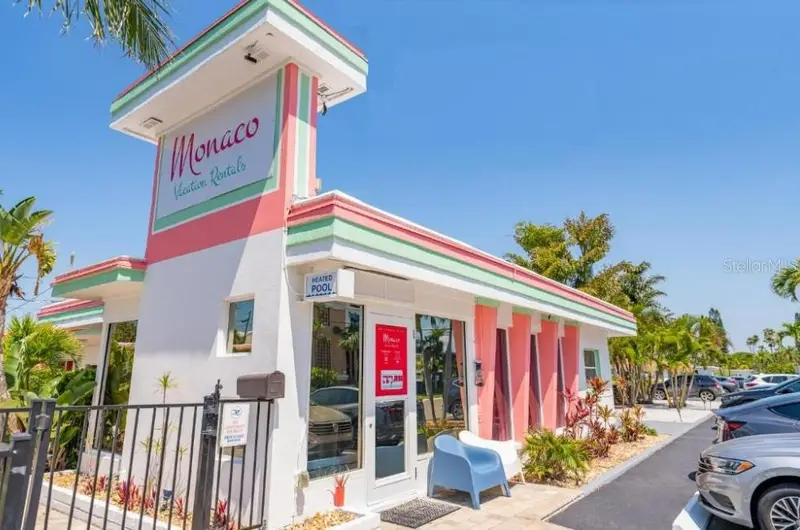

$24.60M
648 Poinsettia Ave
Clearwater Beach, FL 33767
18,412 SF · 1.1 ac · Built 1960
Mandalay Unit 5 Rep
MLS #TB8363396, VIEWPOINT REALTY INTERNATIONAL.
Listing provided by Stellar MLS
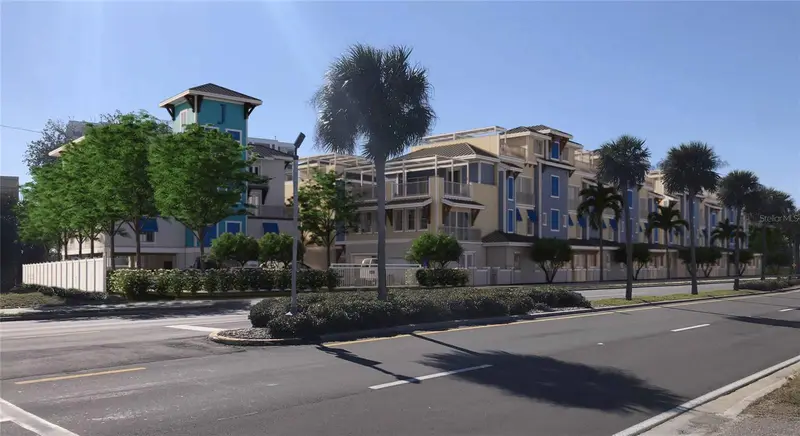
$18.00M
265 Causeway Blvd
Dunedin, FL 34698
1.05 ac · Built 2026
MLS #TB8418843, PALM LIFE REALTY.
Listing provided by Stellar MLS
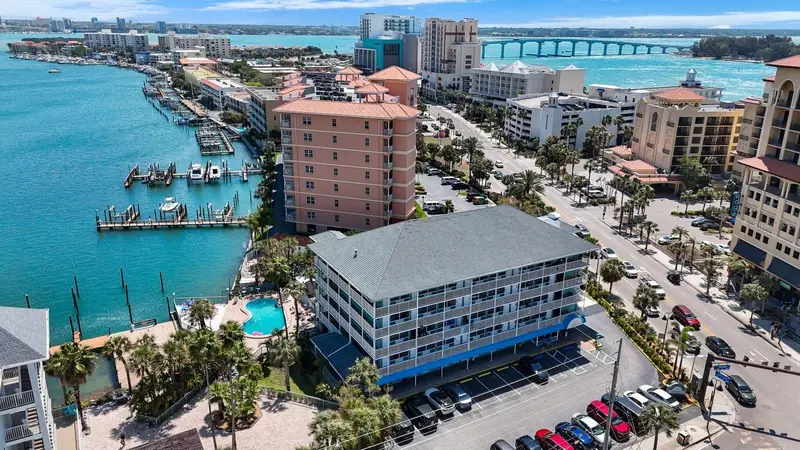
$17.00M
504 S Gulfview Blvd
Clearwater, FL 33767
20,700 SF · 0.89 ac · Built 1974
Columbia Sub 5
MLS #U8232488, VIEWPOINT REALTY INT'L INC.
Listing provided by Stellar MLS
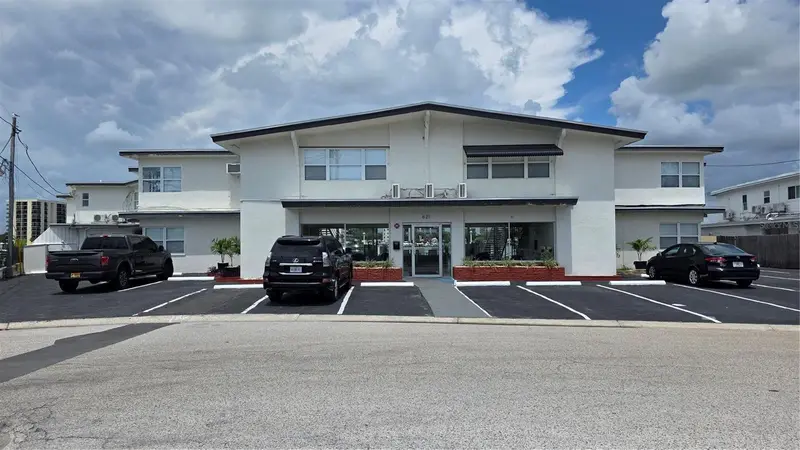
$15.00M
621 Bay Esplanade
Clearwater Beach, FL 33767
9,936 SF · 1.47 ac · Built 1953
Mandalay Unit 5 Rep
MLS #TB8529952, VIEWPOINT REALTY INTERNATIONAL.
Listing provided by Stellar MLS
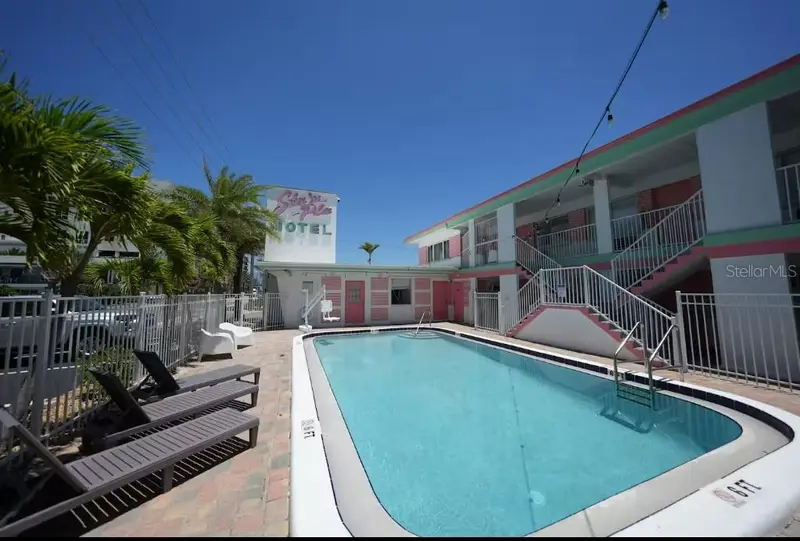
$14.30M
345 Hamden Dr
Clearwater Beach, FL 33767
7,417 SF · 0.38 ac · Built 1955
Bayside Sub 2
MLS #TB8363784, VIEWPOINT REALTY INTERNATIONAL.
Listing provided by Stellar MLS
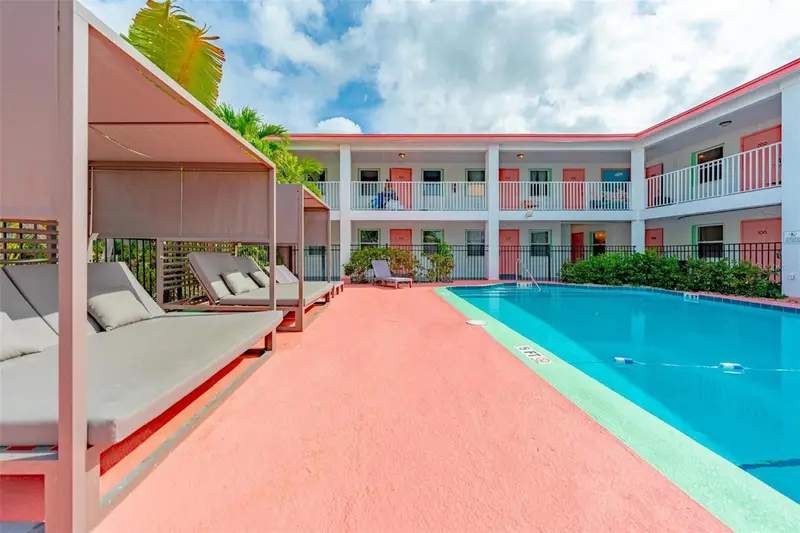
$13.65M
333 Hamden Dr
Clearwater Beach, FL 33767
10,314 SF · 0.39 ac · Built 1956
Bayside Sub 2
MLS #TB8363416, VIEWPOINT REALTY INTERNATIONAL.
Listing provided by Stellar MLS
Listings courtesy of Stellar MLS as distributed by MLS GRID. Data deemed reliable but not guaranteed.
Tampa Bay Specialist
Ready to Invest in Tampa Bay?
Schedule a free consultation with our Tampa Bay commercial real estate team.
Tampa Bay Investment Consultation
Tell us your investment goals and we'll identify the right Tampa Bay opportunities for you.