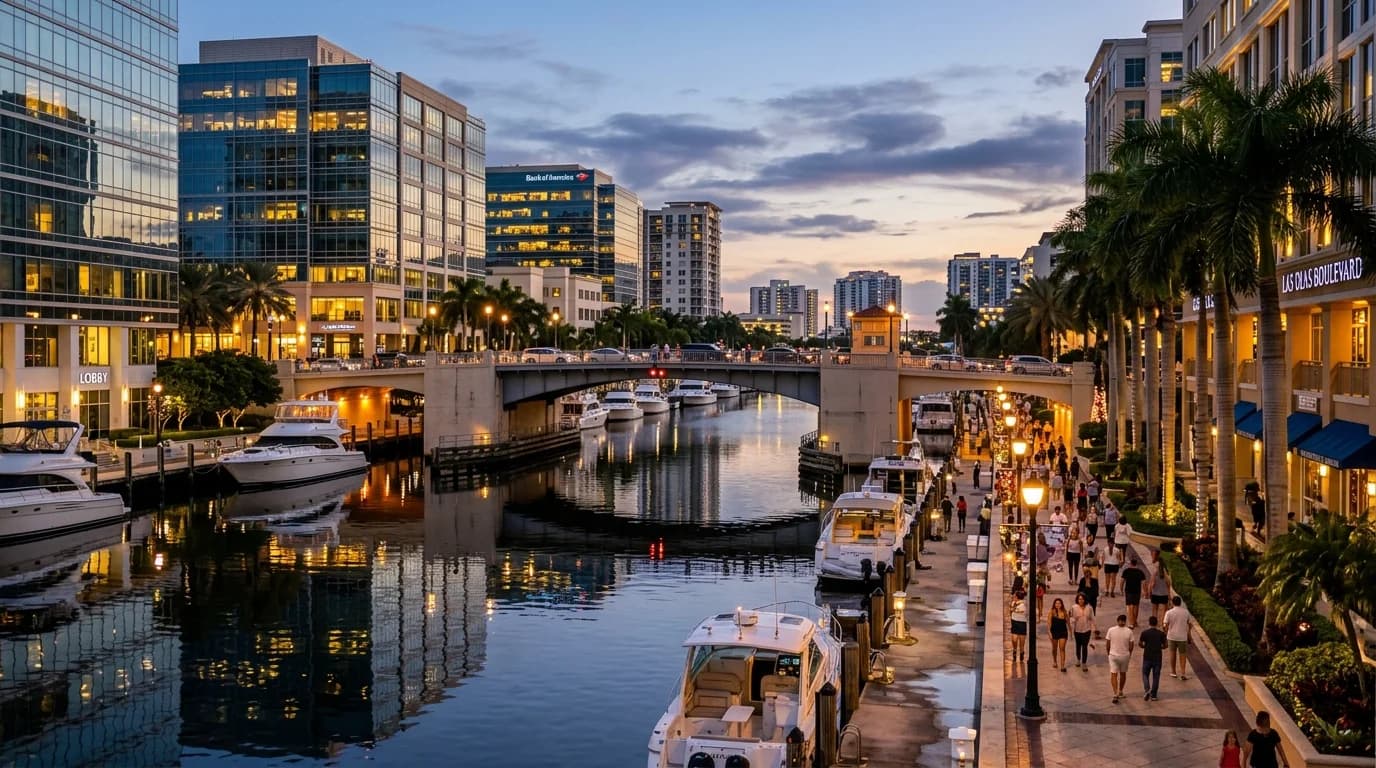
Fort Lauderdale Commercial Real Estate Market
Broward County's commercial real estate hub and the logistics gateway of South Florida. Office, retail, industrial, multifamily, and hospitality opportunities across downtown Fort Lauderdale, Las Olas, Pompano Beach, Hollywood, and the I-95 corridor.
By Ryan Solberg · FL Real Estate Broker License BK3354351
1.9M+
Metro Population
#3 FL Port
Port Everglades
Expanding
FLL Airport
Strong
Outlook
Fort Lauderdale: The Commercial Heart of Broward County
Fort Lauderdale is the commercial real estate capital of Broward County and one of the most dynamic mid-sized urban markets in Florida. With a metro population of approximately 1.9 million and a coastal location between Miami-Dade and Palm Beach counties, Fort Lauderdale offers investors a distinctive blend of urban-core fundamentals, suburban scale, and logistics infrastructure that few other Florida submarkets can match.
The city's economy has diversified well beyond its traditional tourism and yachting base. Financial services, healthcare, technology, marine industries, and aviation collectively anchor a stable employment base. Fort Lauderdale hosts the headquarters of Citrix Systems, AutoNation, and Microsoft's Latin America regional headquarters. Port Everglades — one of the busiest container and cruise ports in the United States — supports a substantial logistics, distribution, and hospitality ecosystem, while Fort Lauderdale-Hollywood International Airport (FLL) consistently ranks among the busiest airports in the country and continues to expand capacity.
Fort Lauderdale's commercial real estate market benefits from its role as a more affordable alternative to Miami-Dade without sacrificing proximity to the region's economic engines. Class A office rents in downtown Fort Lauderdale have risen substantially but remain meaningfully below Brickell and Palm Beach. Industrial pricing along the I-95 and Florida's Turnpike corridors offers favorable basis compared to Doral. Multifamily pricing has compressed toward Miami-Dade metrics but still provides attainable entry points.
Downtown Fort Lauderdale, Las Olas, and Flagler Village
Downtown Fort Lauderdale has experienced a transformational decade of urban redevelopment. New Class A office towers, luxury multifamily high-rises, and hospitality development have converged to create a vibrant urban core that rivals Miami's Brickell in energy and urban lifestyle — at meaningfully lower pricing. The downtown submarket's commercial real estate profile is anchored by the Las Olas corporate corridor, the Riverwalk waterfront, and the Flagler Village mixed-use neighborhood to the north.
Las Olas Boulevard is Fort Lauderdale's premier retail and dining corridor, stretching from the Intracoastal Waterway westward through downtown. Luxury boutiques, fine dining, and high-end residential overlook a walkable streetscape that functions as the city's social and commercial centerpiece. Commercial properties along Las Olas command some of the highest retail rents in Broward County.
Flagler Village, immediately north of downtown, has become one of the most dynamic creative and mixed-use districts in South Florida. A significant wave of new multifamily development, adaptive reuse of warehouse buildings, and ground-floor retail has transformed the neighborhood into a destination for young professionals, creatives, and entrepreneurs. The NE 3rd Avenue corridor and the FATVillage arts district anchor a growing creative economy.
Pompano Beach, Hollywood, and Greater Broward
Pompano Beach, immediately north of Fort Lauderdale, has emerged as one of the most investor-friendly submarkets in Broward County. The city has pursued a deliberate urban revitalization strategy that has attracted multifamily development, creative office, and mixed-use projects at favorable pricing relative to downtown Fort Lauderdale. The redevelopment of Pompano Beach's downtown and the ongoing Pompano Citi Centre redevelopment have created meaningful opportunity for value-add investors.
Hollywood, south of Fort Lauderdale toward the Miami-Dade line, anchors a growing urban redevelopment story. Downtown Hollywood, Hollywood Beach, and the ArtsPark corridor have attracted multifamily and mixed-use development, and the Hollywood Circle project has established new Class A inventory in the urban core. Hard Rock Hotel & Casino Hollywood anchors the region's hospitality and entertainment economy.
Greater Broward County — including Sunrise, Plantation, Coral Springs, Davie, and Weston — offers a deep set of suburban office, retail, and multifamily opportunities. Sawgrass International Corporate Park in Sunrise remains one of the largest suburban office concentrations in South Florida, while the Sawgrass Mills outlet center anchors a major regional retail ecosystem. Weston is among the wealthiest cities in Broward County and supports premium neighborhood retail and medical office.
Industrial, Logistics, and Investment Outlook
Fort Lauderdale and broader Broward County represent one of the strongest industrial and logistics markets in the United States. Port Everglades, FLL airport, and the intersection of I-95, I-595, and Florida's Turnpike create a logistics corridor that rivals Doral's density at more attainable pricing. Industrial vacancy across Broward has remained near historic lows, with new construction along the Powerline Road corridor, Pompano Beach, and the west Broward submarkets continuing to be absorbed at premium rents.
NNN investment activity in Fort Lauderdale and Broward County is robust. National credit tenants continue to expand aggressively across the county, and NNN cap rates trade in line with the broader South Florida market. The combination of high traffic counts, strong household incomes, and dense population makes Broward a preferred submarket for NNN buyers seeking South Florida exposure at slightly more favorable pricing than Miami-Dade.
For commercial real estate investors, Fort Lauderdale offers a differentiated South Florida exposure. The market provides institutional-quality tenants, coastal demographic strength, and genuine urban-core fundamentals — while trading at pricing that is meaningfully more attainable than Miami-Dade. Whether the strategy is Class A office, urban multifamily, industrial core, or NNN passive income, Fort Lauderdale should anchor any serious South Florida allocation.
Property Types in Fort Lauderdale
Class A Office
Retail & Shopping Centers
Industrial & Logistics
Multifamily
Hospitality
Mixed-Use Development
Why Invest in Fort Lauderdale
More attainable South Florida pricing than Miami-Dade with equivalent demographics
Port Everglades and FLL airport anchor one of the densest logistics ecosystems in the US
Downtown Fort Lauderdale and Flagler Village driving urban-core transformation
Las Olas Boulevard is one of the premier retail and dining corridors in Florida
Pompano Beach and Hollywood offer value-add urban redevelopment opportunities
Major corporate HQs: Citrix, AutoNation, Microsoft Latin America
Fort Lauderdale Market Spotlight Video
Get Fort Lauderdale Deal Alerts
Be the first to know about commercial real estate opportunities in Fort Lauderdale. Sign up for off-market deal access.
Market Insights
Research and analysis for commercial real estate investors
Fort Lauderdale Cap Rates by Property Type
Current cap rate ranges for retail, office, industrial, multifamily, and NNN properties.
Orlando Commercial Real Estate Trends 2026
Cap rates, submarkets, and investment strategies across the Orlando metro.
Entertainment District Investment Guide
Disney, Universal, and I-Drive corridor opportunities for CRE investors.
Brevard County Investment Outlook
Space Coast growth drivers and commercial real estate opportunity areas.
Live Commercial Listings in Fort Lauderdale
Active commercial inventory in Broward County — for sale, live from Stellar MLS.
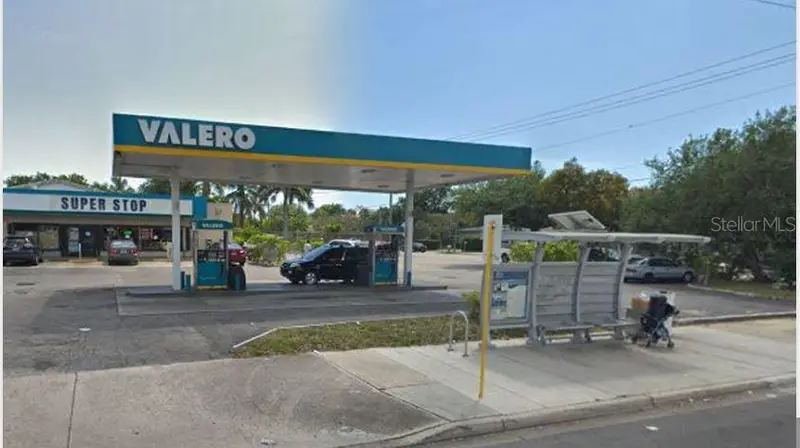

$2.80M
1900 Nw 9th Ave
Fort Lauderdale, FL 33311
3,910 SF · 0.52 ac · Built 1984
Argonne Heights Amd Place 16-8 B
MLS #O6254392, KELLY RIGHT REAL ESTATE.
Listing provided by Stellar MLS
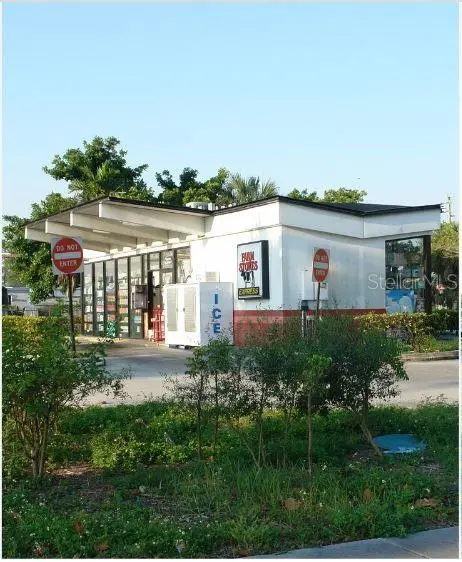
$2.50M
4050 Sw 21st St
Fort Lauderdale, FL 33317
1,314 SF · 0.76 ac · Built 1996
M & I 135-4 B
MLS #O6250620, KELLY RIGHT REAL ESTATE.
Listing provided by Stellar MLS
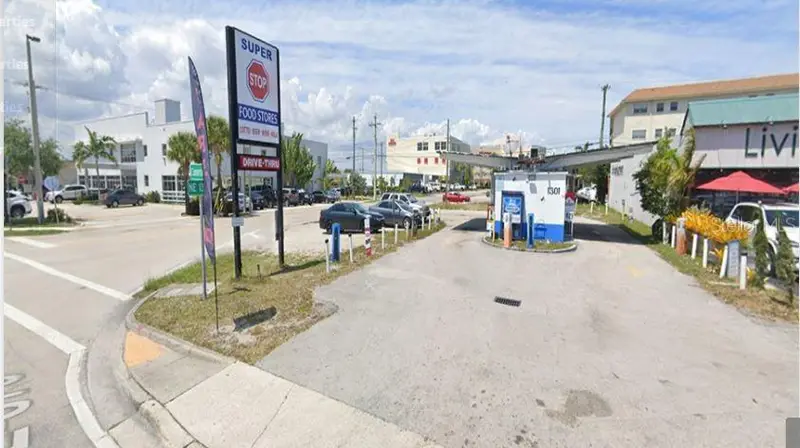
$1.20M
1301 E Commercial Blvd
Oakland Park, FL 33334
1,096 SF · 0.24 ac · Built 1960
Coral Ridge Isles 45-47 B
MLS #O6260738, KELLY RIGHT REAL ESTATE.
Listing provided by Stellar MLS
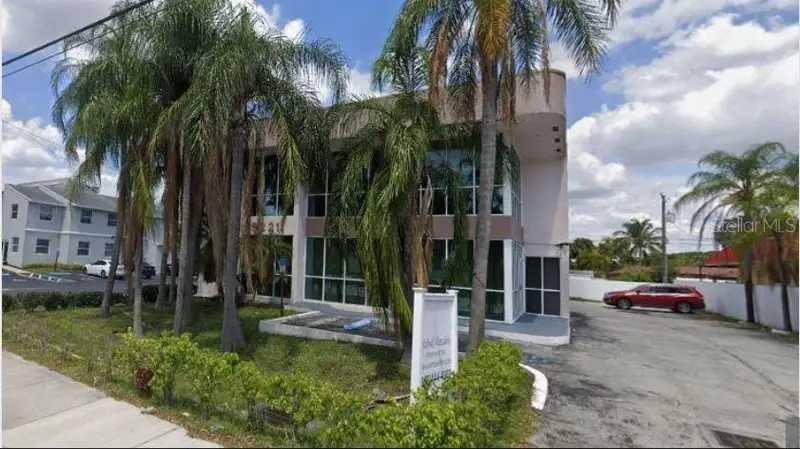
$1.00M
6221 W Atlantic Blvd
Margate, FL 33063
3,717 SF · 0.27 ac · Built 1991
Hammon Heights Sec 2 34-46 B
MLS #O6260950, KELLY RIGHT REAL ESTATE.
Listing provided by Stellar MLS
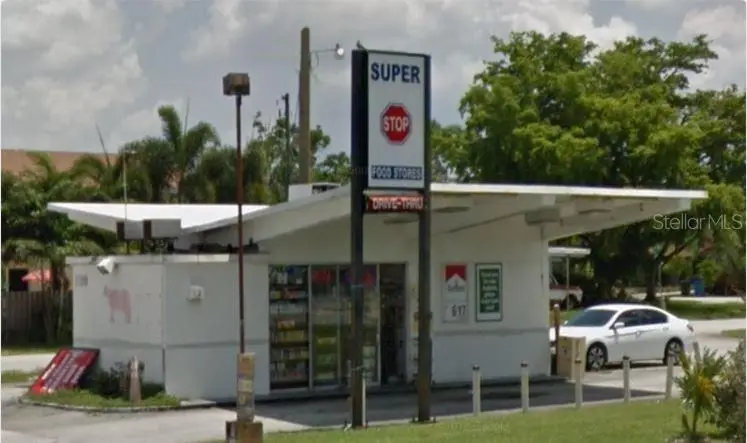
$950K
4420 Ne 1st Ter
Oakland Park, FL 33334
1,124 SF · 0.12 ac · Built 1960
North Andrews Gardens 2nd Add
MLS #O6250293, KELLY RIGHT REAL ESTATE.
Listing provided by Stellar MLS
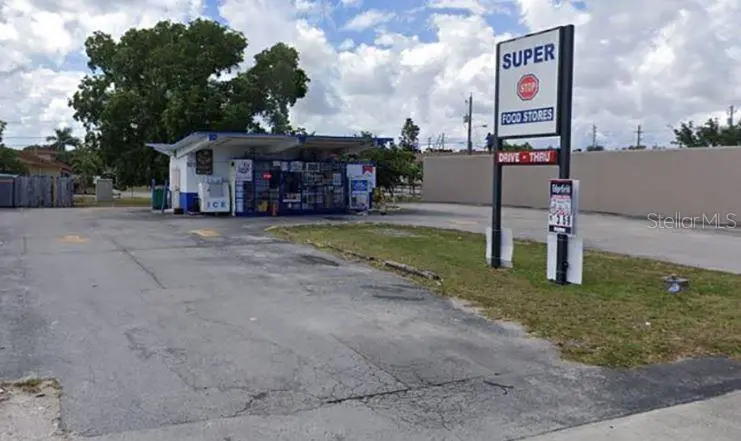
$900K
1621 N Cypress Rd
Pompano Beach, FL 33060
954 SF · 0.44 ac · Built 1970
Westfield Sec B 41-33 B
MLS #O6251159, KELLY RIGHT REAL ESTATE.
Listing provided by Stellar MLS
Listings courtesy of Stellar MLS as distributed by MLS GRID. Data deemed reliable but not guaranteed.
Fort Lauderdale Specialist
Ready to Invest in Fort Lauderdale?
Schedule a free consultation with our Fort Lauderdale commercial real estate team.
Fort Lauderdale Investment Consultation
Tell us your investment goals and we'll identify the right Fort Lauderdale opportunities for you.