Commercial Land Development & Investment
Commercial Land for Development & Appreciation
Own land with proven development potential in Central Florida's fastest-growing corridors — Orlando, Tampa, Space Coast. We've already done the zoning, entitlement, and infrastructure homework.
✓ Zoning & entitlement research done • ✓ 3–5% annual appreciation • ✓ Flexible exit strategies
Live Land & Development Sites
Vacant land and development parcels across Central Florida — live from Stellar MLS, straight through MaxLife. Search the full inventory on the map.

$72.00M
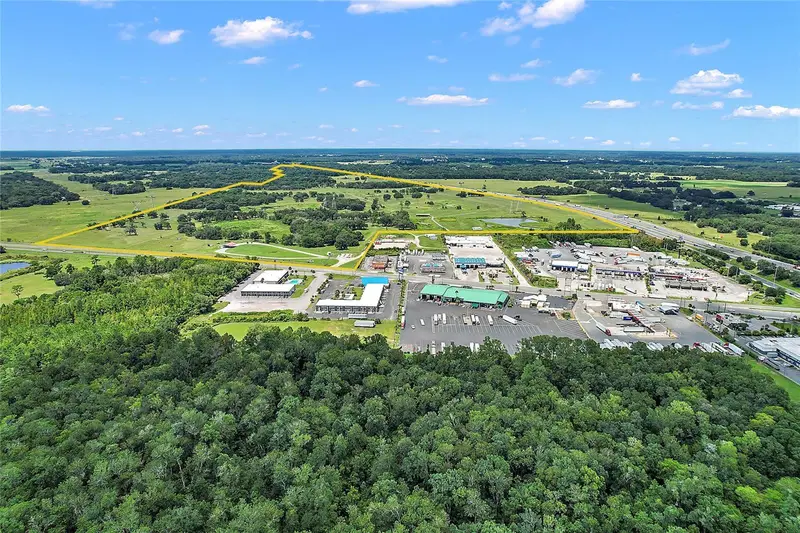
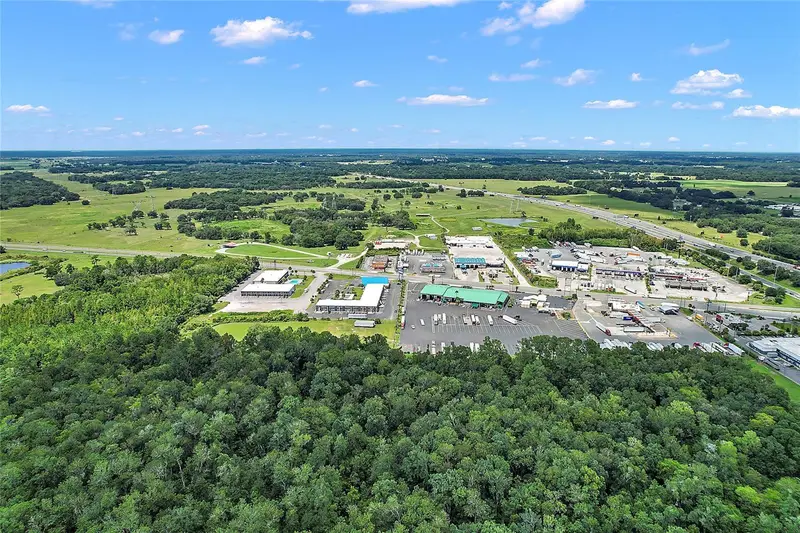
412 E State Road 44
Wildwood, FL 34785
315 ac
MLS #G5086973, GRIZZARD COMMERCIAL REALESTATE.
Listing provided by Stellar MLS
$32.00M
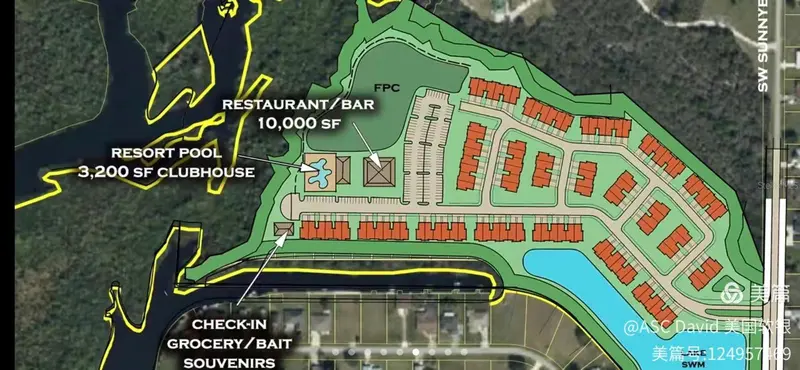
Sw Sunnybreeze Rd
Arcadia, FL 34269
157.19 ac
Peace River Highlands Ltd Mino
MLS #C7524295, COLDWELL BANKER SUNSTAR REALTY.
Listing provided by Stellar MLS
$26.73M
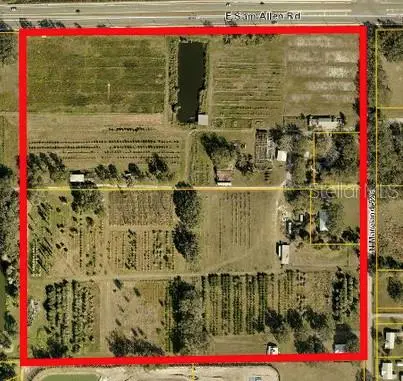
3201 N Maryland Ave
Plant City, FL 33565
38.19 ac
Unplatted
MLS #TB8474312, ACE REALTY & AUCTION LLC.
Listing provided by Stellar MLS
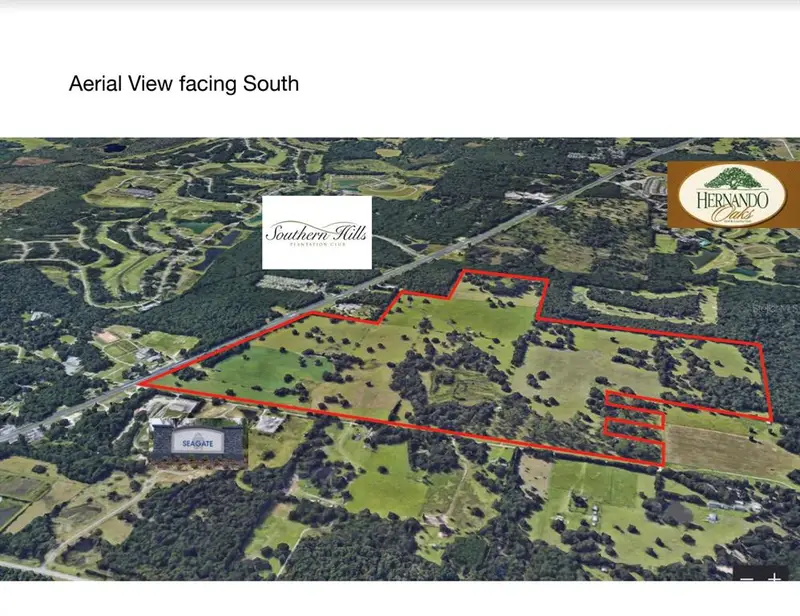
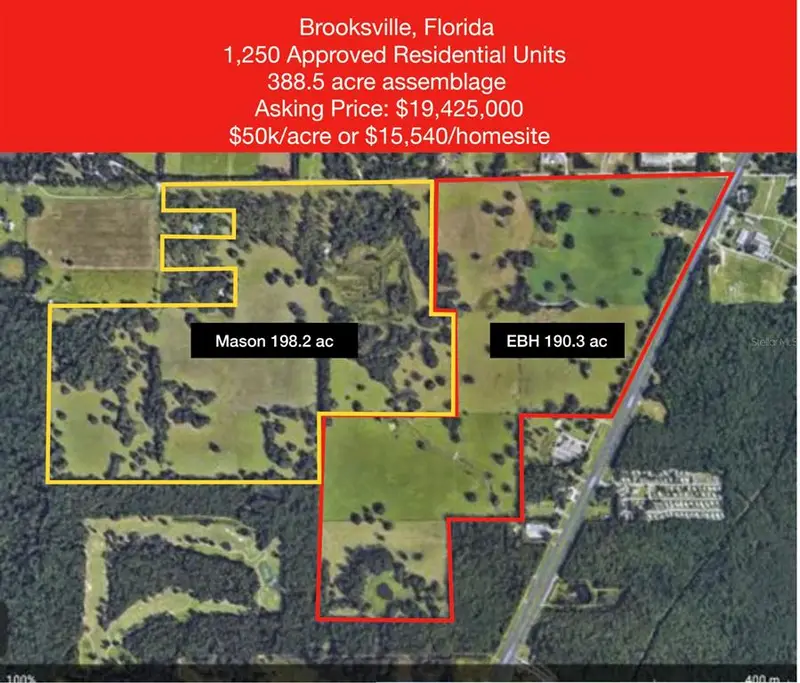
$26.13M
Broad
Brooksville, FL 34601
388.5 ac
MLS #W7848748, TOMMIE DAWSON REALTY.
Listing provided by Stellar MLS
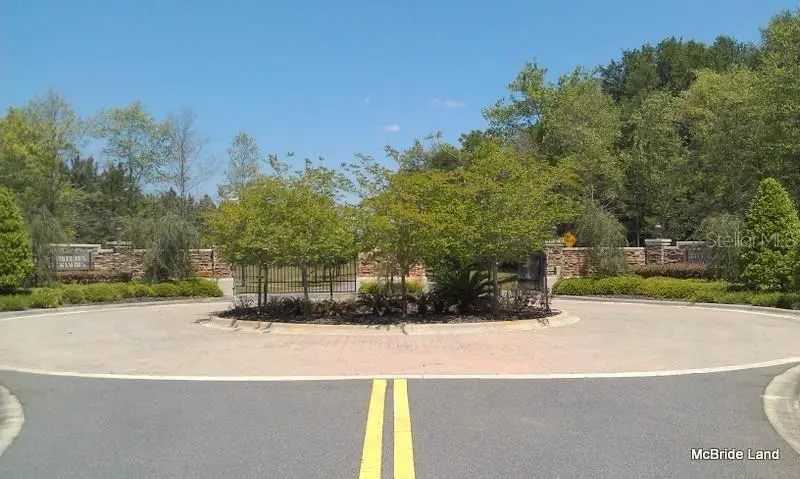
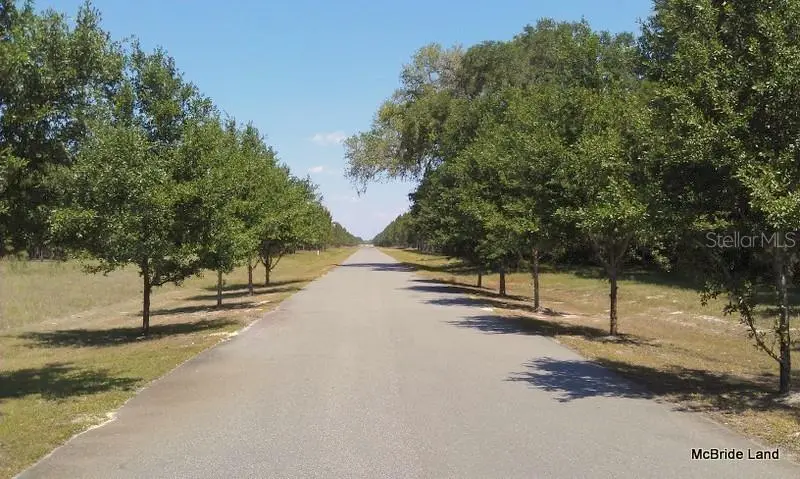
$25.00M
17001 Sw Highway 484
Dunnellon, FL 34432
986.8 ac
Blue Run Ranches
MLS #OM647614, MCBRIDE LAND & DEV CO.
Listing provided by Stellar MLS
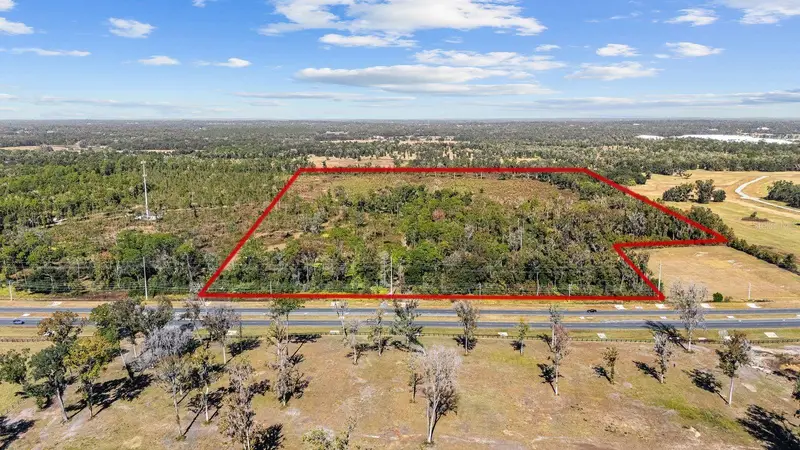
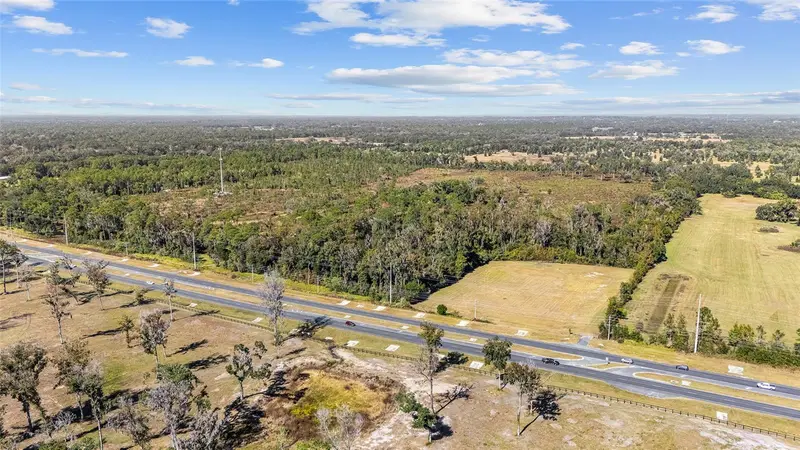
$24.16M
1 Petition #4261-1
Ocala, FL 34481
80.54 ac
MLS #OM714679, PEGASUS REALTY & ASSOC INC.
Listing provided by Stellar MLS
Listings courtesy of Stellar MLS as distributed by MLS GRID. Data deemed reliable but not guaranteed.
Why Land Investors Choose Appreciation & Optionality
No Active Management
You own land, not a building. No tenants to manage, no repairs, no operating expenses, no surprise bills. True passive ownership with minimal ongoing responsibilities.
Learn More →Strong Appreciation
Central Florida land appreciates 3–5% annually. Development-ready land appreciates 4–6% due to de-risked timeline. Compound that over a 5–10 year hold and watch wealth grow without active management or capital recycle.
Learn More →Flexible Exit Strategies
Hold for appreciation and sell, develop yourself, or sell to a developer. Land gives you optionality — you're not locked into one outcome. Adapt your strategy as markets evolve.
Analyze Options →The Land Investment Advantage
Passive Appreciation Without Building Risk
Building ownership comes with structural risk, obsolescence, and constant capital expenditure (roof, HVAC, parking lot resurfacing). Land has none of that. Your only responsibilities are property taxes and insurance. You benefit from market-driven appreciation as the market values the land higher over time — often due to zoning changes, nearby development, or market growth. Pure appreciation without operational risk.
- ✓ No building obsolescence risk
- ✓ No major capex surprises
- ✓ No tenant replacement risk
- ✓ Only taxes + insurance costs
Development Upside & Optionality
Land held in high-growth markets (Orlando, Tampa, Space Coast) offers multiple outcomes. If the market warms, sell to a developer at a premium. If you have capital and expertise, develop it yourself. If you're patient, hold 10+ years while the area grows around it. Land is not locked into one outcome like a stabilized property is. You choose your exit as conditions change.
- ✓ Sell for appreciation (easiest)
- ✓ Develop yourself (highest return)
- ✓ Sell to developer (quick liquidation)
- ✓ Hold for long-term growth (lowest risk)
Types of Development Land
Shovel-Ready Development
All zoning, permits, and approvals already in place. Infrastructure ready (utilities, roads). You break ground immediately. Lowest risk, shortest timeline, lowest potential returns. Ideal for developers with capital ready to deploy.
- ✓ All permits approved
- ✓ Infrastructure in place
- ✓ Build within 6–18 months
- ✓ Lower development risk
Development-Entitled Land
Zoning and entitlements approved, but infrastructure or permits pending. 12–24 month timeline. Medium risk, higher returns. Requires patience and regulatory expertise. Popular with experienced developers.
- ✓ Zoning approved
- ✓ Entitlements in hand
- ✓ Build within 12–24 months
- ✓ Medium development risk
Raw Land (Development Potential)
Unzoned or agricultural land with development potential. Requires comprehensive entitlement process (18–36+ months). High risk, highest return potential. Needs skilled land planners and regulatory consultants. For experienced, well-capitalized investors.
- ✓ Zoning must be obtained
- ✓ Entitlements process required
- ✓ 18–36+ month timeline
- ✓ Highest development risk/return
Investment Land (Hold Period)
Land held for appreciation without active development. Typically in high-growth markets (Orlando, Tampa, Space Coast). You hold 3–10 years, land appreciates 3–5% annually, then sell or develop. Lower active risk, moderate returns, good for patient investors.
- ✓ Minimal active management
- ✓ 3–5% annual appreciation
- ✓ Sell or develop at exit
- ✓ Lower operational risk
Land Investment FAQs
Why invest in land instead of improved properties?
Land offers two distinct advantages: (1) appreciation without management burden — you don't own a building, so no tenant management, repairs, or operating expenses; (2) development optionality — you can hold for appreciation, develop yourself, or sell to a developer. Land is also highly financeable when zoning/entitlements are in place. Returns come from appreciation (3–5% annually in growth markets) and potential development upside.
What types of land should I consider as an investor?
Four main categories: Shovel-Ready Development (all permits done, highest price, lowest risk, 6–18 month timeline), Development-Entitled Land (zoning approved, some permits pending, 12–24 months, medium risk), Raw Land (must obtain zoning, 18–36+ months, highest risk/return), and Investment Land (held for appreciation without active development, low management, 3–10 year hold). Choose based on your capital, timeline, and risk tolerance.
How much appreciation should I expect from Florida land?
Central Florida (Orlando, Tampa, Space Coast) has seen 3–5% annual land appreciation historically due to population growth, corporate relocations, and infrastructure expansion. Development-ready land typically appreciates 4–6% annually because zoning and entitlements are de-risked. Raw land can see higher appreciation (5–8%) once zoning is obtained. Our analyzer lets you model different appreciation rates based on your submarket.
What's the difference between raw land and development-ready land?
Raw land requires you to obtain zoning and entitlements — a 18–36+ month process with regulatory, environmental, and infrastructure risk. Development-ready land has zoning and entitlements already approved, so you can move to construction immediately (6–18 months). Raw land is cheaper but riskier and slower. Development-ready commands a premium but de-risks the timeline and regulatory process. Choose based on your expertise and timeline.
How do I calculate returns on a land investment?
Land returns are simple: (Future Property Value − Total Investment Cost) ÷ Total Capital Invested = Total Return. This gives you your multiple over your hold period. Our analyzer shows year-by-year appreciation, total IRR, and equity multiple based on your assumptions about future property values and development timeline. Include all holding costs (property taxes, insurance, utilities during development) in your calculations.
Can I finance land purchases?
Yes. Banks finance development-ready land at 60–75% LTV (loan-to-value) at favorable rates (currently 5.5–7.5%). Raw land is harder to finance because of entitlement risk — you may find 40–50% LTV only. Seller financing is common for land. You'll need 25–50% down depending on land type and your credit. Our analyzer shows required down payment and cash-on-cash return based on your financing assumptions.
Ready to Invest in Commercial Land?
Use our Land Deal Analyzer to evaluate appreciation potential, development costs, and long-term returns. Get started in 2 minutes.
Analyze a Land DealShare your development timeline, budget, and target market — we'll surface relevant parcels.