
Gas Station & C-Store Investments
Gas Station & C-Store Properties in Florida
Tightest cap rates in specialty CRE, backed by investment-grade C-store credit in the fastest-growing state in America
Florida C-store pads are arguably the most tightly priced specialty NNN assets in the country. Wawa, 7-Eleven, RaceTrac, and Buc-ee's ground leases regularly trade inside a 5.0% cap rate — backed by investment-grade credit, 20-year primary terms, and a state that leads the nation in population growth. Whether you're placing a 1031 exchange, building a net-lease portfolio, or hunting aggressive cost-seg tax shelter, Florida fuel pads are among the most durable income-producing assets in commercial real estate.
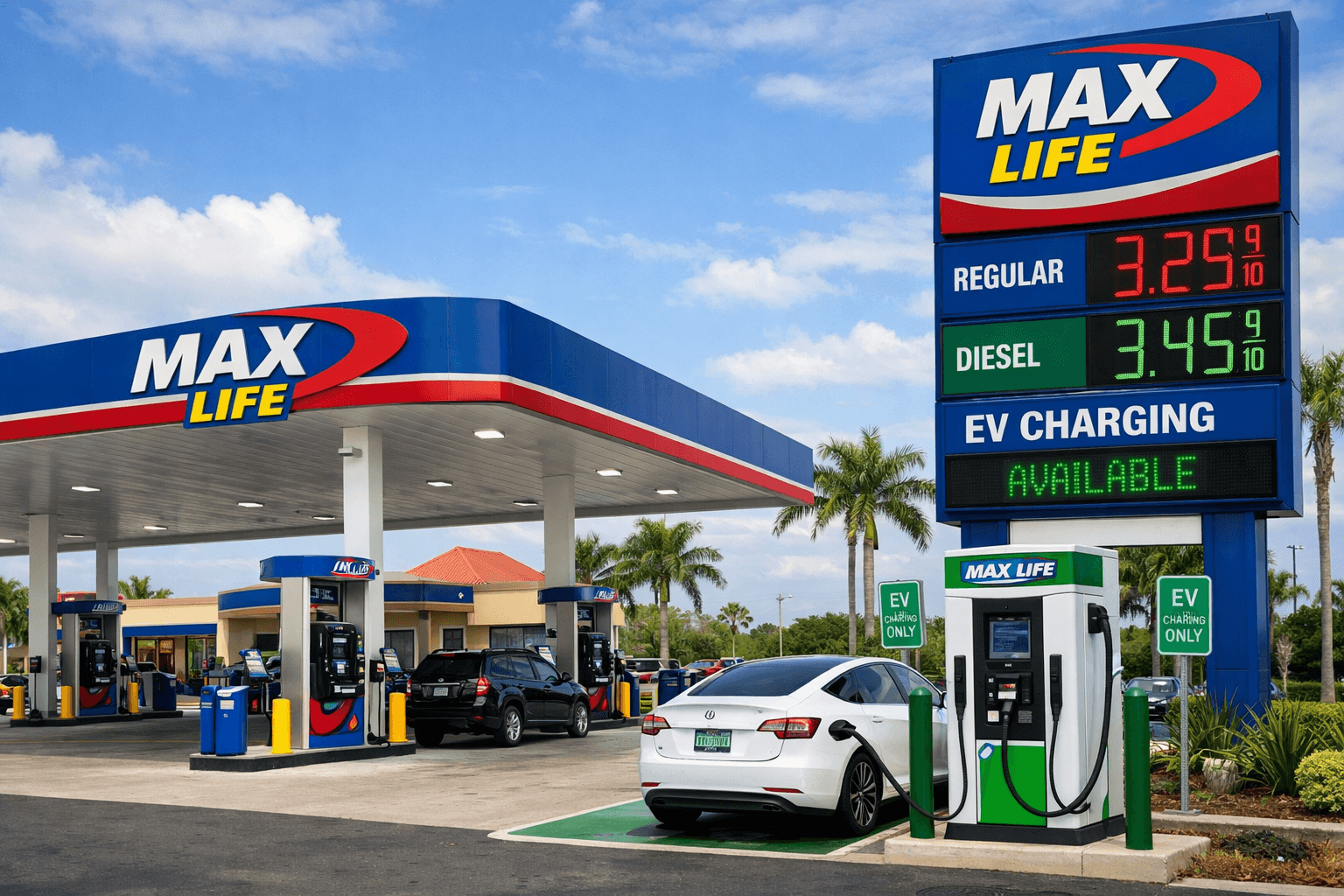
Typical Deal Size
$3M – $15M+
Single-site pads; travel centers and auto-malls push higher
Common Cap Rate
4.5% – 6.5%
Corporate-credit C-store to branded franchise
Avg. Lease Term
15 – 25 yrs
Primary term + 4–6 renewal options
Inside Sales / Day
$4.5K – $9K
Typical modern Florida C-store performance
Gas Station Property Formats
Not every gas station trades at the same cap rate. Tenant credit, lease structure, and site format all drive pricing — here are the six formats active in Florida today.
Corporate Credit C-Store w/ Fuel
Wawa, 7-Eleven, Buc-ee's, QuikTrip and similar investment-grade operators. Tightest pricing in specialty CRE — effectively a ground-lease alternative backed by billion-dollar balance sheets.
Branded Franchise Fuel Pad
Circle K, Shell, Mobil, Chevron, BP, Sunoco. Franchise operator with major fuel-brand supply agreement. Deeper buyer pool than unbranded independents.
Independent / Unbranded Fuel + C-Store
Owner-operator or local chain with unbranded fuel supply. Higher yield, weaker lease guarantees, and often bundled with an operating business sale.
Travel Center / Truck Stop
Pilot Flying J, Love's, TA, Buc-ee's large-format. High diesel throughput, DEF, restaurant, and truck parking. Institutional product with interstate-corridor exposure.
Ground Lease (Fee Simple Dirt)
Landlord owns the land only; tenant builds and maintains everything above grade. Used by Wawa, 7-Eleven, and RaceTrac — cleanest specialty-CRE structure in existence.
EV Charging + Convenience
Emerging format: high-speed DCFC charging bays with a premium convenience/food offering. Tesla Supercharger, Electrify America, and convenience operators are rolling out Florida sites now.
Why Florida Fuel Demand is Structurally Bullish
Population growth, tourism, tax structure, and weather combine to give Florida C-stores something most markets don't have: twelve months of volume with durable demand tailwinds across every cycle.
#1 State for Population Growth
Florida added more net new residents than any other state three years running. More residents, more vehicles, more miles driven — the denominator under every fuel and C-store P&L in the state.
No State Income Tax — More Disposable Spend
Florida's no-income-tax structure boosts household discretionary spend. Inside-store basket size (the profit engine of a modern C-store) runs 10–20% above the national average.
130M+ Annual Visitors
Tourism layers institutional fuel demand on top of resident traffic. Orlando alone sees 75M+ visitors a year, most arriving by car or rental, all filling up multiple times during their stay.
Hurricane & Evacuation Fuel Cycles
Every named-storm event drives a massive pre-storm fuel demand spike followed by 2–4 weeks of elevated post-storm consumption as power restoration and rebuilding activity ramps. It's a recurring, structurally bullish demand pattern.
No Winter Shutdown
Unlike northern markets that lose Q1 to weather, Florida C-stores operate at full throughput every month of the year. Fuel volumes and inside sales never take a seasonal dip.
Snowbird & RV Demographics
Seasonal snowbird populations, RV travel, and boating culture create specialty fuel demand for diesel, marine gas, non-ethanol premium, and DEF — all higher-margin product than regular unleaded.
Gas Station Investing: Pros & Cons
An honest look at both sides so you can decide if this asset class fits your portfolio strategy.
Why Buy
Tightest Specialty Cap Rates
Corporate-credit C-store ground leases trade inside 5% — some of the tightest pricing in specialty CRE. The closest thing to a Treasury bond the NNN market offers.
Ground Lease Structures Available
Wawa, 7-Eleven, RaceTrac and others prefer 15–25 year ground leases. Landlord owns the dirt only; the tenant builds, maintains, insures, and eventually hands back an improved pad.
Inside Sales Dwarf Fuel Margin
Modern C-stores earn 60–75% of gross profit from inside sales (food, coffee, beverages, tobacco, lottery). Fuel is a traffic driver, not the margin engine — which stabilizes tenant credit.
Long Lease Terms & Bumps
Typical primary term of 15–25 years plus four to six 5-year renewal options. Rent bumps are normally 10% every 5 years or CPI-linked — inflation protection built into the income stream.
Bonus Depreciation Power-House
Canopies, fuel pumps, USTs, site work, and pad improvements often allocate 35–50% of purchase price to 15-year and 5-year property through cost segregation — one of the most aggressive tax-shelter asset classes in CRE.
Recession-Defensive Demand
Fuel is non-discretionary and C-store inside sales proved resilient through 2008, 2020, and every Florida hurricane. Down-cycle volumes typically dip less than 5%.
Consolidation Tailwinds
7-Eleven (Speedway), Couche-Tard (Circle K), ArcLight (Pilot Flying J), EG America, and Casey's are all active consolidators. Multi-billion-dollar balance sheets are chasing the same Florida pads you are.
What to Watch
Environmental Exposure (USTs)
Underground storage tanks, fuel dispensers, and decades of drips create real environmental liability. Phase I ESA is mandatory; Phase II testing is standard; tank integrity reports are non-negotiable.
Remaining Lease Term Risk
Value compresses sharply as you approach the last 5–7 years of lease term. The appraiser's residual value assumption is where gas-station deals live or die.
Purpose-Built Reuse Challenge
A decommissioned fuel pad has narrow reuse options. QSR, auto service, or car wash conversions are possible but expensive once tanks are pulled and the canopy removed.
EV Transition Headline Risk
Electrification narrative is real but slow-moving. Florida EV adoption is well behind California. Underwrite the transition carefully — don't ignore it, but don't overweight it.
Operator Credit Variance
A Wawa lease and an independent unbranded lease are both 'gas stations.' Tenant credit is the single biggest determinant of cap rate and resale liquidity in this asset class.
Narrow Lender Pool
Environmental risk means fewer lenders, lower LTVs (typically 55–70%), and wider debt spreads than a comparable retail NNN. Plan on a specialty-CRE lender or SBA 7(a) program.
Who Gas Stations Are Best Suited For
Gas station NNN and ground leases aren't for every investor — but for the right profiles, they're arguably the most durable net-lease product on the market today.
1031 Exchange Buyers
Big Exchange Absorption
Exchange buyers needing to place $3M – $20M+ of proceeds into a single clean NNN deal before the 180-day clock expires.
Why It Fits
A Wawa or 7-Eleven ground lease absorbs a big exchange in one transaction with institutional-grade credit and a 20-year runway.
Passive Income Investors
Mailbox Money
Investors who want truly passive NNN income with zero landlord responsibilities — no roof, no parking lot, no environmental monitoring.
Why It Fits
Ground lease structures put every above-grade obligation on the tenant. It's the most passive asset class in CRE, full stop.
High-Income W-2 Earners
Cost Seg Heavy
Doctors, executives, and business owners using bonus depreciation on equipment-heavy assets to shelter active income.
Why It Fits
Gas station cost seg studies routinely allocate 35–50% of purchase price to accelerated-depreciation buckets — the most generous allocation in specialty CRE.
Family Offices & Trusts
Multi-Decade Hold
Multi-generational allocators targeting inflation-protected income with low management burden and minimal re-leasing risk.
Why It Fits
20-year primary terms plus renewal options with built-in bumps align perfectly with family-office duration mandates.
Operator-Owners
Portfolio Builders
Existing C-store dealers and franchisees assembling portfolios of their own sites across high-growth Florida corridors.
Why It Fits
Owning the real estate under your operating business builds long-duration wealth and hedges against future franchise renegotiations.
REITs & Institutional Funds
Scale Buyers
Net-lease REITs (Spirit, Agree, Realty Income, Getty, Four Corners) and private funds building scaled C-store portfolios.
Why It Fits
Corporate-guaranteed Wawa / 7-Eleven / Circle K leases underwrite cleanly against portfolio-level credit metrics.
Major C-Store & Fuel Operators Expanding in Florida
These are the national and regional C-store operators most actively acquiring, developing, or ground-leasing new sites across the Florida market today. Most institutional NNN opportunities come from this group.
Wawa
Private, investment-grade. Gold-standard Florida C-store. 300+ FL sites and growing; their ground leases are the tightest product in the market.
7-Eleven / Speedway
World's largest C-store chain (Seven & i Holdings). Acquired Speedway in 2021 for $21B. Aggressive Florida sale-leaseback pipeline.
RaceTrac
Private Atlanta-based chain with 800+ stores concentrated in the Southeast. Strong Florida pipeline with modern 6,000+ SF prototype.
Circle K / Couche-Tard
Publicly traded (TSX: ATD). 16,000+ global stores. Franchise + corporate model; most active public consolidator in the category.
Buc-ee's
Texas-based destination C-store with 100-pump forecourts. Florida expansion just kicked off with sites in Daytona, St. Augustine, and more.
QuikTrip
Private Tulsa-based chain aggressively entering Florida. Investment-grade credit and a 5,500+ SF food-forward prototype.
Pilot Flying J
Berkshire Hathaway majority-owned travel center operator. Largest interstate fuel network in North America.
Love's Travel Stops
Private Oklahoma-based travel center chain. 600+ locations; major Florida interstate corridor expansion.
Casey's General Stores
Publicly traded (NASDAQ: CASY). Midwestern C-store chain now expanding into the Southeast.
EG America
PE-backed (TDR Capital) consolidator of Cumberland Farms, Kwik Shop, and dozens of regional brands.
GPM Investments (Arko)
Publicly traded (NASDAQ: ARKO) C-store consolidator with 1,400+ stores and multiple Florida banner acquisitions.
Shell / Mobil / Chevron / BP
Major-oil branded franchises supplied under long-term fuel agreements. Franchise operator holds the lease; major oil holds the brand.
Note: credit quality and lease structure vary meaningfully across operators. Always underwrite the specific tenant and lease guarantor, not just the brand on the canopy.
Florida's Most Active C-Store Submarkets
Where the deal flow is heaviest right now. These submarkets combine population growth, tourism, interstate traffic, and active operator pipelines.
Orlando MSA
I-4 corridor, tourist traffic, theme park feeder roads, and explosive Lake / Osceola / Seminole growth. The state's most active C-store ground-lease market.
Tampa Bay / St. Pete
I-75, I-275, I-4 interchange. Massive commuter + tourist fuel demand with a Wawa and 7-Eleven pipeline measured in dozens of sites.
Jacksonville
I-95 / I-10 crossroads, port traffic, logistics growth. High diesel throughput and strong travel-center fundamentals.
Miami / Broward / Palm Beach
Dense urban fuel demand, tourism, and luxury-retail-adjacent pads. Premium site values; tightest cap rates in the state.
Southwest Florida (Naples / Fort Myers)
Retiree growth, seasonal snowbird surge, and post-hurricane rebuild fuel demand. Buc-ee's target market.
Space Coast / Brevard
SpaceX / NASA growth, I-95 corridor, and coastal residential sprawl from Melbourne to Titusville.
EV Charging Integration
The Gas Station of the Future is Already Being Built in Florida
Electric vehicle charging isn't a threat to C-store real estate — it's the single biggest value-add opportunity in the category. Modern Florida fuel pads are being built EV-ready, and every major C-store operator has an active DCFC partnership. Here is who's building what, and how to underwrite it.
C-Store Operators Are Now EV Partners
Wawa, 7-Eleven, Circle K, and RaceTrac all have active DCFC rollouts — either branded (7Charge) or in partnership with Tesla, Electrify America, and EVgo. Modern Florida C-store pads are being built 'EV-ready' with conduit and transformer capacity pre-installed.
Charging Dwell Time = Inside Sales Opportunity
A DCFC session runs 15–40 minutes — dramatically longer than the 4-minute average gas fill-up. Longer dwell time drives higher inside-sales basket size on food, beverages, and snacks. Charging is a C-store profitability amplifier, not a cannibalizer.
Florida NEVI Funding Pipeline
Florida is receiving $198M in federal NEVI funding (National Electric Vehicle Infrastructure program) to build DCFC stations every 50 miles along I-95, I-75, I-4, I-10, I-295, and the Florida Turnpike. Existing C-store pads on those corridors are prime NEVI host candidates.
Utility Interconnect is the Gating Item
The pace of EV charging deployment is constrained by utility transformer upgrades, not by canopy or pump hardware. 4-pump DCFC installations require 1–4 MW of new service — verify Duke / FPL / TECO interconnection timelines before underwriting EV conversion value.
Cap Rates Still Settling
Dedicated EV charging real estate is trading 5.5%–7.0% on credit-tenant leases (Tesla, EVgo, ChargePoint). Combined C-store + charging pads price tighter because they underwrite on the C-store's P&L with charging treated as option value.
EV Charging is a Land-Use Play
For C-store landlords, adding DCFC creates a future-proofing moat. A pad with charging infrastructure retains value even if fuel volumes decline over the next 15–20 years. Pure fuel-only pads with no EV-ready infrastructure face the most residual-value risk.
Major EV Charging Networks in Florida
The charging networks building out Florida pad sites either standalone or co-located with existing C-store operators.
Tesla Supercharger
Largest and most reliable DCFC network in the world. Opening to non-Tesla vehicles via NACS. Premium Florida site pipeline — Wawa and 7-Eleven partnerships already live.
Electrify America
VW-funded open network; 150–350 kW DCFC bays. Aggressive Florida rollout along I-95, I-75, I-4, and Turnpike with Walmart and Target pads as primary host sites.
EVgo
Publicly traded (NASDAQ: EVGO). Urban + highway DCFC network. Partnerships with Wawa, 7-Eleven, Chevron, and Meijer for co-located charging-plus-retail sites.
ChargePoint
Publicly traded (NYSE: CHPT). Largest networked charging platform — both Level 2 and DCFC. Strong presence in Florida municipal and workplace deployments.
Shell Recharge
Shell's branded EV charging network. Co-located at Shell-branded C-store pads and standalone destinations. Backed by global Shell infrastructure.
bp pulse
BP's global EV charging brand, growing fast in the US via the TravelCenters of America (TA) acquisition. Interstate-corridor focus aligns with travel centers.
Mercedes-Benz Charging
Luxury-branded DCFC network launching across North America with 350 kW bays and premium amenities. First Florida sites coming online now.
Ionna
Joint venture of BMW, GM, Honda, Hyundai, Kia, Mercedes, and Stellantis. 30,000 charge ports planned by 2030. Premium amenities and canopy-covered bays.
The EV-Ready Diligence Checklist
When buying a Florida C-store pad today, these four items decide whether the site captures EV value or loses residual value to newer competitors over the next 10–15 years.
- ✓Conduit runs from electrical room to canopy / parking
- ✓Transformer + switchgear capacity for 1–4 MW service
- ✓Utility interconnection study filed with FPL / Duke / TECO
- ✓Site plan zoning permits DCFC canopy + bay conversion
Key Gas Station Underwriting Metrics
The numbers experienced C-store buyers stress-test before closing. Use these as benchmarks when you review an offering memorandum or operator P&L.
Monthly Fuel Gallons
Florida benchmark: 125K – 250K gallons/month for a healthy pad. Top Wawa / Buc-ee's sites push 400K+.
Inside Sales Per Day
Modern Florida C-stores: $4,500 – $9,000/day inside sales. Food-service conversion is the single biggest profitability lever.
Fuel Margin (CPG)
National retail fuel margin has structurally expanded from 15¢ to 35¢+ per gallon over the last decade.
Inside Gross Profit %
Inside sales mix typically generates 30 – 38% gross margin vs. ~8% on fuel — why inside sales drive store profitability.
Food Service % of Inside
Best-in-class: food service drives 25 – 35% of inside sales. Drives basket size, frequency, and lunch-daypart traffic.
Rent Coverage (EBITDAR)
Target 3.0x+ rent coverage on the tenant P&L. Below 1.75x is a red flag on any non-credit guarantor.
Remaining Lease Term
Value is stable through year 10 of a 20-year lease, then compresses ~30 – 50 bps per year of runoff below 10 years.
Tank & Canopy Age
UST remaining useful life, double-wall compliance, Stage II vapor recovery status, canopy structural condition.
Environmental (Phase I / II)
Phase I ESA mandatory; Phase II testing standard on any site 20+ years old or with prior release history.
Environmental & UST Diligence
The Six-Item Diligence Checklist
Environmental exposure is the single biggest differentiator of gas station investing. Done right, it's manageable and priced in. Done wrong, it's a career-ending liability. Never close a fuel pad without completing all six of these items.
Phase I ESA
Always. No exceptions. Document search, site walk, prior-use review. Identifies recognized environmental conditions (RECs).
Phase II (If REC Identified)
Soil borings, groundwater sampling, and lab analysis to characterize any suspected release. Typical cost: $15K – $60K.
FDEP Cleanup Status
Verify Florida DEP discharge history and cleanup-program status (PCPP, ATRP, NFA closure letters). Request full file review.
UST Integrity & Age
Tank age, double-wall compliance, cathodic protection, leak detection equipment, and most recent tightness tests.
Environmental Insurance
Pollution legal liability (PLL) policy is standard — typically $1M – $5M coverage with 10-year term. Seller often pays.
Indemnity From Tenant
Lease should require tenant indemnification for all environmental conditions arising during their occupancy.
Interactive Underwriting
Sample Florida Gas Station Deal Pre-Loaded
Below is a representative Central Florida Wawa-style ground lease already loaded into our deal analyzer — a $6.5M NNN ground-lease deal with a credit C-store operator at a 5.0% entry cap. Adjust any input to stress-test returns, DSCR, IRR, and equity multiple in real time.
Property Type
Property & Revenue
Financing
Hold Period & Exit
When you sell, will the market be hotter, the same, or cooler than today? This determines your exit cap rate and sale price.
Conservative — you assume the market cools and buyers pay less per dollar of income. This is the safer assumption most lenders and institutional investors use.
Overall Deal Grade
C
IRR
4.36%
★★★★★Insufficient return
DSCR
0.91x
★★★★★Negative cash flow risk
Cash-on-Cash
-0.11%
★★★★★Near zero cash flow
Equity Multiple
1.55x
★★★★★Solid equity growth
Cash Flow Analysis
NOI vs Debt Service vs Cash Flow by year
Equity Buildup
How your equity grows: loan paydown + cash flow + appreciation
Rent Schedule
Annual NOI growth over hold period
Loan Paydown
Remaining loan balance over hold period
Income & NOI
- Year 1 EGI
- $325,000
- Year 1 OPEX
- $0
- Year 1 NOI
- $325,000
- Entrance Cap Rate
- 5.00%
- Yield on Cost
- 5.00%
- 10-Yr Total NOI
- $3,558,659
Financing
- Purchase Price
- $6,500,000
- Down Payment
- $2,275,000
- Total Equity Invested
- $2,352,250
- Loan Amount
- $4,225,000
- Monthly Payment
- $29,861
- Annual Debt Service
- $358,337
- DSCR
- 0.91x
Exit & Returns
- Exit Cap Rate
- 5.50%
- Exit Year NOI
- $396,173
- Exit Value
- $7,203,149
- Selling Costs (3%)
- $216,094
- Loan Payoff
- $3,322,261
- Net Sale Proceeds
- $3,664,793
- Total Profit
- $3,640,082
Save or share
Email me this underwriting summary
Get the full metrics in your inbox — forward to lenders, partners, or yourself.
Benchmark Comparison
| Metric | Your Deal | Benchmark | Status | Insight |
|---|---|---|---|---|
| IRR | 4.36% | > 12% strong | FAIL | Below target for illiquid real estate |
| DSCR | 0.91x | > 1.25x lender min | FAIL | Below lender minimum — refinancing risk |
| Cash-on-Cash | -0.11% | > 6% target | FAIL | Low cash yield — appreciation play |
| Equity Multiple | 1.55x | > 2.0x strong | WATCH | Modest total return |
| Yield on Cost vs Exit Cap | 5.00% | 5.50% exit cap | WATCH | Buying above exit cap — assumes compression |
Suggested Offer Price
What to pay for this to be a great deal — backed into from Year 1 NOI and your financing terms so the deal meets a 1.25x DSCR lender requirement on day one.
$4,716,230
Suggested Price
at 1.25x DSCR
$6,500,000
Current Asking Price
$1,783,770
You Save
27.4%
Discount Off Asking
Deal Metrics at Suggested Price
| Metric | At Suggested | vs Current | Status | What This Means |
|---|---|---|---|---|
| DSCR (Year 1) | 1.25x | +0.34x | PASS | Bank-ready — meets standard lender minimum |
| Entrance Cap Rate | 6.89% | +1.89% | PASS | Higher yield = more income per dollar invested |
| Year 1 Cash-on-Cash | 3.79% | +5.20% | WATCH | Modest income — grows with rent bumps |
| Down Payment | $1,650,681 | -$624,319 less | SAVINGS | $1,650,681 down + $65,655 closing = $1,716,336 total cash to close |
| Loan Amount | $3,065,550 | -$1,159,450 | $21,667/mo | $3,065,550 loan at 7.00% = $21,667/mo debt service |
Offer $4,716,230 (27.4% below asking) to hit 1.25x DSCR. You'd need $1,650,681 down vs $2,275,000 today — saving $624,319 in equity. Monthly payment drops from $29,861 to $21,667.
Sensitivity Matrix
Exit value at different cap rate and NOI growth combinations
| Exit Cap / Growth | 0% Growth | 1% Growth | 2% Growth | 3% Growth | 4% Growth |
|---|---|---|---|---|---|
| 4.00% | $8,125,000 | $8,975,055 | $9,904,330 | $10,919,321 | $12,026,985 |
| 4.50% | $7,222,222 | $7,977,826 | $8,803,849 | $9,706,063 | $10,690,653 |
| 5.00% | $6,500,000 | $7,180,044 | $7,923,464 | $8,735,456 | $9,621,588 |
| 5.50% | $5,909,091 | $6,527,313 | $7,203,149 | $7,941,324 | $8,746,898 |
| 6.00% | $5,416,667 | $5,983,370 | $6,602,886 | $7,279,547 | $8,017,990 |
Green = exit value exceeds purchase price. Red = exit value below purchase price.
Year-by-Year Cash Flows
Metric Glossary
IRR
Internal Rate of Return — the annualized return on every dollar you invest, accounting for timing of cash flows.
Equity Multiple
Total money returned divided by total money invested. 2.0x = you doubled your money.
Cash-on-Cash
Annual cash flow as a percentage of your invested equity. Measures what the property pays you now.
DSCR
Debt Service Coverage Ratio — how many times NOI covers the mortgage. Lenders require 1.25x minimum.
Cap Rate
NOI divided by property value. The return assuming all-cash purchase. Lower cap = higher price.
NOI
Net Operating Income — rent minus operating expenses, before mortgage payments.
Yield on Cost
Year 1 NOI divided by purchase price. The cap rate you created for yourself as a buyer.
Exit Cap
The assumed cap rate when you sell. Higher exit cap = lower sale price (conservative).
For informational and educational purposes only. Not financial or investment advice. Consult a licensed professional before making investment decisions.
Want to underwrite a different asset class? Open the full Deal Analyzer
Live Business & Retail Listings in Florida
Gas stations and c-stores trade in the MLS under its business-opportunity and retail classes — this is that live inventory. Tell us the fuel volume and site profile you want and we’ll source the rest off-market.
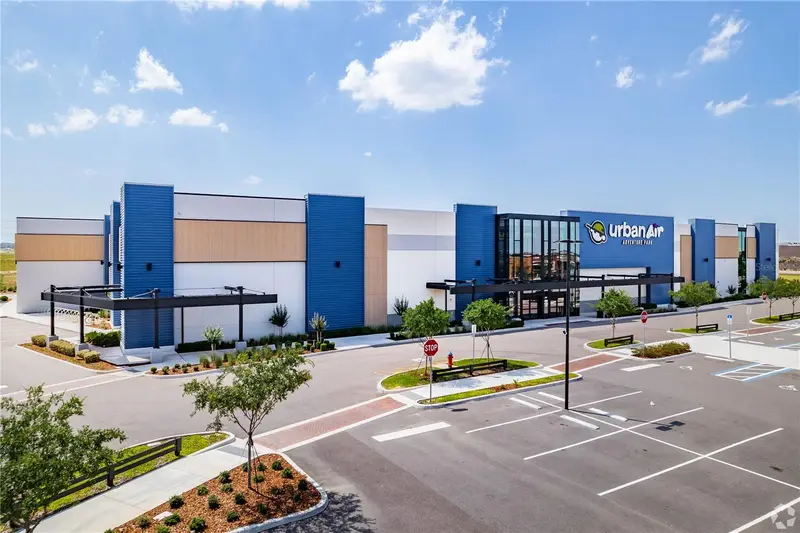
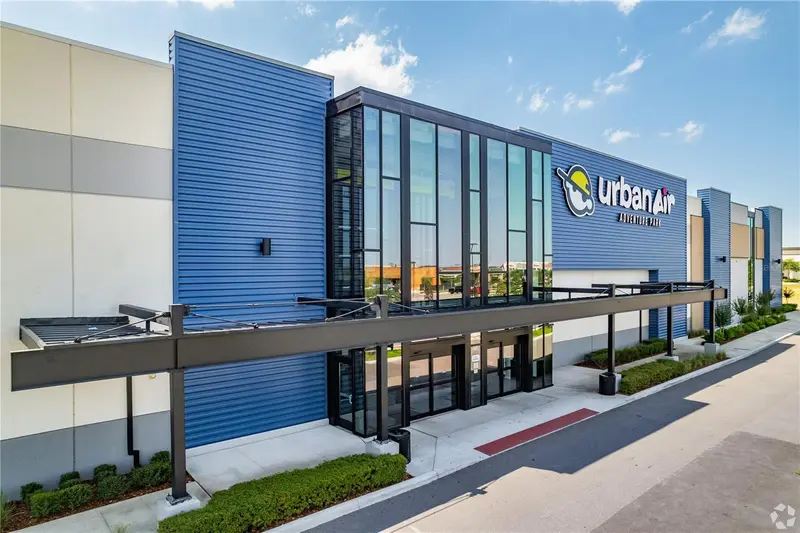

$18.90M
5758 Hamlin Groves Trl
Winter Garden, FL 34787
9.16 ac · Built 2023
Hamlin Southwest
MLS #O6386379, COLDWELL BANKER REALTY.
Listing provided by Stellar MLS
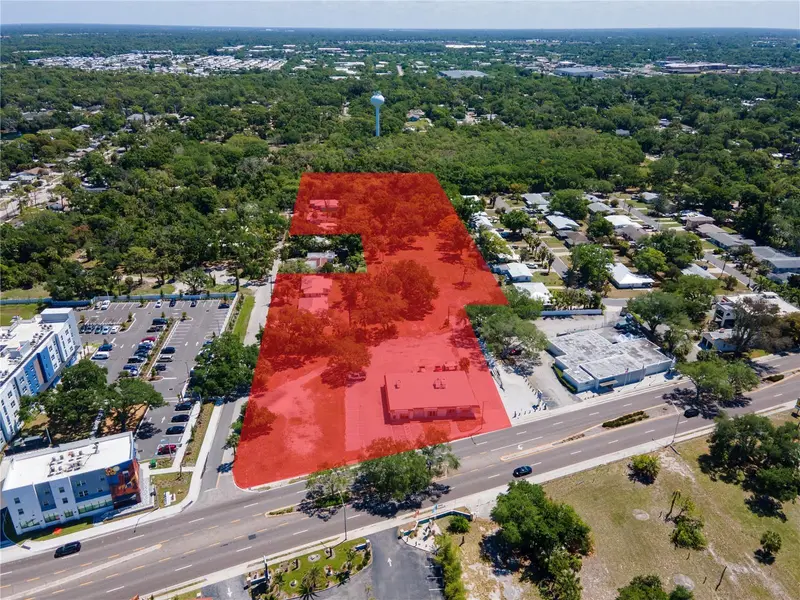
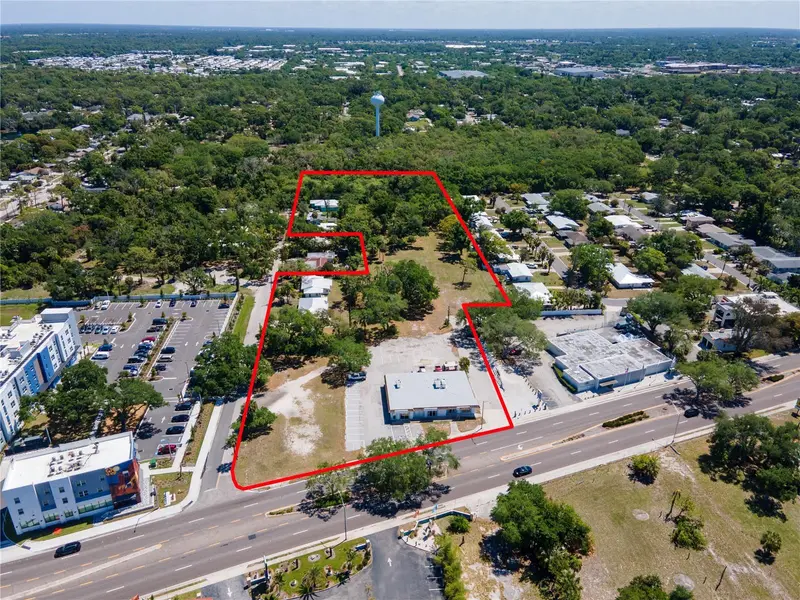
$14.00M
4500 N Tamiami Trl
Sarasota, FL 34234
4,714 SF · 0.55 ac · Built 1973
Phillips John Sub Rep Of
MLS #TB8489540, PEOPLE'S TRUST REALTY.
Listing provided by Stellar MLS
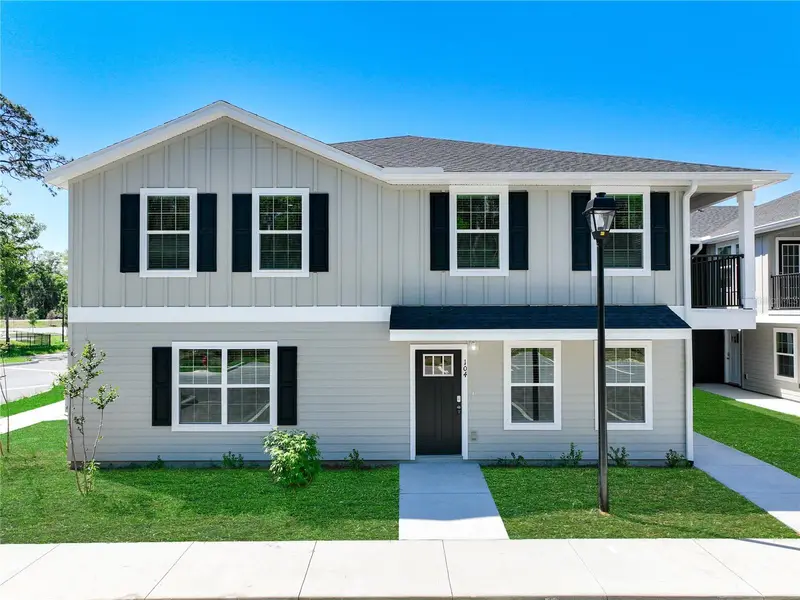
$12.50M
3821 Sw 43rd Ct
Ocala, FL 34474
7.07 ac · Built 2025
MLS #OM709317, SUNCOAST PROPERTY MANAGEMENT L.
Listing provided by Stellar MLS
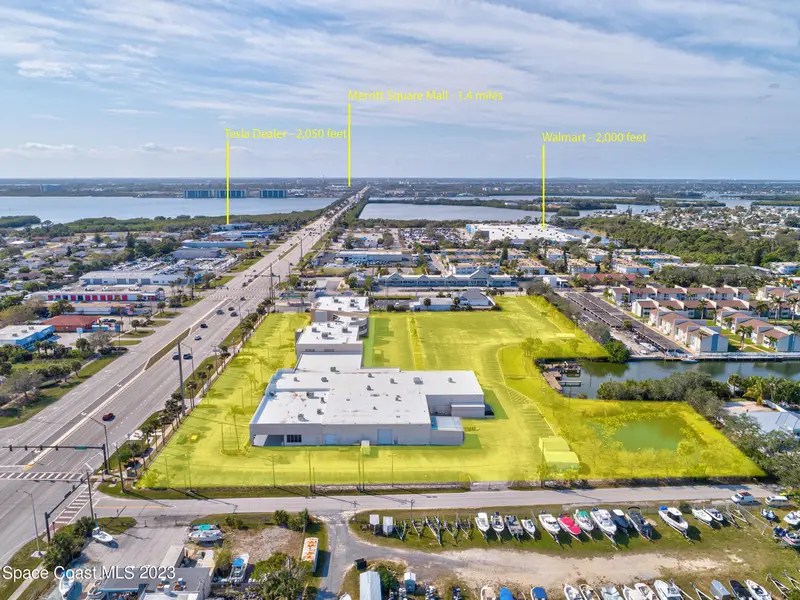
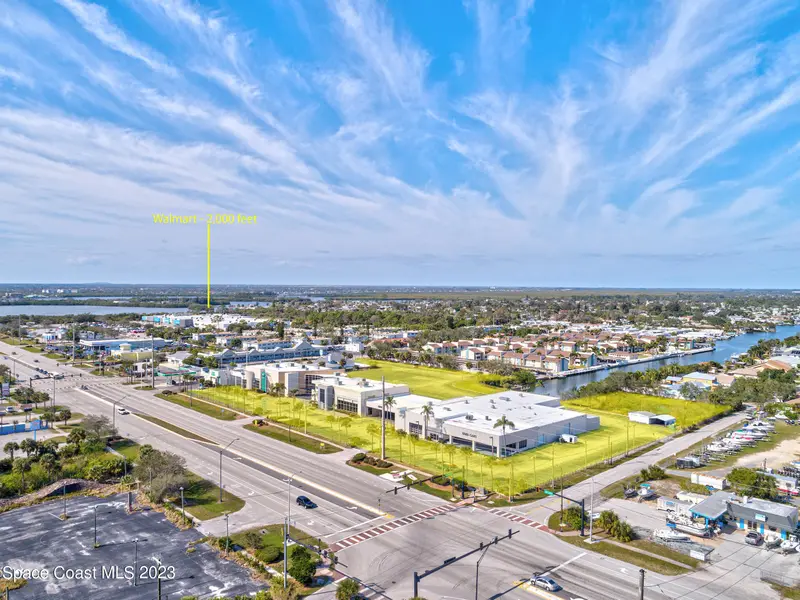
$10.00M
1850 E Merritt Island Causeway, Merritt Island, Fl 32952
Merritt Island, FL 32952
63,125 SF · 6.92 ac · Built 2003
MLS #975630, Perrone Realty, LLC.
Listing provided by Space Coast MLS (Space Coast Association of REALTORS®)
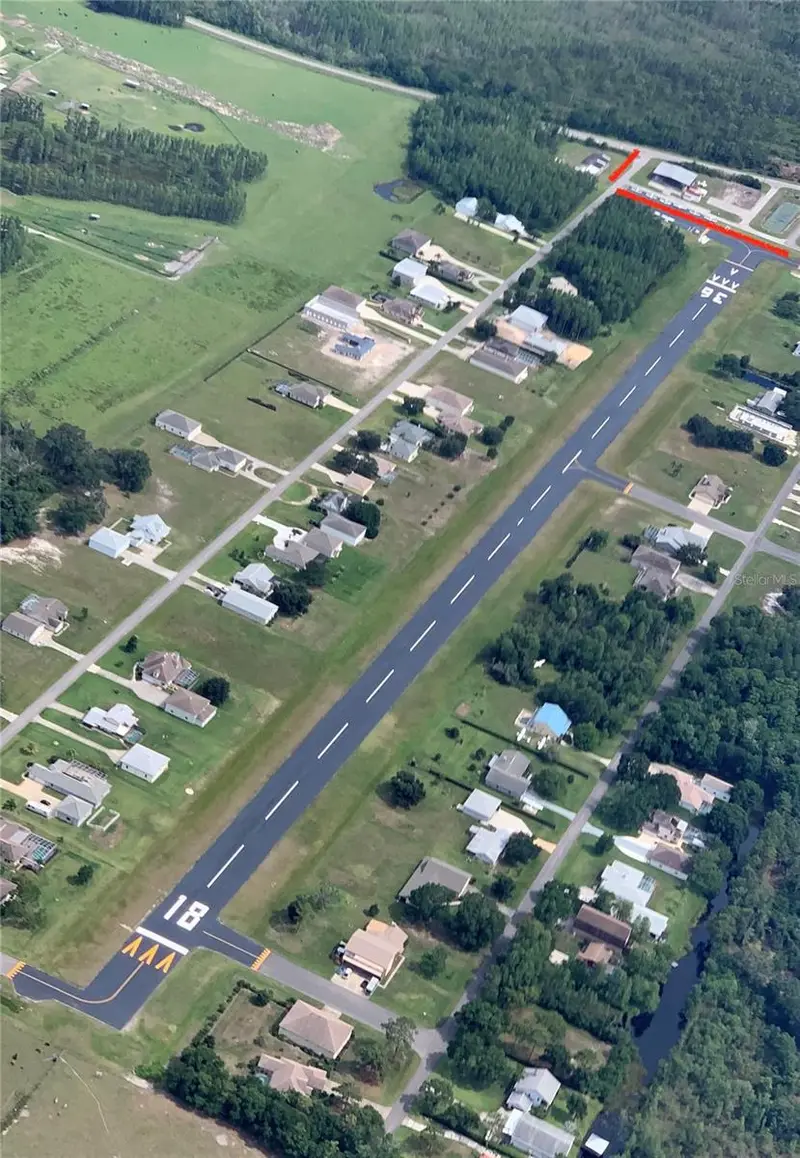

$9.90M
11500 Pilot Country Dr
Spring Hill, FL 34610
10,000 SF · 33.5 ac · Built 1998
Pilot Country Estates
MLS #TB8511456, BOB HATTON REALTY INC.
Listing provided by Stellar MLS
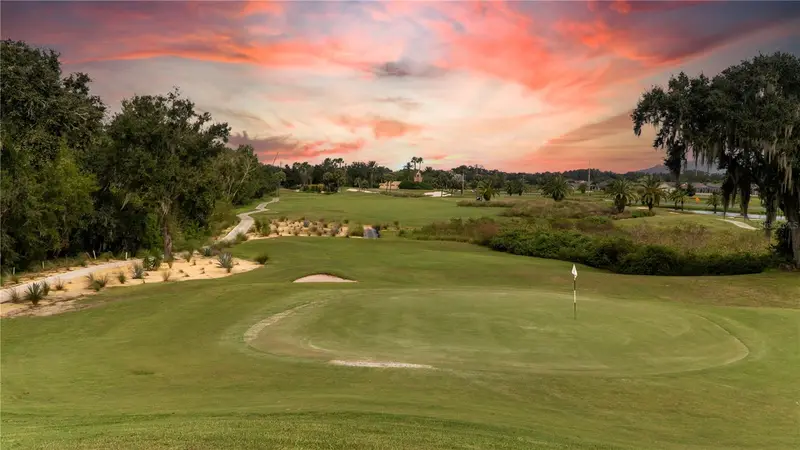
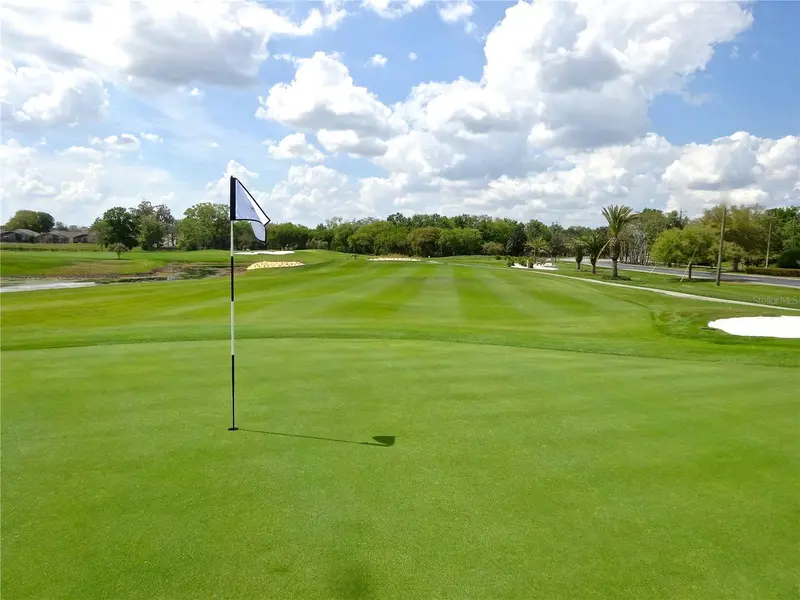
$8.72M
200 Eagle Ridge Dr
Davenport, FL 33837
3,784 SF · 202.72 ac · Built 1994
Ridgwood Lakes Village 3a
MLS #O6426961, AFFINITY REALTY LLC.
Listing provided by Stellar MLS
Listings courtesy of Stellar MLS as distributed by MLS GRID. Data deemed reliable but not guaranteed.
Browse Active Listings
Gas Station Deals on Major CRE Marketplaces
Want to see what's publicly listed right now? These marketplaces aggregate on-market gas station and C-store opportunities across Florida. For off-market deals and broker-direct pocket listings, reach out below.
Crexi
Tech-forward CRE marketplace
Growing inventory of C-store fuel pad and ground-lease listings across every Florida market, with detailed deal rooms and OM downloads.
LoopNet
Largest CRE listings network
The biggest pool of gas station and C-store listings in Florida. Search by city, county, or statewide to see sale price, cap rate, and lease details.
BizBuySell
Operating business listings
Best resource when you want to buy an operating gas station / C-store business (with or without real estate). Includes seller financials and SDE.
The best C-store ground leases rarely hit these marketplaces. If you want access to off-market opportunities being traded between developers, operators, REITs, family offices, and 1031 exchange buyers, tell us what you're looking for.
Frequently Asked Questions
Gas Station Investor FAQ
The questions we get most often from investors evaluating their first (or fifth) gas station / C-store deal.
What's a typical cap rate for a gas station NNN in Florida?
Corporate-credit C-store ground leases (Wawa, 7-Eleven, RaceTrac) trade between 4.5% and 5.5%. Branded franchise fuel pads (Circle K, Shell, Mobil, Chevron) run 5.5% – 6.5%. Independent/unbranded operators trade wider at 6.5% – 8.0%. Travel centers on interstate corridors run 6.0% – 7.5%. Florida is one of the tightest specialty markets in the country because of population growth and tourism.
What's the difference between a ground lease and a fee simple gas station?
On a ground lease, you own only the land; the tenant owns, builds, insures, maintains, and eventually removes the building, canopy, pumps, and tanks. On a fee simple lease, you own everything and the tenant pays NNN rent. Ground leases trade 50–100 bps tighter than fee simple because they push even more responsibility to the tenant — it's effectively a bond on the dirt.
How serious is the environmental liability on a gas station?
It's the biggest diligence item in the asset class and must be addressed head-on. A Phase I ESA is mandatory on every deal. Phase II subsurface testing is common on older sites. Run the FDEP file review, verify UST double-wall compliance and cathodic protection, and require tenant indemnification in the lease. Always buy pollution legal liability insurance at closing. When done correctly, environmental risk is manageable and priced in — that's why gas stations yield 50–150 bps wider than retail NNN with identical tenant credit.
Will EVs kill gas station investments?
Not this decade, and probably not the next either. Florida EV adoption is well below the national average. More importantly, modern C-stores earn 60–75% of gross profit from inside sales (food, coffee, beverages), not fuel margin. A C-store with 100-pump forecourt and a large food-service program is effectively a roadside retail store with fuel as a traffic driver. Operators are also adding DCFC charging bays now — dwell time while charging is a huge inside-sales opportunity. Underwrite the EV transition as a 10–20 year headwind, not an immediate threat.
What's the investment case for EV charging real estate?
Standalone and co-located DCFC charging sites are an emerging specialty CRE category with cap rates settling in the 5.5% – 7.0% range on credit-tenant leases (Tesla, EVgo, ChargePoint, Electrify America). The best opportunities today are combined C-store + DCFC pads — you underwrite the C-store NNN as the primary income and get charging as option value. Pure standalone charging pads are higher-risk because tenant credit, charging demand, and network economics are still maturing. Ground leases to investment-grade networks (Tesla, Shell Recharge, bp pulse, Ionna) are the cleanest entry point.
Should I require EV-ready infrastructure when buying a gas station pad?
Yes, especially for newer builds and renovations. Ask for confirmation that the site has (1) conduit runs from the electrical room to the fuel canopy / parking area, (2) adequate transformer and switchgear capacity for 4–8 future DCFC bays (roughly 1–4 MW), (3) utility interconnection studies already filed with Duke / FPL / TECO. EV-ready infrastructure can cost $200K – $600K to retrofit later but $20K – $50K to rough-in during construction — a massive residual-value differentiator.
Is Florida a strong market for EV charging real estate?
Yes and strengthening. Florida is receiving $198M in federal NEVI funding to build DCFC stations every 50 miles along I-95, I-75, I-4, I-10, I-295, and the Turnpike. Tesla, Electrify America, EVgo, bp pulse, Mercedes-Benz Charging, and Ionna all have active Florida rollouts. EV registrations in Florida are growing faster than the national average from a low base. Tourism demand (rental-car EVs, road-trip charging) layers on top of resident adoption. The state's C-store operators are some of the most aggressive EV-ready developers in the country.
What's the typical lease term for a gas station?
15–25 year primary term is standard, with four to six 5-year renewal options. Rent bumps are typically 10% every 5 years, or CPI-indexed with floor and ceiling. Wawa and Buc-ee's regularly sign 25-year primary terms with 10% bumps every 5 years plus 4x5-year options — a 45-year runway of effective control for the landlord.
How does cost segregation work on a gas station?
A cost seg study on a gas station typically allocates 35–50% of purchase price to 5-year and 15-year property: fuel pumps, canopy, USTs, site work, striping, lighting, signage, and POS equipment. This is one of the most aggressive cost-seg allocations in CRE. For a high-income investor, that can translate into $1M – $4M of first-year bonus depreciation on a $5M–$10M purchase, sheltering huge amounts of active or passive income.
Can I 1031 exchange into a gas station?
Yes. Fee-simple and ground-lease gas stations both qualify as like-kind replacement property for a 1031 exchange (ground leases must have 30+ years of remaining term to qualify). Gas station leasebacks are one of the most popular 1031 replacement assets because a single deal absorbs large exchange amounts ($3M – $25M+), offers long lease terms, and provides institutional tenant credit.
Who owns the underground storage tanks?
On a modern NNN or ground lease, the tenant owns and is responsible for all USTs, dispensers, canopies, and fuel equipment. The landlord owns the land (and, on a fee simple deal, the building shell). Tenant indemnification for environmental conditions is standard. Always confirm lease language assigns UST ownership, compliance, and removal obligations to the tenant.
What does a Wawa ground lease pay per year?
Florida Wawa ground-lease rents typically range from $225K – $350K per year depending on site size, traffic counts, and market. Primary term is usually 20 years with 10% bumps every 5 years and 6x5-year renewal options — a 50-year lease runway at the landlord's option.
Are gas stations a good investment today?
For the right investor, yes. Corporate-credit C-store ground leases in Florida offer some of the tightest, most durable cap rates in specialty CRE, backed by investment-grade tenants in the fastest-growing state in the country. They're not a fit for buyers who need yield above 6%, can't underwrite environmental diligence, or need maximum reuse optionality — but for 1031 buyers, passive income investors, and high-income earners chasing cost seg, they are as close to a cash-flow Treasury bond as CRE gets.
Is This You?
Quick Fit Check
If you nod “yes” to three or more of these, a gas station or C-store ground lease likely deserves a slot on your shortlist.
You want truly passive NNN or ground-lease income from an investment-grade tenant.
You're on a 1031 exchange clock and need $3M – $25M of replacement property in one transaction.
You value institutional tenant credit (Wawa, 7-Eleven, RaceTrac) over chasing maximum yield.
You can underwrite environmental diligence and are comfortable with Phase I / Phase II ESA workflows.
You want aggressive bonus depreciation and cost-seg allocation to shelter active or passive income.
You're comfortable with a 15–25 year hold and value inflation-protected rent escalations.
See Available Gas Station Properties
Tell us about your investment criteria — target brand, cap rate, deal size, 1031 timing, and geography — and we'll send you current Florida gas station and C-store opportunities that match, on market and off.
Related Resources
NNN Properties Florida
Explore every triple net lease format trading in Central Florida, not just gas stations.
Learn more →Car Wash Properties Florida
Sister-asset landing page for Florida express tunnel car washes — often stacked with gas station pads.
Learn more →1031 Exchange Florida
Replace property with qualifying CRE — including gas station ground leases — before your 45/180-day deadlines.
Learn more →Orlando Cap Rates Investor Guide
A data-driven look at current cap rate trends by property type across the Orlando MSA.
Learn more →Deal Analyzer
Underwrite any NNN, multifamily, or SFR deal with institutional-grade metrics.
Learn more →Special Purpose Properties
Parent category page covering every specialty CRE asset class — car washes, daycares, churches, and more.
Learn more →