Golf & Country Club Investments
Golf Courses & Country Clubs in Florida
Daily-fee, semi-private, private club, and resort golf real estate — Florida leads the nation with 1,100+ courses
Florida has more golf courses than any other state — over 1,100 courses spanning daily-fee, semi-private, private club, and resort formats. The category represents one of the most land-intensive and operationally complex specialty CRE asset classes. Year-round playability, retiree and snowbird demographics, and world-class tourism give Florida golf a structural advantage over seasonal markets. Deal pricing ranges from distressed daily-fee courses trading at land value ($1M–$5M) to trophy private clubs and resort courses commanding $20M–$100M+. Cap rates are highly variable — 7.0%–10.0%+ for stabilized daily-fee, with private clubs valued on membership economics rather than traditional cap rate analysis.

Typical Deal Size
$1M – $100M+
Distressed daily-fee to trophy private club
Common Cap Rate
7.0% – 10.0%+
Daily-fee stabilized; private clubs valued differently
Avg. Land Area
100 – 250+ acres
18-hole course plus clubhouse and amenities
Golf Course / Country Club Property Formats
Daily-Fee / Public
Open to the public. Revenue driven by green fees, cart rentals, and F&B. Most common acquisition target.
Semi-Private
Membership base plus public tee times. Hybrid revenue model with more predictable cash flow.
Private Club
Initiation fees, dues, and assessments. Valued on membership count, waitlist depth, and brand.
Resort / Destination
Tied to hotel or residential resort. Revenue layered with lodging, spa, real estate sales.
Residential Community Course
HOA-subsidized or bundled with residential lots. Often sold separately when developer exits.
Golf Course / Country Club Investing: Pros & Cons
Golf course real estate offers massive land positions and multiple revenue streams — but operational complexity is real.
Why Buy
Irreplaceable Land Position
100–250+ acres of entitled land in established communities — nearly impossible to replicate under current zoning and environmental regulations.
Multiple Revenue Streams
Green fees, memberships, cart rentals, F&B, pro shop, events, banquets, and real estate development potential.
Redevelopment Optionality
Underperforming courses in growth corridors can be rezoned for residential, mixed-use, or commercial development at significant land-value premiums.
Year-Round Florida Play
No seasonal shutdown — Florida courses generate 12-month revenue while northern courses are dark 4–5 months.
Demographic Tailwinds
Florida's retiree migration, snowbird population, and tourism economy provide durable demand for golf.
What to Watch
Operationally Intensive
Golf courses require experienced management — superintendents, pro shop staff, F&B, events, and ongoing course maintenance.
High Maintenance CapEx
Irrigation systems, greens renovation, bunker rebuilds, clubhouse HVAC, and cart fleet replacement require ongoing capital investment.
Weather & Water Risk
Hurricanes, drought, and water-use restrictions can impact course condition and playability. Insurance costs are significant.
Declining Participation Trends
Golf participation has been flat to declining nationally for two decades, though Florida has outperformed the national trend.
Entitlement Risk on Redevelopment
Rezoning a golf course for development can face fierce community opposition, environmental review, and political challenges.
Who Golf Course / Country Club Is Best Suited For
Land Investors
Redevelopment Play
Investors targeting underperforming courses in growth corridors for residential or mixed-use redevelopment.
Why It Fits
100+ acres of entitled land at golf-course pricing — significant upside if rezoning succeeds.
Hospitality Operators
Resort Integration
Hotel and resort groups adding golf to their destination amenity portfolio.
Why It Fits
Golf-resort bundles drive room rates, group bookings, and real estate sales.
Golf Management Companies
Platform Operators
Troon, ClubCorp, Arcis, Concert Golf — management companies building scale.
Why It Fits
Operating expertise turns underperforming courses into cash-flowing assets.
High-Net-Worth Buyers
Trophy Assets
Wealthy individuals acquiring private clubs or resort courses as legacy investments.
Why It Fits
Trophy golf real estate in premier Florida markets holds generational value.
Key Golf Course / Country Club Underwriting Metrics
Golf course underwriting combines hospitality-style operating analysis with land valuation and membership economics.
Rounds Per Year
Florida benchmark: 35,000–50,000 rounds/year for 18-hole daily-fee. Below 30,000 signals distress.
Revenue Per Round
Includes green fee, cart, range, F&B, and pro shop. Florida daily-fee averages $45–$85 all-in.
Maintenance Cost Per Hole
Typical Florida course: $50K–$100K+ per hole annually for turf, irrigation, and grounds.
Clubhouse Condition
Clubhouse renovation can cost $2M–$10M+. Assess deferred maintenance before closing.
Water Rights & Irrigation
Florida courses depend on irrigation — verify water use permits, reclaimed water access, and well capacity.
Membership Economics
Private clubs: initiation fee, monthly dues, F&B minimum, assessment history. Waitlist depth signals demand.
Browse Live Business Opportunity Listings
The MLS files golf course / country club under its business opportunity class, so this is the live inventory closest to what you're after. Tell us the specifics and we'll source the rest off-market.
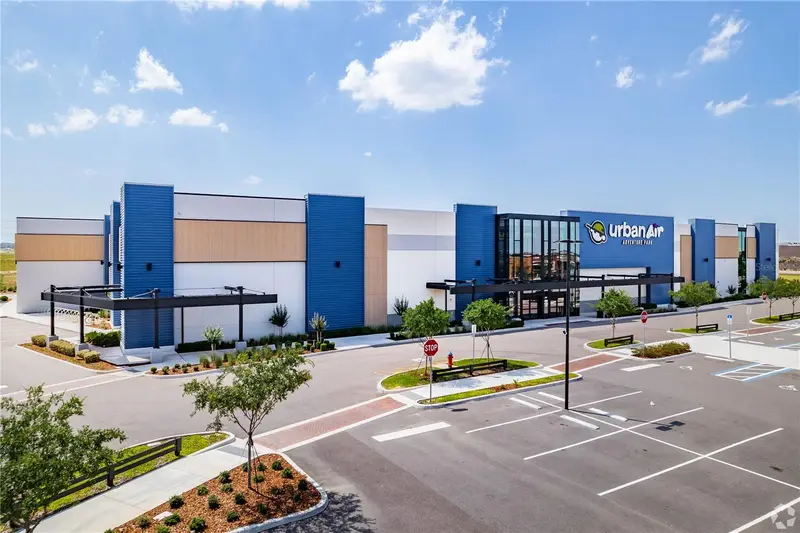
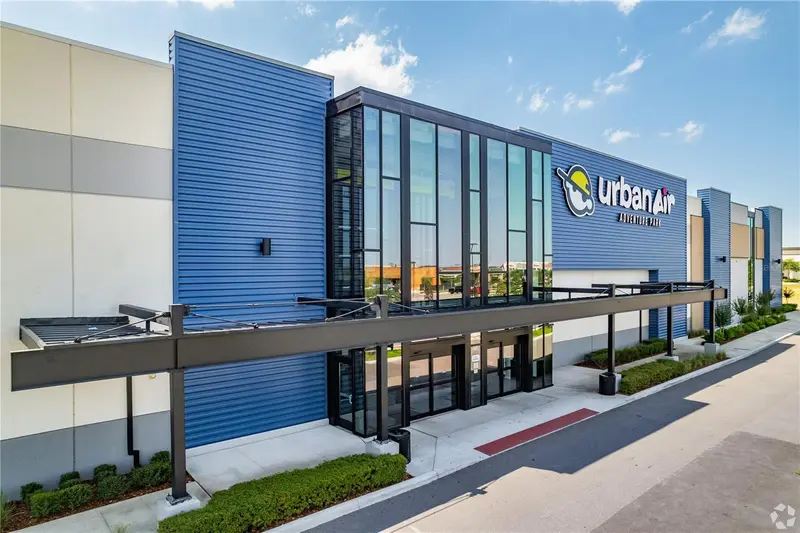

$18.90M
5758 Hamlin Groves Trl
Winter Garden, FL 34787
9.16 ac · Built 2023
Hamlin Southwest
MLS #O6386379, COLDWELL BANKER REALTY.
Listing provided by Stellar MLS
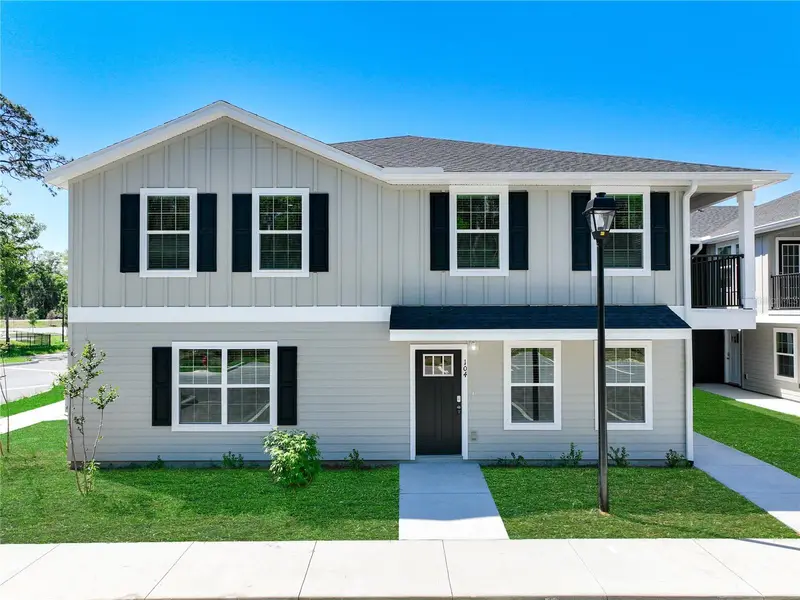
$12.50M
3821 Sw 43rd Ct
Ocala, FL 34474
7.07 ac · Built 2025
MLS #OM709317, SUNCOAST PROPERTY MANAGEMENT L.
Listing provided by Stellar MLS
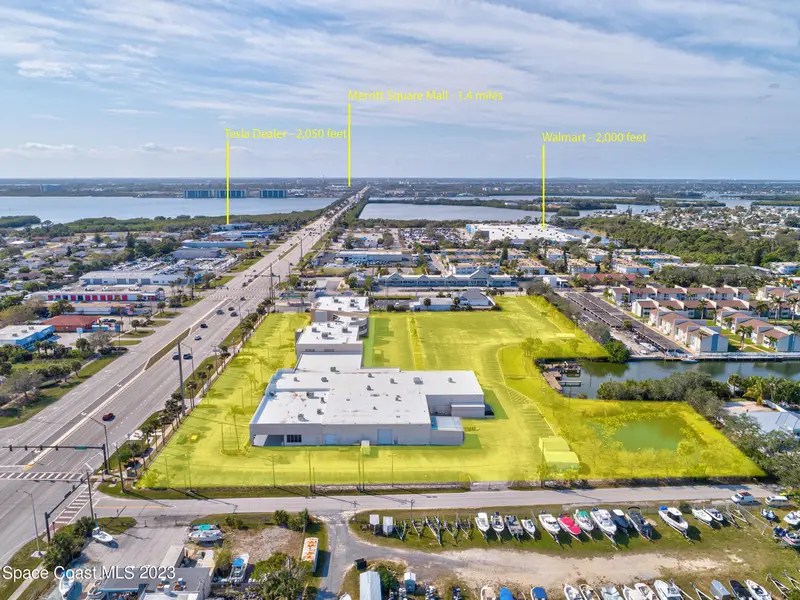
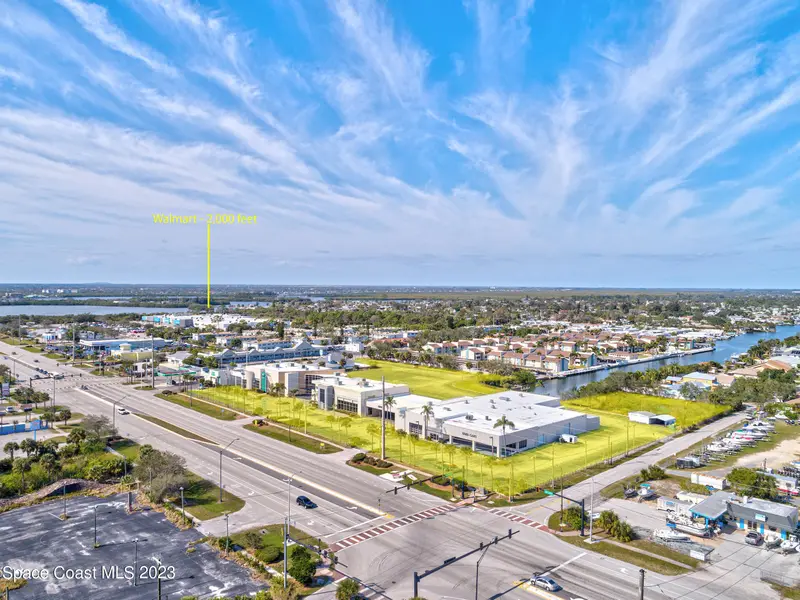
$10.00M
1850 E Merritt Island Causeway, Merritt Island, Fl 32952
Merritt Island, FL 32952
63,125 SF · 6.92 ac · Built 2003
MLS #975630, Perrone Realty, LLC.
Listing provided by Space Coast MLS (Space Coast Association of REALTORS®)
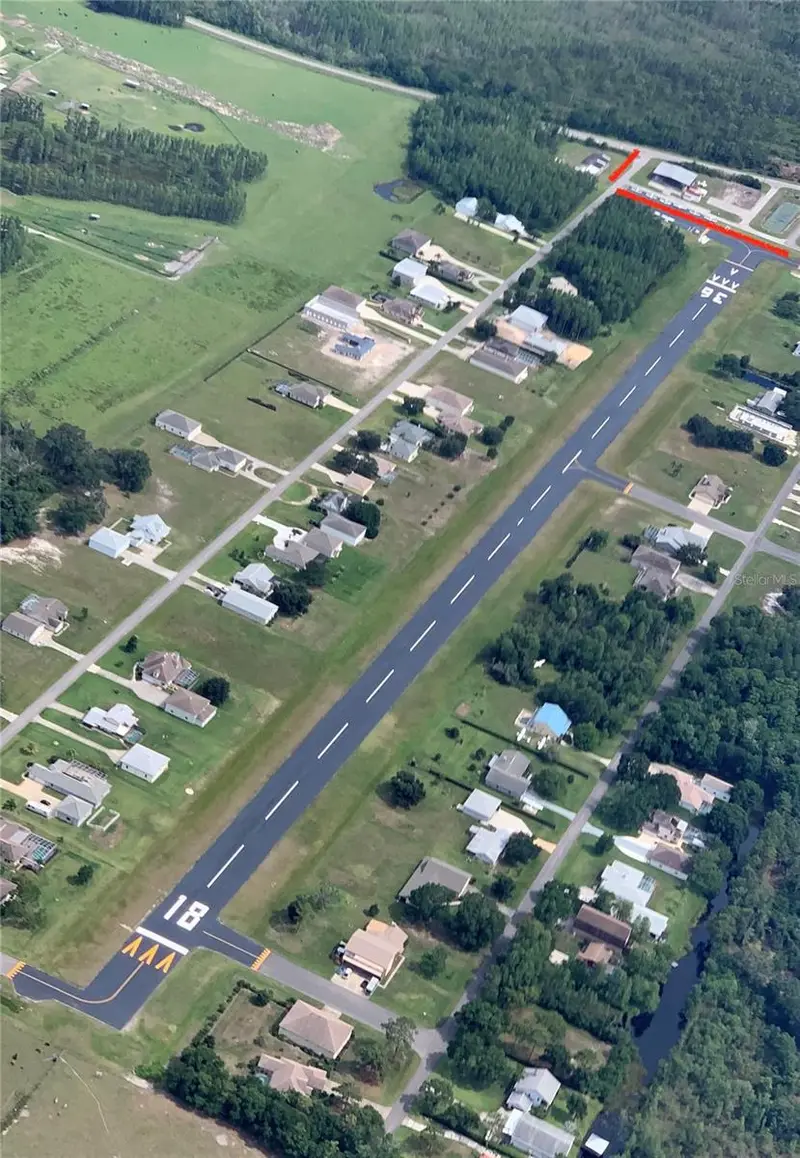

$9.90M
11500 Pilot Country Dr
Spring Hill, FL 34610
10,000 SF · 33.5 ac · Built 1998
Pilot Country Estates
MLS #TB8511456, BOB HATTON REALTY INC.
Listing provided by Stellar MLS
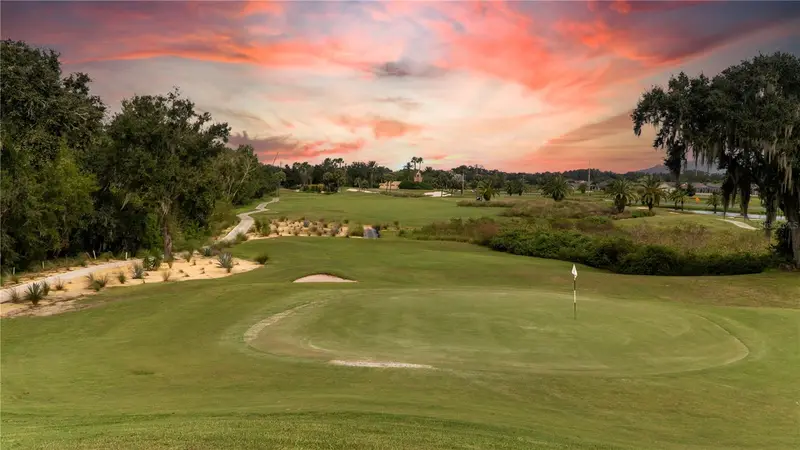
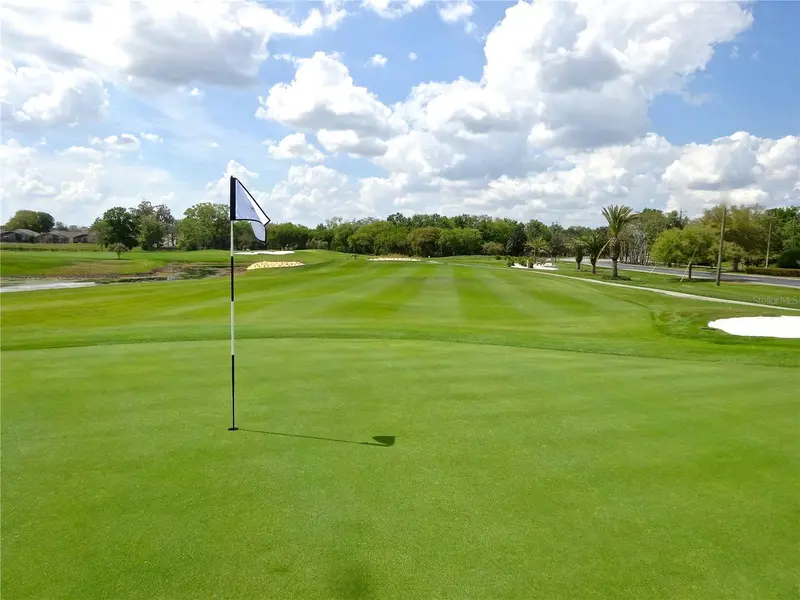
$8.72M
200 Eagle Ridge Dr
Davenport, FL 33837
3,784 SF · 202.72 ac · Built 1994
Ridgwood Lakes Village 3a
MLS #O6426961, AFFINITY REALTY LLC.
Listing provided by Stellar MLS
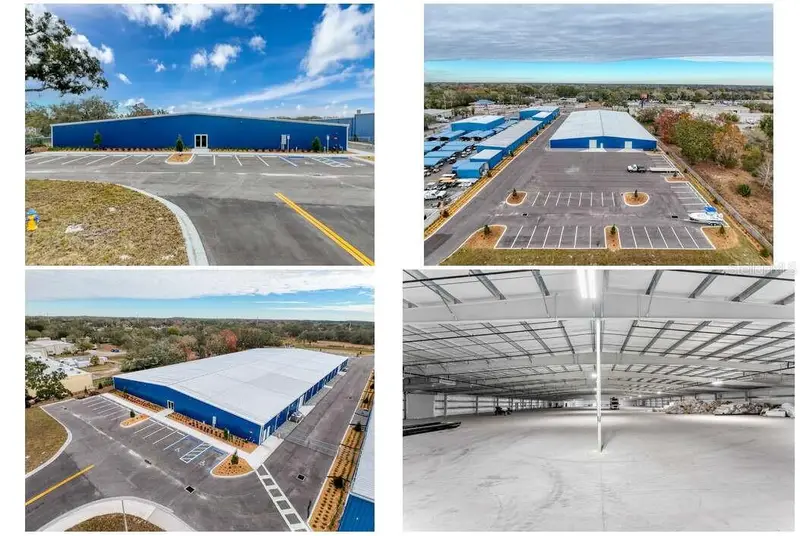
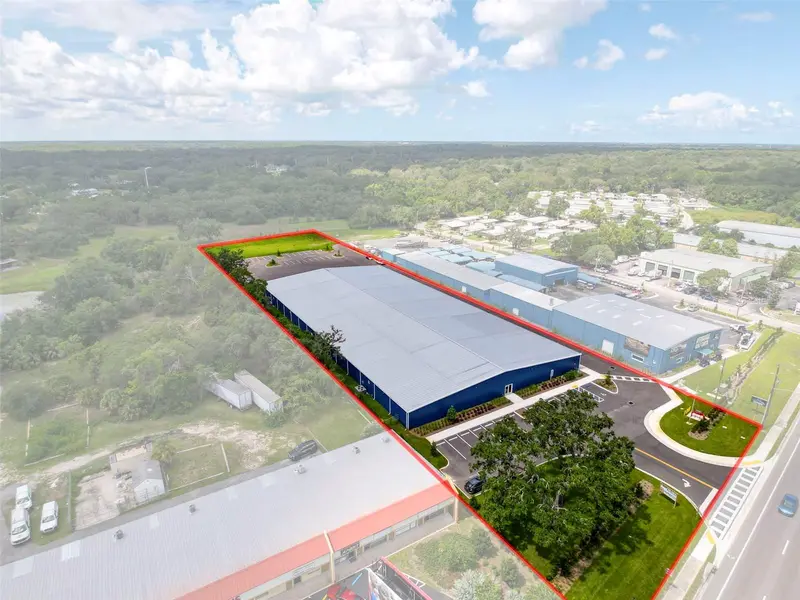
$7.90M
10012 State Road 52
Hudson, FL 34669
4.05 ac · Built 2024
Forest Acres
MLS #W7872144, FLORIDA LUXURY REALTY INC.
Listing provided by Stellar MLS
Listings courtesy of Stellar MLS as distributed by MLS GRID. Data deemed reliable but not guaranteed.
Browse Active Listings
Golf Course / Country Club Deals on Major CRE Marketplaces
Browse active golf course and country club listings across Florida.
Crexi
Tech-forward CRE marketplace
Growing inventory of Florida special-purpose listings.
LoopNet
Largest CRE listings network
The biggest pool of specialty listings in Florida.
BizBuySell
Operating business listings
Business-for-sale listings for owner-operators.
Frequently Asked Questions
Golf Course / Country Club Investor FAQ
Common questions about investing in golf course and country club real estate in Florida.
How much does a golf course cost in Florida?
Prices range enormously — from $1M–$5M for distressed daily-fee courses trading near land value, to $10M–$30M for stabilized semi-private and daily-fee operations, to $50M–$100M+ for trophy private clubs and resort courses. The primary value drivers are location, course condition, membership economics, and redevelopment potential.
Are golf courses good investments?
Golf courses can be excellent investments for operators who understand the business and for land investors targeting redevelopment. As pure passive investments, they are challenging — high operational complexity, significant CapEx requirements, and operator-dependent performance make them unsuitable for passive NNN investors. The best returns typically come from operational turnarounds or land-value redevelopment plays.
Can you redevelop a golf course into housing?
Yes, but it requires rezoning approval which can be politically and environmentally challenging. Many Florida communities were built around golf courses, and residents often oppose development. Environmental review of wetlands, stormwater, and wildlife habitat is typically required. Successful rezoning can unlock enormous land value — 100+ acres in established communities.
How many golf courses are in Florida?
Florida has over 1,100 golf courses — more than any other state. The highest concentration is in South Florida (Palm Beach, Broward, Miami-Dade), Southwest Florida (Naples, Fort Myers), and Central Florida (Orlando metro). The state's year-round playability and retiree demographics support this density.
What is the biggest risk with buying a golf course?
Operational complexity is the primary risk. Golf courses require experienced management teams, ongoing maintenance capital ($50K–$100K+ per hole annually), and are sensitive to weather, water restrictions, and participation trends. For redevelopment plays, entitlement risk — the possibility that rezoning is denied — is the biggest concern.
Is This You?
Quick Fit Check
If you nod "yes" to three or more of these, golf course real estate may fit your investment strategy.
You have operational expertise or a management company partner to run the course.
You're targeting a land-value redevelopment play in a growth corridor.
You can underwrite hospitality-style operations, not just NNN lease income.
You have the capital for ongoing maintenance CapEx ($50K–$100K+ per hole annually).
You're comfortable with a 3–7 year hold for operational turnaround or entitlement work.
See Available Golf Courses & Country Clubs
Interested in golf course or country club properties in Florida? Tell us your investment criteria and we'll send you current opportunities.