Automotive Dealership Investments
Car Dealership Properties in Florida
New-car franchise, used-car lots, multi-brand auto malls, and EV showroom real estate
Car dealership real estate is one of the largest and most capital-intensive specialty CRE subcategories in Florida. A single franchise dealership pad can range from 2 to 15+ acres with purpose-built showrooms, service bays, parts departments, and surface lot inventory storage. Florida ranks #2 nationally in new vehicle registrations and #1 in population growth — making it one of the most active markets for dealership acquisitions, relocations, and new-point franchise awards. Cap rates run 5.75% – 7.50% for NNN sale-leasebacks to credit dealer groups, with trophy franchise locations in growth corridors commanding the tightest pricing.

Typical Deal Size
$5M – $60M+
Single-point to multi-brand auto mall
Common Cap Rate
5.75% – 7.50%
Credit dealer group NNN leasebacks
Avg. Site Size
2 – 15+ acres
Showroom, service, and lot inventory
Car Dealership Property Formats
New-Car Franchise
Toyota, Honda, Ford, BMW — manufacturer-backed franchise with OEM facility requirements.
Used-Car Superstore
CarMax, Carvana, AutoNation USA — large-format used-vehicle retail operations.
Multi-Brand Auto Mall
Multiple franchise rooftops under one ownership group on a campus.
Independent Used Lot
Independent used-car dealers — higher yield but weaker tenant credit.
EV Showroom / Service
Tesla, Rivian, Lucid — direct-to-consumer model with smaller footprint than legacy franchise.
Car Dealership Investing: Pros & Cons
Car dealership real estate combines institutional tenant credit with premium yield in Florida's high-growth auto market.
Why Buy
Institutional Tenant Credit
Major dealer groups (AutoNation, Hendrick, Lithia, Larry H. Miller) provide corporate-backed guarantees on NNN leases.
High Barrier to Entry
OEM franchise agreements, capital requirements, and zoning make new dealership points extremely difficult to replicate.
Triple-Net Structure
Most dealer sale-leasebacks are absolute NNN with the dealer responsible for all maintenance, taxes, and insurance.
Florida Market Tailwinds
Florida's population growth, no state income tax, and year-round driving season support strong vehicle demand.
Long Lease Terms
Dealer NNN leases typically run 15 – 20 years with 5-year renewal options and built-in rent escalations.
What to Watch
Purpose-Built Facilities
Showrooms, service bays, and lot improvements are highly purpose-built — limited reuse optionality if the dealer vacates.
OEM Image Requirements
Manufacturers require periodic facility upgrades (every 7–10 years) that can be capital-intensive for landlords.
Large Capital Outlay
Dealership sites are expensive — $5M–$60M+ — limiting the buyer pool to institutional and high-net-worth investors.
EV Transition Risk
The shift to electric vehicles may reduce service revenue (fewer moving parts) and change facility requirements long-term.
Environmental Exposure
Service bays, paint booths, and fuel storage can create environmental liability — Phase I ESA is mandatory.
Who Car Dealership Is Best Suited For
1031 Exchange Buyers
Large Exchange
Investors with $5M+ exchange proceeds seeking credit-tenant NNN replacement property.
Why It Fits
Dealer NNN leasebacks absorb large 1031 exchanges in a single transaction.
Institutional Investors
Portfolio Scale
REITs and private equity funds building automotive real estate portfolios.
Why It Fits
Dealer sale-leasebacks provide institutional-grade credit and long lease terms.
Dealer Group Operators
Owner-Operators
Multi-rooftop dealer groups acquiring their own real estate.
Why It Fits
Owning the real estate builds long-term wealth alongside the operating business.
Net Lease Investors
Passive Income
Passive investors seeking credit-backed NNN income with minimal landlord responsibilities.
Why It Fits
Absolute NNN dealer leases are among the most passive specialty investments.
Key Car Dealership Underwriting Metrics
Dealer real estate underwriting focuses on franchise value, operator credit, and facility condition.
Dealer Group Credit
Corporate guarantee from publicly traded or large private dealer group — critical to value
Franchise Brand
Toyota, Honda, and luxury brands command tighter pricing than domestic or economy brands
Remaining Lease Term
15–20 year initial terms with renewal options — value drops sharply below 10 years remaining
OEM Image Compliance
Has the dealer completed the most recent manufacturer facility upgrade program?
Environmental
Phase I ESA mandatory; Phase II common for older service facilities with fuel or paint operations
Lot & Inventory Capacity
Sufficient vehicle storage capacity for the dealer's inventory turn — typically 200–800+ spaces
Browse Live Retail & Business Listings
The MLS files car dealership under its retail & business class, so this is the live inventory closest to what you're after. Tell us the specifics and we'll source the rest off-market.
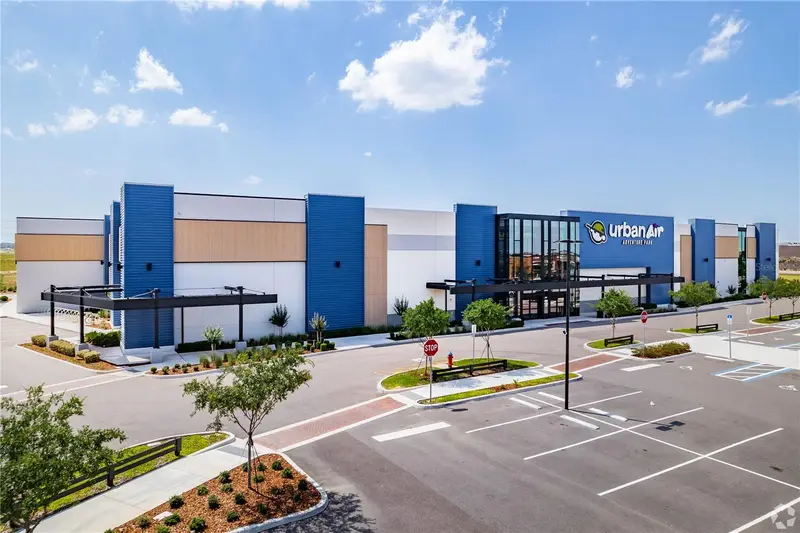
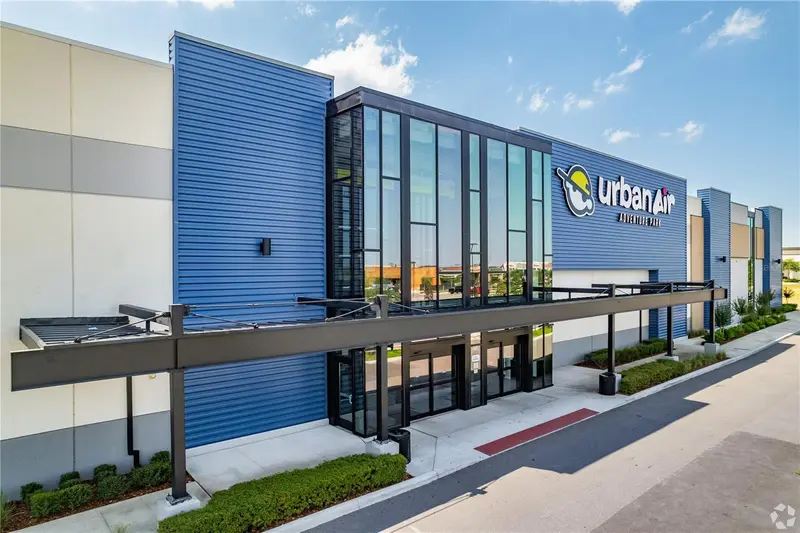

$18.90M
5758 Hamlin Groves Trl
Winter Garden, FL 34787
9.16 ac · Built 2023
Hamlin Southwest
MLS #O6386379, COLDWELL BANKER REALTY.
Listing provided by Stellar MLS
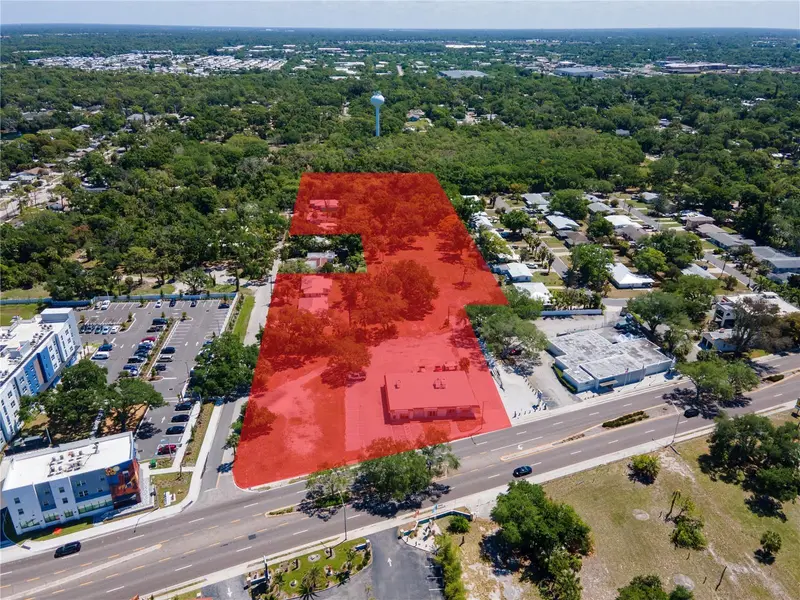
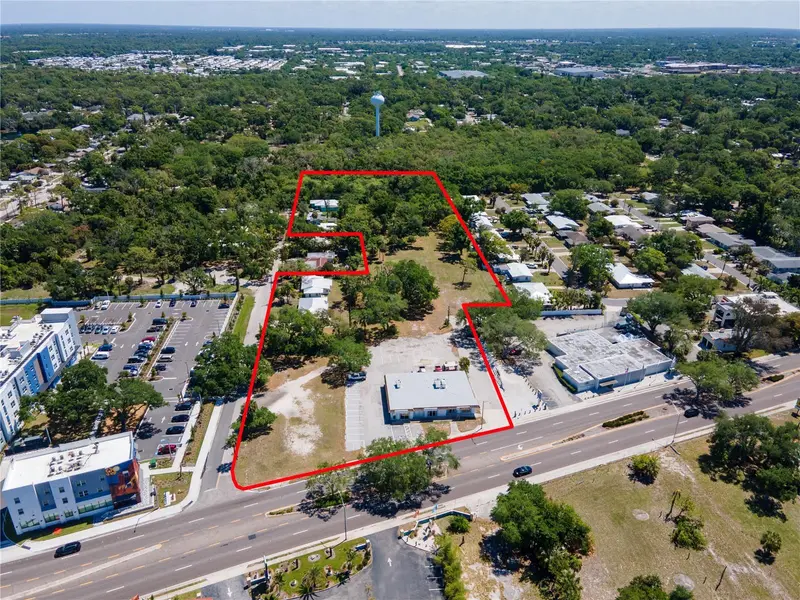
$14.00M
4500 N Tamiami Trl
Sarasota, FL 34234
4,714 SF · 0.55 ac · Built 1973
Phillips John Sub Rep Of
MLS #TB8489540, PEOPLE'S TRUST REALTY.
Listing provided by Stellar MLS
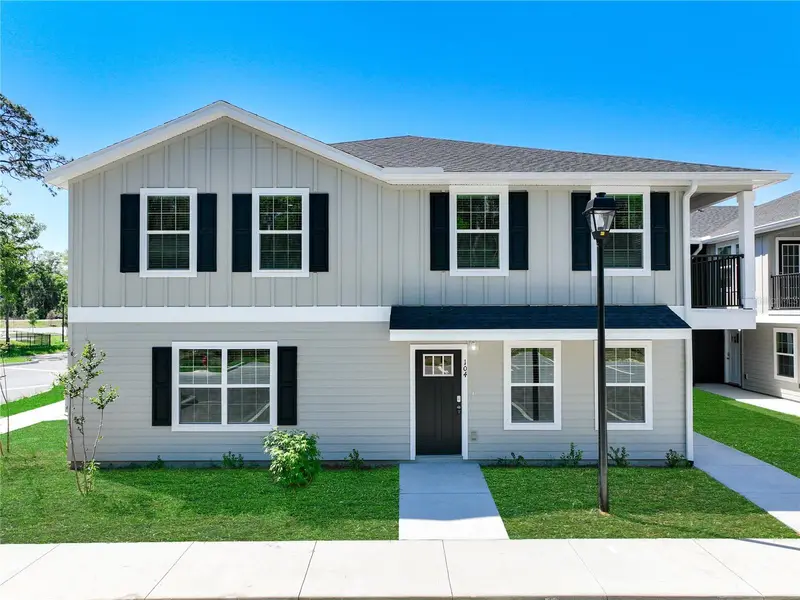
$12.50M
3821 Sw 43rd Ct
Ocala, FL 34474
7.07 ac · Built 2025
MLS #OM709317, SUNCOAST PROPERTY MANAGEMENT L.
Listing provided by Stellar MLS
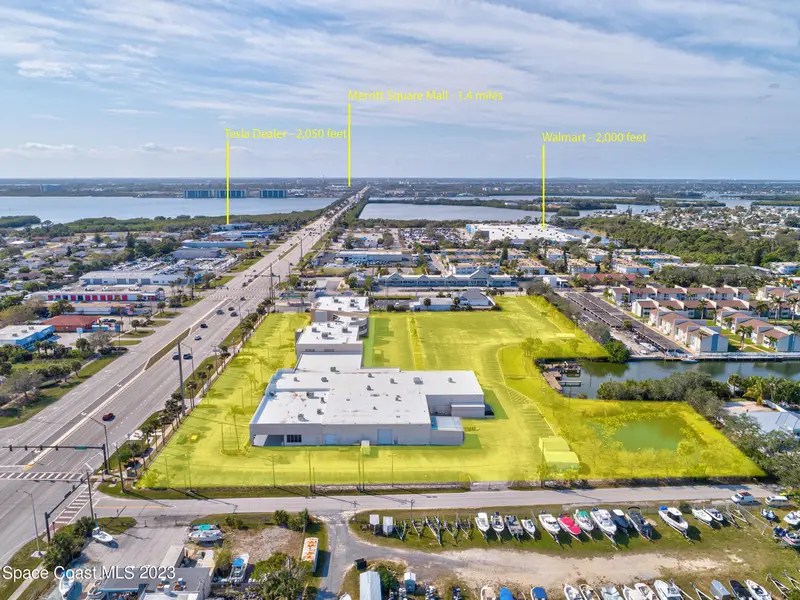
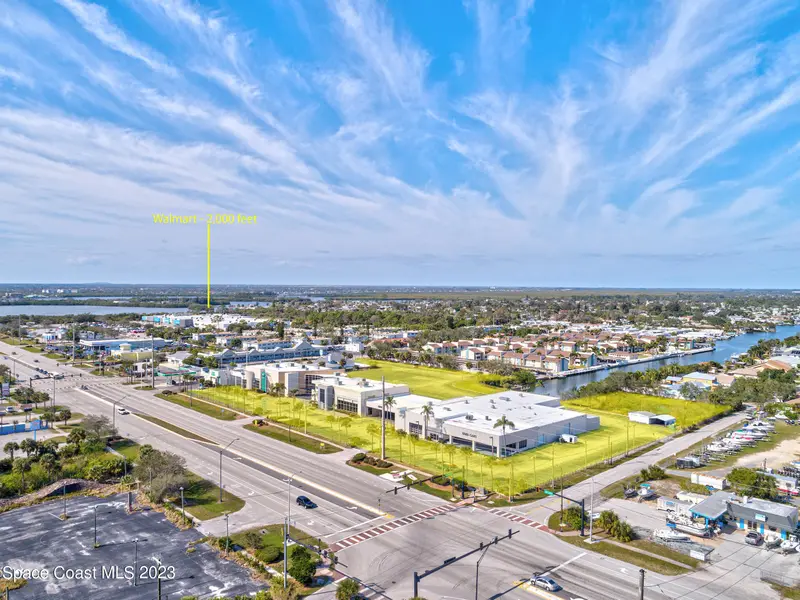
$10.00M
1850 E Merritt Island Causeway, Merritt Island, Fl 32952
Merritt Island, FL 32952
63,125 SF · 6.92 ac · Built 2003
MLS #975630, Perrone Realty, LLC.
Listing provided by Space Coast MLS (Space Coast Association of REALTORS®)
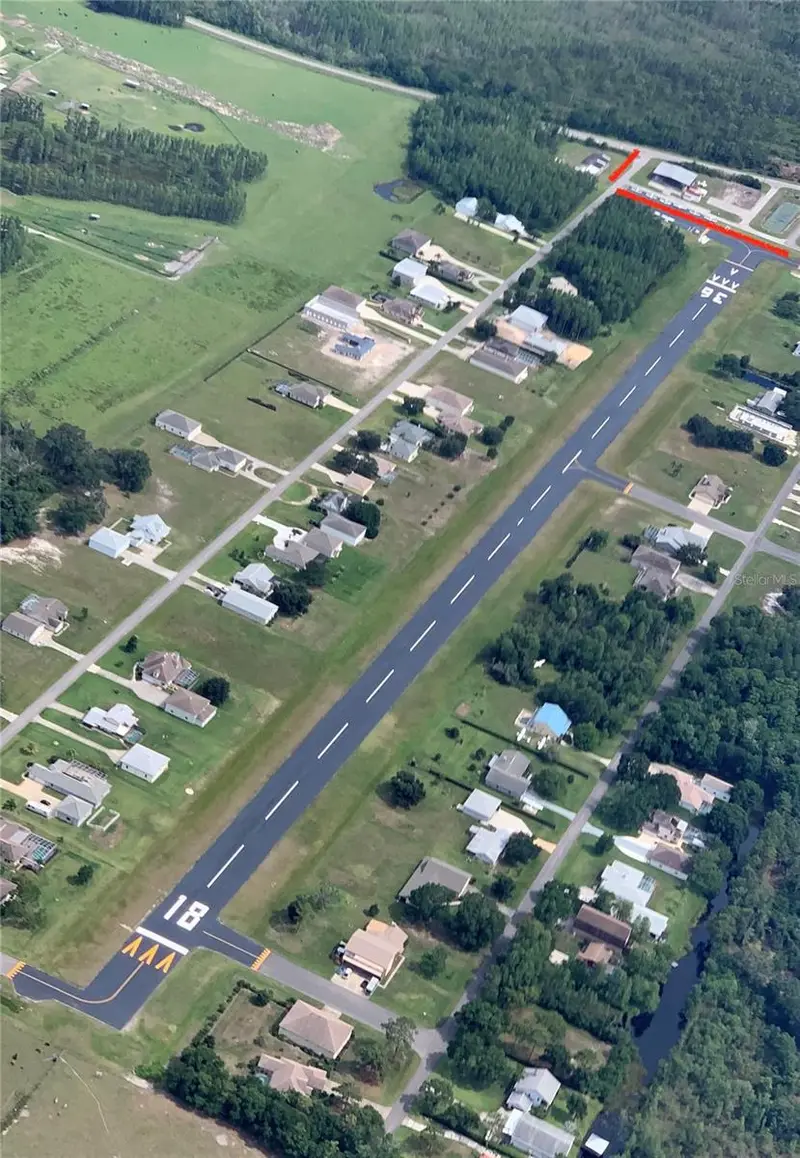

$9.90M
11500 Pilot Country Dr
Spring Hill, FL 34610
10,000 SF · 33.5 ac · Built 1998
Pilot Country Estates
MLS #TB8511456, BOB HATTON REALTY INC.
Listing provided by Stellar MLS
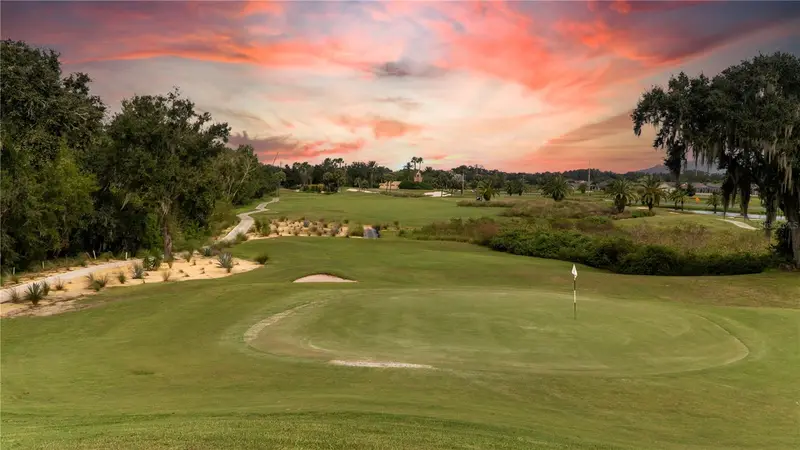
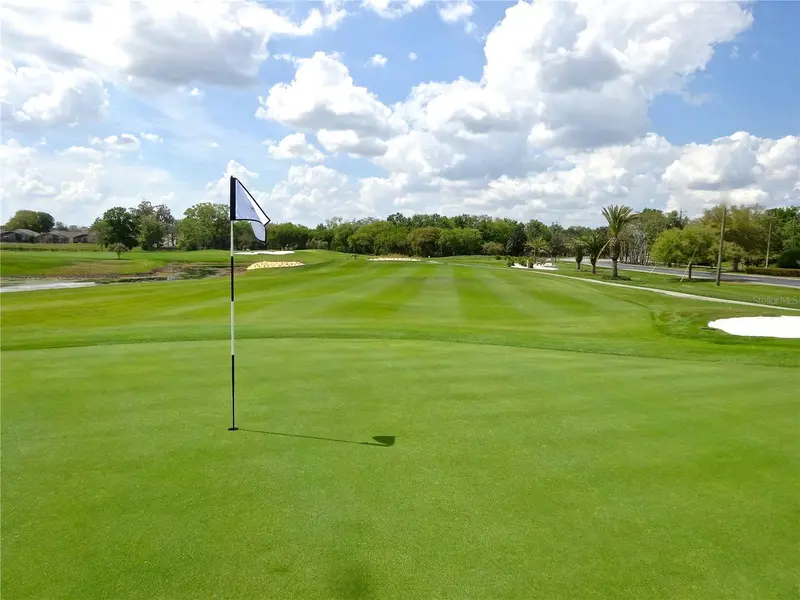
$8.72M
200 Eagle Ridge Dr
Davenport, FL 33837
3,784 SF · 202.72 ac · Built 1994
Ridgwood Lakes Village 3a
MLS #O6426961, AFFINITY REALTY LLC.
Listing provided by Stellar MLS
Listings courtesy of Stellar MLS as distributed by MLS GRID. Data deemed reliable but not guaranteed.
Browse Active Listings
Car Dealership Deals on Major CRE Marketplaces
Browse active car dealership listings across Florida and nationwide.
Crexi
Tech-forward CRE marketplace
Growing inventory of Florida special-purpose listings.
LoopNet
Largest CRE listings network
The biggest pool of specialty listings in Florida.
BizBuySell
Operating business listings
Business-for-sale listings for owner-operators.
Frequently Asked Questions
Car Dealership Investor FAQ
Common questions about investing in car dealership real estate in Florida.
What is a car dealership sale-leaseback?
A dealer sells their real estate to an investor and leases it back on a long-term NNN basis — typically 15–20 years. The dealer frees up capital for inventory and operations while the investor receives stable, credit-backed rental income. Most major dealer groups use sale-leasebacks as a core capital strategy.
What cap rates do car dealerships trade at in Florida?
Credit dealer group NNN leasebacks typically trade at 5.75% – 7.50% cap rates depending on franchise brand, dealer credit, lease term, and location. Trophy franchise locations on major auto corridors can trade below 6%. Independent used-car lots trade wider at 7.0% – 8.5%.
How does the EV transition affect dealership real estate?
Electric vehicles require less service (no oil changes, fewer brake jobs) which may reduce the service bay revenue component over time. However, EV charging infrastructure and battery service create new facility requirements. Most major OEMs are investing heavily in EV-ready facility upgrades.
What environmental risks exist with dealership properties?
Service bays, paint booths, parts cleaning, and underground fuel storage can create environmental liability. Phase I Environmental Site Assessments are mandatory, and Phase II testing is common for older facilities. Environmental insurance is often prudent for older service properties.
Are car dealership properties good 1031 exchange candidates?
Yes — dealership NNN leasebacks are popular 1031 replacement properties because they absorb large exchange amounts ($5M–$60M+) in a single transaction, offer long lease terms, and provide institutional tenant credit. The NNN structure also satisfies passive investor requirements.
Is This You?
Quick Fit Check
If you nod "yes" to three or more of these, car dealership real estate may be a fit for your portfolio.
You have $5M+ to deploy in a single transaction or 1031 exchange.
You want absolute NNN income with minimal landlord responsibilities.
You value institutional-grade tenant credit over maximum yield.
You're comfortable with purpose-built real estate that has limited reuse optionality.
You want long lease terms (15–20 years) with built-in rent escalations.
See Available Car Dealership Properties
Interested in car dealership properties in Florida? Tell us your investment criteria and we'll send you current opportunities.